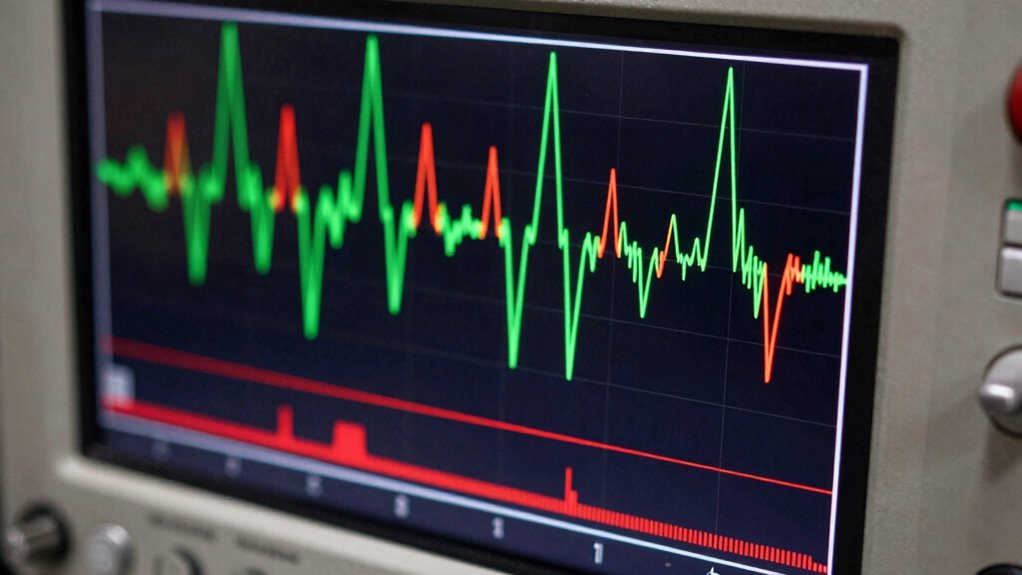
Keen understanding of oxygen sensor graph shapes can reveal underlying engine issues; discover how to interpret these signals to diagnose problems effectively.
Browsing Category
ride-tech
41 posts
Drive Cycle Basics: How Cars ‘Re‑Learn’ After Repairs
I nswering how your car re-learns its settings after repairs can help you ensure optimal performance and emissions compliance.
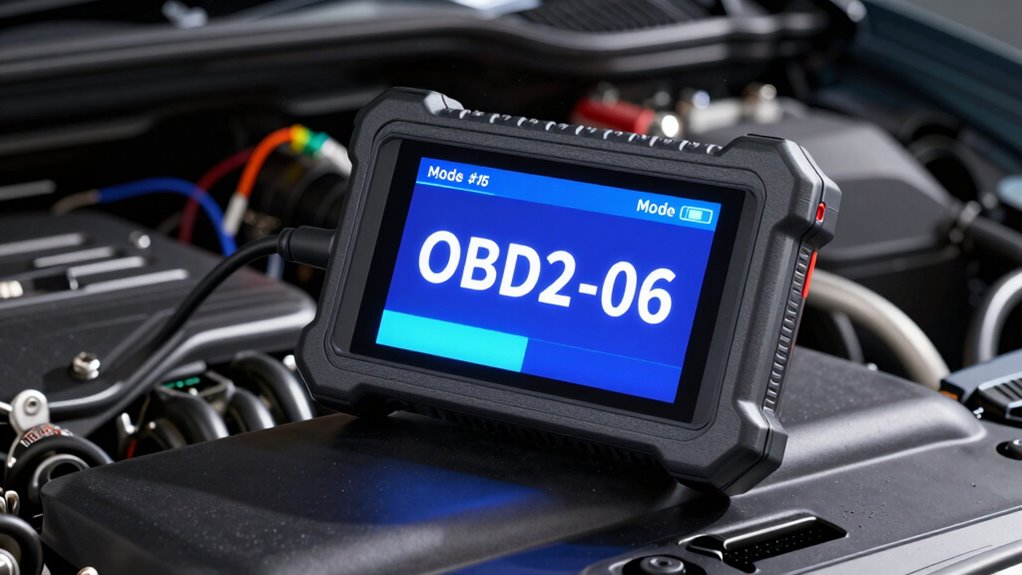
OBD2 Readiness Monitors Explained: Why a Cleared Code Can Still Fail a Test
Here’s how to understand why clearing codes may still cause your vehicle to fail an emissions test.
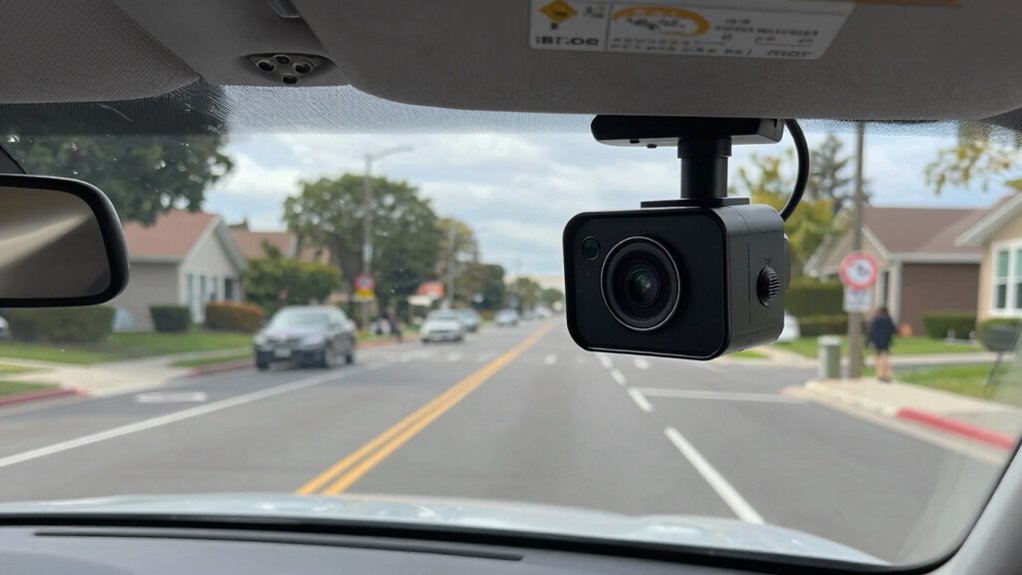
Dash Cam Parking Mode Drain: How to Calculate How Long You Can Record Safely
Parking mode drain calculations help ensure your dash cam records safely without risking your vehicle’s battery life; discover how to maximize your recording time.
Add‑A‑Fuse Orientation: The Tiny Installation Detail That Protects Your Circuit
Optimize your circuit protection by understanding the crucial orientation of Add-A-Fuse—discover how this small detail can prevent big problems.
Hardwire Fuse Selection: Which Fuses Are Safe to Tap (and Which Aren’t)
Opting for the right fuse is crucial for safety; discover which fuses are safe to tap into and which ones could pose risks.
Dash Cam Audio Basics: Fix Clipping, Muffled Sound, and Cabin Echo
Clear your dash cam audio issues with expert tips to fix clipping, muffling, and echo—discover how to enhance your sound quality today.
How to Read Dash Cam GPS Logs to Prove Speed and Location
How to read dash cam GPS logs to prove speed and location, unlocking crucial evidence for your case or records.
MicroSD Wear Leveling Explained (Why Full Cards Fail First)
Wear leveling ensures even data distribution in MicroSD cards, but when full, it struggles, causing some sectors to fail first—discover why this happens.
Microsd File Systems Explained: FAT32, Exfat, and Why It Matters in Cars
Getting the right MicroSD file system is crucial for seamless car device performance; discover which option suits your needs best.