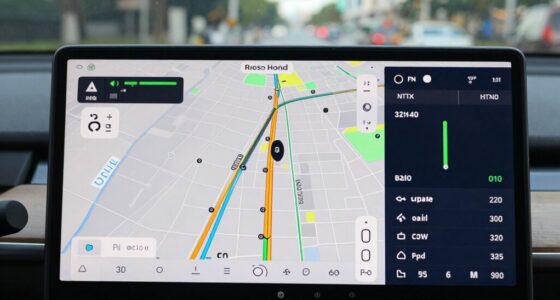
When you wear polarized sunglasses, they filter light based on its polarization, which reduces glare from surfaces like water or snow. However, digital screens also emit polarized light, often aligned differently than your glasses, causing the screens to appear darker or nearly invisible. This effect is normal and due to how polarized lenses block certain light waves. If you want to understand why this happens and how to manage it, keep exploring more details.

Get business pricing on garage and car supplies
- Business-only prices and quantity discounts
- Tax-exempt purchasing
- Multiple users, one account, clear invoices
Key Takeaways
- Polarized sunglasses filter horizontal light waves, which can block the polarized light emitted by digital screens.
- Screens emit polarized light in specific orientations, causing them to appear darker when viewed through polarized lenses.
- Adjusting the device angle or temporarily removing the glasses can improve screen visibility.
- The darkening effect is due to light filtering, not a device malfunction.
- This phenomenon is a natural consequence of glare reduction and UV protection provided by polarized sunglasses.
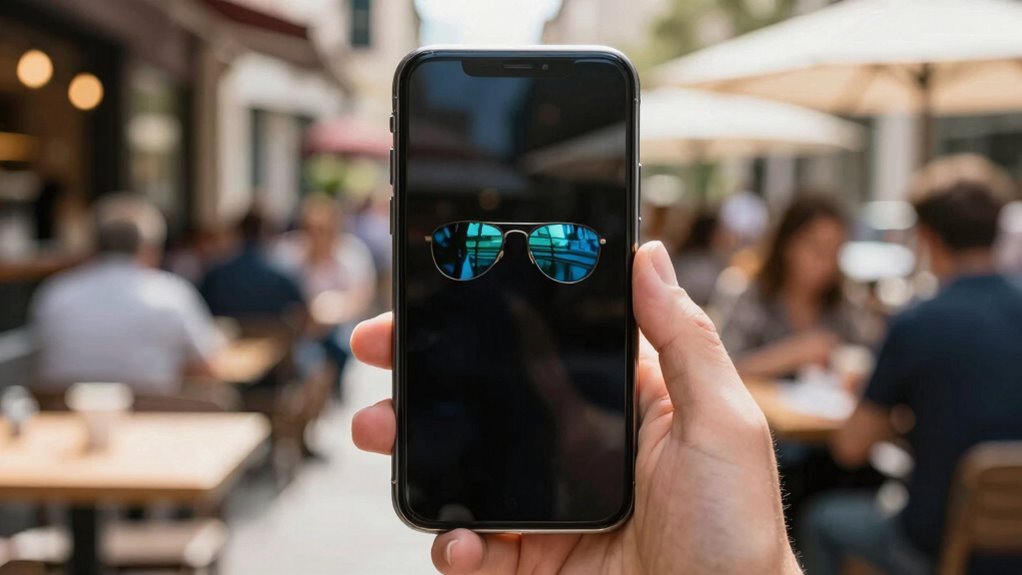
If you’ve ever put on polarized sunglasses and suddenly noticed your phone or computer screen dimming or turning dark, you’re not imagining it. This common experience happens because polarized lenses are designed to reduce glare caused by reflected light, which is often intense and blinding. When you look at screens through these glasses, they interfere with the light waves emitted by your device, leading to a darker appearance. It’s not a malfunction or a problem with your device; it’s a natural consequence of how polarized lenses work. These glasses block out reflected glare that bounces off surfaces like water, snow, or glass, giving you clearer vision outdoors. However, they can also interfere with the light from digital screens, which emit polarized light in a specific orientation.
Polarized sunglasses can make phone or computer screens appear dark due to light interference, not device issues.
Your phone or computer screen emits light that is partially polarized, and the way polarized sunglasses filter this light can cause the screen to appear dim or even black. This is especially noticeable when you’re trying to check your messages or work on your laptop under bright sunlight while wearing polarized glasses. The glasses block some of the light waves coming from the screen, creating a darkened or nearly invisible display. It’s a frustrating experience, but it’s rooted in the physics of light polarization and the purpose of polarized lenses—mainly to improve UV protection and reduce reflective glare from horizontal surfaces. Understanding light polarization can help you better manage how you view screens through polarized lenses.
This interplay between UV protection, glare reduction, and screen visibility is why your digital devices sometimes seem to vanish behind your polarized glasses. The glasses are doing their job by decreasing glare and protecting your eyes from UV rays, but this also means they’re filtering out some of the light that your screen emits. To avoid this, you might need to adjust the angle of your device or temporarily remove your sunglasses when viewing your screens. Additionally, understanding light polarization can help you better manage how you view screens through polarized lenses. Recognizing the light filtering process involved can help you anticipate and mitigate such viewing difficulties, especially in outdoor settings.
Being aware of polarized light and how it interacts with your devices allows you to make informed decisions to improve your viewing experience while still benefiting from the eye protection and glare reduction these glasses offer. Understanding this helps you recognize that the darkening isn’t a flaw but a trade-off for better eye protection and glare reduction outdoors.
Products Worth Considering

Autel MaxiCharger Level 2 EV Charger, 40A, 240V, Indoor/Outdoor, 25‑Foot Flexible Cable, NEMA 14‑50 Plug (White)

Milwaukee M18 FUEL 18V Lithium-Ion Brushless Cordless 1 in. Impact Wrench Extended Reach D-Handle Kit with Two 12.0 Ah Batteries

VIOFO A229 Plus 2K Front and Rear Dash Cam with Dual STARVIS 2 Sensors and HDR
As an affiliate, we earn on qualifying purchases.
Frequently Asked Questions
Can Polarized Sunglasses Cause Damage to Electronic Screens?
Polarized sunglasses don’t damage electronic screens; they simply block glare and reduce UV protection. When you look at screens through polarized lenses, the filters can cause the display to appear darker or show strange patterns, but it’s not damage. This effect happens because the lenses cut horizontal light waves, which are part of how screens emit light. So, rest assured, your electronics stay safe, and polarized shades help reduce eye strain.
Do All Screens Experience Darkness With Polarized Sunglasses?
Not all screens experience darkness with polarized sunglasses. LCD and LED screens with anti-glare coatings or light filtering features are more likely to appear darker or distorted because polarized lenses block certain light waves. However, screens like OLED or plasma displays may not be as affected. Your experience depends on the screen’s technology and whether it’s designed to reduce glare, which can interact differently with polarized filters.
How Can I Reduce Screen Darkening When Wearing Polarized Glasses?
To reduce screen darkening when wearing polarized glasses, consider choosing lenses with a lighter tint or adjustable tinting options. Look for sunglasses with enhanced UV protection that don’t overly darken your view. You can also try repositioning your glasses or adjusting the angle of your screen. These steps help balance protection and visibility, allowing you to enjoy clear screens without sacrificing the benefits of polarized lenses.
Are There Specific Brands of Polarized Sunglasses That Minimize Screen Issues?
You should look for polarized sunglasses from brands like Ray-Ban, Oakley, or Maui Jim, as they often incorporate advanced lens technology to reduce screen darkening. Comparing these brands’ fashion trends and features can help you find stylish options that minimize screen issues. Keep in mind that some newer models focus on screen compatibility, making them a smart choice for tech users. Always check reviews to verify they meet your needs.
Why Do Some Polarized Glasses Not Block Screen Visibility?
Some polarized glasses don’t block screen visibility because they have specialized lens coatings or UV protection that allow certain light waves to pass through. These coatings can reduce glare without fully filtering out the light from digital screens, making screens clearer. Additionally, different polarization technologies and lens materials influence how much light reaches your eyes, which is why some polarized sunglasses work better for screen visibility than others.
Conclusion
So, next time your screen suddenly darkens with polarized sunglasses, remember that patience is a virtue. It’s a reminder that sometimes, seeing clearly requires adjusting your perspective. Not everything is as it seems at first glance, and understanding the science behind it helps you navigate such moments more easily. Keep an open mind, and you’ll find that clarity often comes when you least expect it—just like the saying, “The darkest hour is just before the dawn.”