TL;DR

Get business pricing on garage and car supplies
- Business-only prices and quantity discounts
- Tax-exempt purchasing
- Multiple users, one account, clear invoices
The Drive’s Andrew P. Collins reports that a week testing the 2026 Volvo EX90 left him particularly impressed by its simplified seat-adjustment switch. One physical control handles basic seat movement, while a center button changes it to tilt and lumbar adjustments; Collins found the arrangement intuitive, unlike the EX90’s separate two-switch system for four windows.
After a week testing the 2026 Volvo EX90, The Drive’s Andrew P. Collins singled out its simplified seat-adjustment switch as a standout feature, saying the single physical control felt natural to use. His report contrasts that positive impression with the SUV’s two-switch arrangement for four power windows, which he found frustrating because it requires switching between front and rear windows.
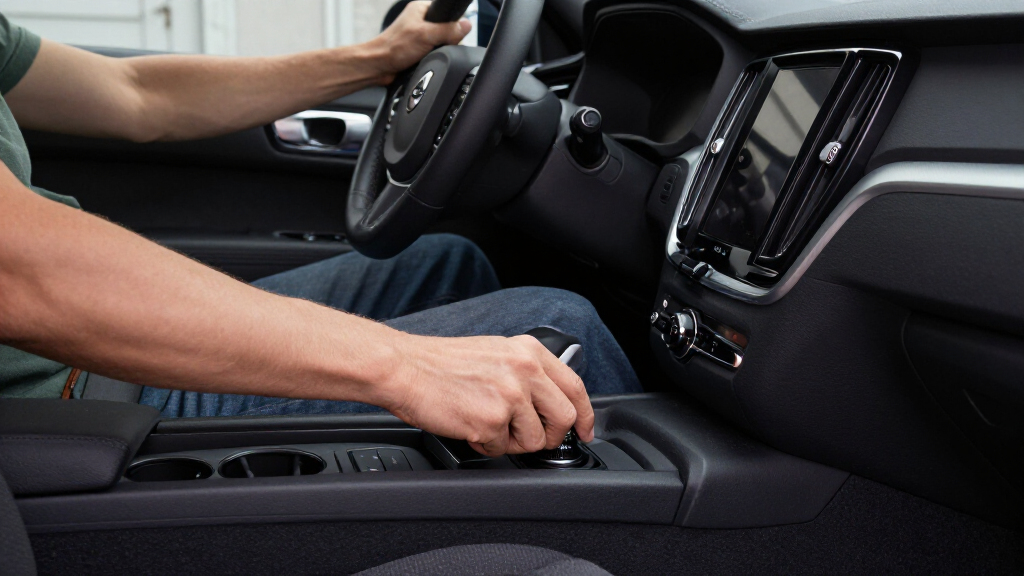
The EX90’s seat control combines functions that many cars assign to several separate buttons. According to Collins, moving the square switch up or down and forward or back adjusts the seat’s basic position. Pressing a button in the center changes the control’s role, allowing the driver to adjust seat tilt and lumbar support. If the vehicle is equipped with massage, related options appear on the main screen.
Collins writes that he has driven hundreds of cars and considers the EX90’s setup among the best seat controls he has used recently. He found the operation intuitive, despite the need to press the center button to change functions. He also suggested that a lower number of physical buttons might reflect manufacturing cost savings, but the report does not establish Volvo’s reason for the design.
The same general idea works less well for the EX90’s windows, in Collins’s assessment. The SUV has two window switches for four power windows, with a toggle that selects between the front and rear pair. He says this adds friction to a task he performs often. His assessment is a driver’s experience, not a broader usability study, and the supplied report does not include comments from Volvo about either control system.
Why Seat Controls Feel Different
The report highlights how a small cabin control can shape the everyday experience of a vehicle. Seat position is often adjusted occasionally and then left alone, so Collins found it practical to combine several functions in one switch. A control that is simple to understand and comfortable to use can matter more to a driver than the number of buttons on the panel.
Window controls present a different use case. Collins says he regularly raises and lowers the rear windows while driving with his dog, making the need to toggle between rows an additional step repeated during ordinary trips. His comparison suggests that reducing physical controls may work for one task but not another: frequency of use and the cost of changing modes affect whether consolidation feels convenient or cumbersome.
For shoppers evaluating the EX90, the distinction is a reminder that a clean-looking interface does not tell the whole story. The report offers a specific first-person impression of the controls, rather than evidence that all drivers will prefer the seat switch or object to the window setup. Buyers can use it as a prompt to try the controls in person and consider how often they adjust seats and windows.
Products Worth Considering

Innova ITX9900 Inversion Table with Air Lumbar Support, Black/Gray
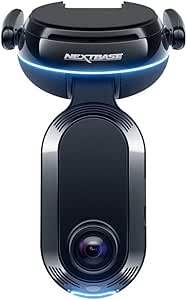
Nextbase iQ 4K Smart HD Dash Cam Pro with 64GB microSD Card – Front and Rear View, 1440p, Smart Sense Parking, Emergency SOS, Roadwatch AI

VIOFO A229 Plus Dual-Channel 2K Dash Cam with Front and Rear HDR
As an affiliate, we earn on qualifying purchases.
One Switch, Two Cabin Tasks
Volvo’s EX90 report puts two examples of consolidated controls side by side. For seats, one switch handles basic movement, then changes to tilt and lumbar functions when its center button is pressed. For windows, two switches serve four windows by changing which pair responds. The designs share a multiple-functions-per-control approach, but Collins’s response differs because the tasks are used at different frequencies.
In the report, Collins describes seat adjustment as a “set it and forget it” task. He says the windows are used more often on his rural drives, including to manage airflow for his dog. He also mentions testing Volvo’s original-equipment dog seatbelts, describing them as robust, but says that subject would be covered later. That detail is separate from his assessment of the seat and window switches.
Collins says the week-long EX90 test left him with mixed feelings about the vehicle overall. The supplied material does not give the broader review’s conclusions, pricing, equipment breakdown, or specifications, so those details cannot be assessed here. The control layout is the confirmed focus of this report, while the idea that it was designed to cut costs is Collins’s speculation.
““less is more””
— Andrew P. Collins, The Drive
What the Report Does Not Establish
The supplied material does not state why Volvo chose these control layouts. Collins raises cost reduction as a possibility, noting that fewer buttons could mean cheaper construction, but that is his interpretation rather than a confirmed explanation from the automaker. The report also does not include Volvo’s response or design rationale.
It is also unclear how other EX90 drivers experience the controls. Collins’s praise and criticism reflect his own week behind the wheel; no survey, comparative testing data, or findings from a wider group of users are provided. The material does not specify whether control behavior differs across trim levels, markets, or software versions, aside from noting that massage options appear on the screen if the vehicle is equipped for them.
Further EX90 Testing to Come
Collins said he had more to write about the EX90 after the week-long test, including his broader mixed impressions of the vehicle and the original-equipment dog seatbelts. The supplied report does not give a publication date for that follow-up or say when additional findings will appear. For now, its specific takeaway is his favorable assessment of the seat switch alongside his criticism of the window-control arrangement.
Readers considering the EX90 can check the vehicle’s controls during a test drive, particularly if they often adjust rear windows or share the car with other drivers. A hands-on check can show whether the mode-changing switches suit their routines; the report alone cannot establish how the setup will work for every owner.
Key Questions
What is different about the Volvo EX90’s seat-adjustment control?
According to The Drive’s Andrew P. Collins, one square physical switch adjusts basic seat position. Pressing its center button changes the functions to seat tilt and lumbar support; massage options appear on the screen in vehicles equipped with that feature.
Why did the reviewer like the seat switch?
Collins said the control felt natural and intuitive. He found the combined functions easier to use than a larger group of separate seat-adjustment buttons.
What was his criticism of the EX90’s window controls?
The vehicle has two switches for four power windows, and the user must toggle between front and rear pairs. Collins disliked the extra step because he says he raises and lowers windows frequently.
Did Volvo confirm that the controls were designed to cut costs?
No such explanation appears in the supplied report. Collins suggested fewer buttons might reduce construction costs, but this is his speculation, not a confirmed statement from Volvo.
Does the report show that EX90 drivers generally prefer the seat switch?
No. The report presents one reviewer’s experience during a week-long test. It does not include a survey or broader usability data showing how other drivers respond.
Source: thedrive.com