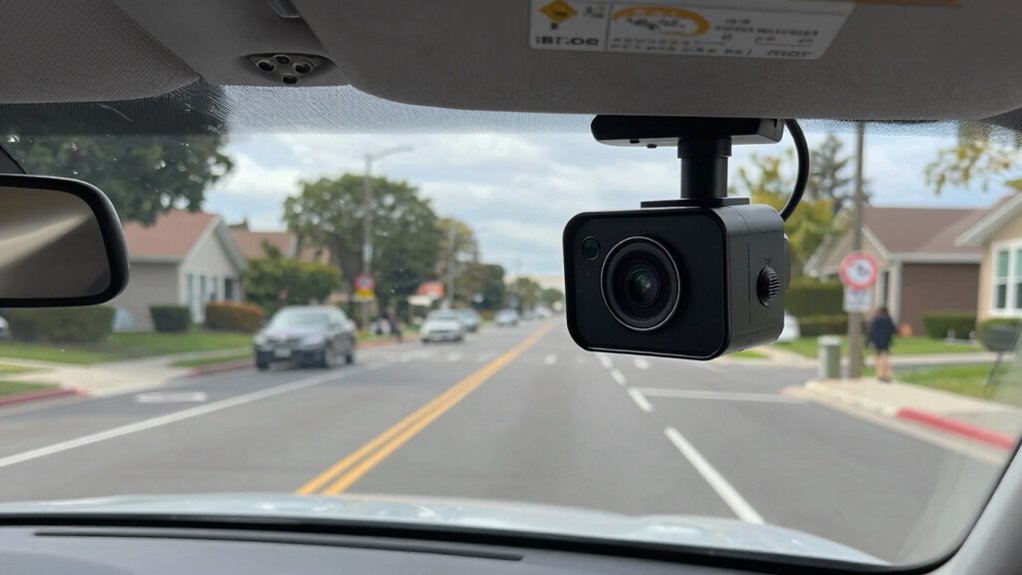

To stay legal with your dash cam, you need to understand your local laws on visibility, placement, and privacy. Position your camera behind the rearview mirror so it doesn’t block your view or distract you. Be aware of specific height or placement restrictions to avoid citations. Respect privacy by avoiding recordings of private property or conversations. Knowing these rules helps you use your dash cam safely and legally. Keep exploring for more tips to guarantee you’re fully compliant.

Get business pricing on garage and car supplies
- Business-only prices and quantity discounts
- Tax-exempt purchasing
- Multiple users, one account, clear invoices
Key Takeaways
- Check local laws regarding dash cam use, recording restrictions, and notification requirements to ensure legal compliance.
- Mount the dash cam behind the rearview mirror to avoid obstructing the driver’s view and follow height or placement restrictions.
- Position the camera to prevent distraction or interference with safe vehicle operation while maintaining clear footage.
- Respect privacy boundaries by avoiding recording private property, conversations, or areas where privacy is expected.
- Understand and adhere to regional regulations on recording audio, storing footage, and the visibility of the device.

If you’re considering installing a dash cam in your vehicle, it’s important to understand the basics of its legality. Knowing the rules about visibility, placement, and local regulations can help you avoid legal pitfalls and protect your privacy. Dash cams are fantastic tools for capturing evidence during accidents or disputes, but they also raise privacy concerns since they record everything around your vehicle. To stay compliant, you need to be aware of recording laws in your area, which vary from state to state or country to country. Some places have strict rules about audio recording, meaning you might need to inform others that they’re being recorded, especially if the dash cam captures sound alongside video. Ignoring these laws can lead to privacy violations and legal trouble, so research your local regulations carefully.
When it comes to visibility and placement, your goal should be to position the dash cam so it doesn’t obstruct your view of the road. Typically, placing it behind the rearview mirror is ideal because it keeps the camera discreet and prevents it from blocking your line of sight. You should avoid mounting the camera in a way that distracts you or impairs your ability to operate the vehicle safely. Also, verify that the camera lens is clean and unobstructed to record clear footage. Some jurisdictions have specific rules about how high or low the camera can be mounted, so double-check local laws to avoid fines or citations. Remember, the primary concern is safety—your dash cam shouldn’t interfere with your driving or violate any visibility regulations. Additionally, understanding local recording laws is essential to ensure your dash cam usage remains within legal boundaries.
Being aware of privacy boundaries and respecting personal spaces is equally important to prevent legal issues related to recording private areas. Local rules also dictate where you can and can’t record. While dash cams are generally legal, recording in certain areas like private property or places where people expect privacy—such as homes or bathrooms—can be problematic. These privacy concerns are particularly relevant if your camera captures footage beyond public roads or if it inadvertently records private conversations. To stay within the law, avoid mounting the camera where it might invade someone’s privacy or record beyond public spaces. Many regions also have rules about deleting or storing footage, especially if it contains sensitive information. You should familiarize yourself with these guidelines to maintain your dash cam use remains lawful. To sum up, understanding local recording laws and respecting privacy boundaries are essential steps to using your dash cam responsibly and legally.
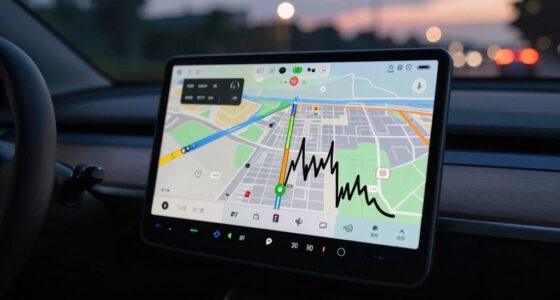
dash cam with discreet mounting behind rearview mirror
As an affiliate, we earn on qualifying purchases.
As an affiliate, we earn on qualifying purchases.
Frequently Asked Questions
Can I Use a Dash Cam for Recording Inside My Vehicle?
Yes, you can use a dash cam to record inside your vehicle, capturing interior footage. However, you should be mindful of privacy concerns, especially if passengers or others are in the vehicle. Make sure to inform passengers about the recording to avoid privacy issues. Check local laws to guarantee interior recording is legal in your area. Respect privacy rights while protecting yourself with evidence from interior footage.
Are There Specific Laws for Recording Audio With a Dash Cam?
Yes, there are specific laws for recording audio with a dash cam. You need to be aware of audio recording laws, which vary by state or country. Generally, you must obtain consent from all parties involved before recording conversations, especially in two-party consent states. Failing to adhere to these rules can lead to legal issues. Always check local laws to make certain you’re complying with consent requirements before recording audio inside your vehicle.
Do Different States Have Varying Dash Cam Regulations?
Yes, different states have varying dash cam regulations. You need to check state-specific regulations because privacy concerns often influence these laws, especially regarding recording audio and video. Some states require you to inform others that they’re being recorded, while others have stricter rules about where and how you can place your dash cam. Staying informed helps you avoid legal issues and guarantees you’re complying with local privacy laws.
Can I Legally Share Dash Cam Footage Online?
Sharing dash cam footage online is a bit like walking a tightrope—you need to balance transparency with privacy concerns. You can usually share footage if you own it and respect privacy rights, but be cautious of local laws and sensitive information. Always consider who’s in the video and whether you have their consent. Protect yourself by understanding footage ownership and avoiding sharing private or identifiable details without permission.
Are There Restrictions on Recording in Private Property?
Yes, recording on private property can be restricted due to privacy concerns and property restrictions. You generally need permission from property owners before filming, especially if your camera captures private areas or sensitive activities. Laws vary by location, so you should check local regulations. Respecting privacy rights is essential; avoid recording in spaces where people expect privacy, like homes or private offices, to stay within legal boundaries.
As an affiliate, we earn on qualifying purchases.
Conclusion
While dash cams are legal in many areas, the truth is that local laws and privacy rules can vary widely. It’s tempting to think you’re covered everywhere, but always double-check your state or city regulations before hitting record. The theory that dash cams are universally legal isn’t entirely true—you could unknowingly violate someone’s privacy or face legal issues. Stay informed, respect privacy, and use your dash cam responsibly to truly benefit from its protection.
high-definition vehicle dash camera
As an affiliate, we earn on qualifying purchases.
As an affiliate, we earn on qualifying purchases.
dash cam with night vision and wide-angle lens
As an affiliate, we earn on qualifying purchases.
As an affiliate, we earn on qualifying purchases.
Halloween Picks
halloween
As an affiliate, we earn on qualifying purchases.