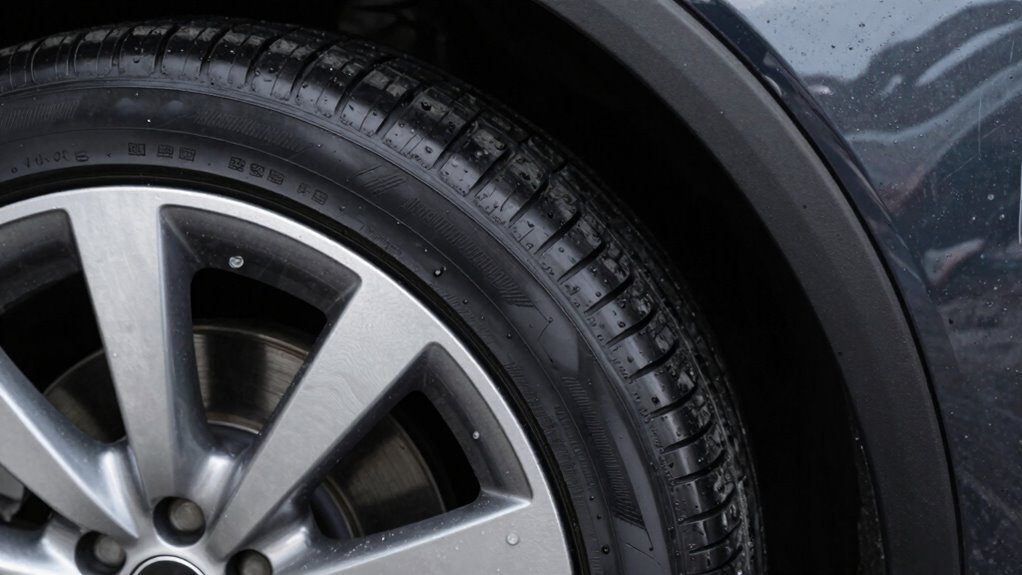

To prevent sidewall blowouts caused by low tire pressure, it’s vital to stay within safe speed limits for your tires. Underinflated tires generate excess heat and weaken the sidewalls, increasing the risk of failure at high speeds. Following the recommended tire pressure and speed guidelines helps avoid dangerous blowouts and keeps you safe on the road. Continuing forward will reveal more essential tips for maintaining your vehicle’s safety and performance.
Key Takeaways
- Proper tire pressure ensures compliance with safe speed limits, reducing the risk of sidewall blowouts.
- Driving on underinflated tires at high speeds increases heat buildup, leading to blowout hazards.
- Safety regulations recommend reducing speed when tire pressure is low to prevent tire failure.
- Regular tire maintenance helps maintain correct pressure, ensuring safe speeds and avoiding blowouts.
- Adhering to tire pressure and speed regulations enhances vehicle safety and prevents legal penalties.
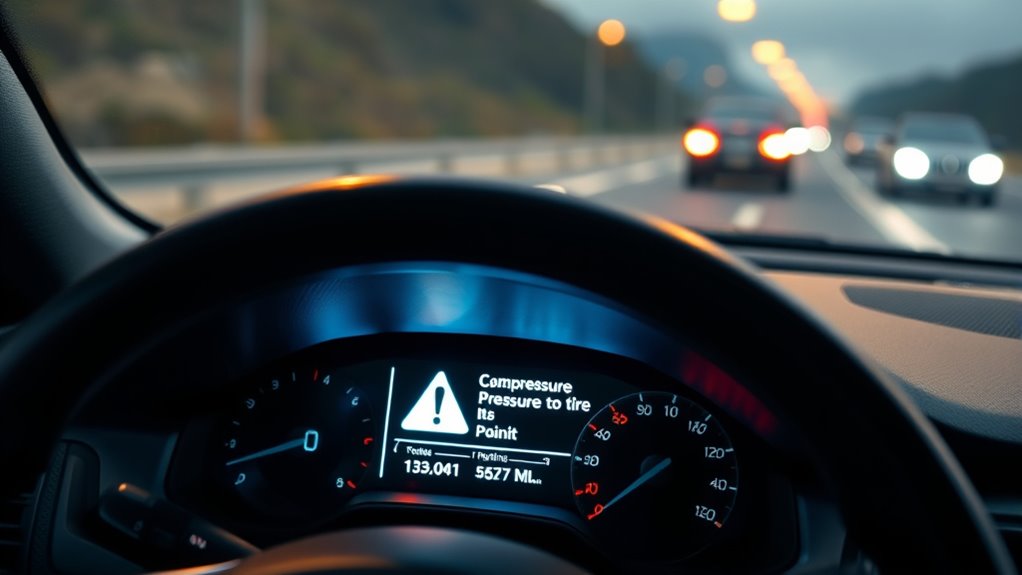
Driving with low tire pressure can markedly impact your vehicle’s safety and performance, but many drivers are unaware of how it affects speed limits. One key aspect often overlooked is the relationship between tire maintenance and safety regulations regarding how fast you should be driving. When your tires are underinflated, it compromises not just comfort but also the structural integrity of the sidewalls, increasing the risk of blowouts. To prevent this, many safety regulations recommend adhering to specific speed limits, especially when tire pressure isn’t ideal.
Proper tire maintenance is essential for ensuring your vehicle operates safely within the designated speed limits. Underinflated tires cause increased rolling resistance, which can lead to overheating and, ultimately, sidewall blowouts. These blowouts are dangerous, as they can cause sudden loss of control, especially at higher speeds. Most safety regulations suggest reducing your speed when driving on tires with low pressure because higher speeds exacerbate the risk of tire failure. Regularly checking and maintaining the correct tire pressure according to the manufacturer’s specifications is your best defense against these hazards.
It’s important to understand that tire pressure isn’t just about comfort or fuel efficiency; it’s directly related to safety regulations that govern safe driving practices. Many drivers neglect tire maintenance, assuming that as long as the tires look fine, they’re safe. However, tires can lose pressure gradually over time, even without noticeable visual signs. That’s why routine checks are essential. By keeping your tires properly inflated, you help ensure they stay within the recommended speed limits, reducing the risk of blowouts and accidents. Additionally, maintaining proper tire pressure can help prevent sidewall blowouts caused by heat buildup and structural failure, further enhancing your safety.
Furthermore, adhering to safety regulations concerning tire pressure and speed limits helps you avoid fines and penalties. Many jurisdictions enforce laws that require drivers to maintain their tires and drive within safe speed ranges, especially for commercial vehicles. Ignoring these regulations not only endangers your life but also puts others at risk. Staying informed about the proper tire maintenance routines and respecting speed limits related to tire health can make all the difference in preventing dangerous sidewall blowouts. It’s a simple yet critical step in ensuring your safety on the road.
Frequently Asked Questions
How Do I Check My Tire Pressure Accurately?
To check your tire pressure accurately, first make certain your tires are cold, ideally before driving. Use a reliable tire pressure sensor or a manual gauge to get a precise reading. Remove the valve cap, press the gauge firmly onto the valve stem, and note the pressure. If needed, adjust the tire inflation using proper techniques—adding or releasing air—then recheck to confirm it matches your vehicle’s recommended PSI.
What Are Signs of a Low-Pressure Tire?
Think of your tire as a heartbeat; if it’s low, signs are clear. You might notice uneven tire wear or a tire that feels softer when you press it. A damaged or loose valve stem can also be a clue. Always check your tire pressure regularly with a gauge, especially if you see these signs, to prevent further issues. Stay alert, and your tires will thank you.
Can I Drive Long Distances With Low Tire Pressure?
You can drive long distances with low tire pressure, but it’s not advisable. Poor tire inflation affects pressure maintenance, leading to increased wear and risk of blowouts. Driving with underinflated tires reduces fuel efficiency and can cause handling issues. To stay safe and prolong tire life, check your pressure regularly and inflate to the recommended levels. Proper pressure maintenance ensures safer, more efficient driving over long distances.
How Often Should I Monitor My Tire Pressure?
You should monitor your tire pressure at least once a month and before long trips to guarantee proper tire maintenance. Always follow the pressure guidelines provided by your vehicle’s manufacturer, typically found in the owner’s manual or on the driver’s side door frame. Regularly checking your tires helps prevent blowouts and maintains safe driving conditions, especially if temperatures fluctuate, which can affect tire pressure.
Are There Specific Speed Limits for Different Vehicle Types?
For different vehicle types, speed limits often vary based on vehicle weight and tire temperature. For example, a heavy truck might have a lower speed limit when carrying a full load to prevent tire failure, especially if tires heat up quickly. Always check your vehicle’s manual or signage, as exceeding recommended speeds can lead to tire blowouts or accidents, particularly if your tires are underinflated or overheating.
Conclusion
Remember, maintaining proper tire pressure is like tending to a fragile balance—too low, and you risk a blowout; too high, and you lose control. Think of your speed limit as the steady heartbeat that keeps your journey safe, symbolizing harmony between caution and confidence. Stay vigilant, respect the limits, and treat your tires like the crucial organs of your vehicle. When you do, you guarantee your road ahead remains smooth and secure.