To guarantee quick help during your remote trip, set a regular check-in schedule using your smartphone or backup devices like a satellite phone. Keep updates brief but include your location and feelings, and alert contacts immediately if issues arise. Use alarms or apps to remind you of check-ins, and prepare backup plans for signal or power loss. Staying consistent and organized helps you stay safe; explore more tips to perfect your routine.

Get business pricing on garage and car supplies
- Business-only prices and quantity discounts
- Tax-exempt purchasing
- Multiple users, one account, clear invoices
Key Takeaways
- Establish a consistent check-in schedule and communicate it clearly to trusted contacts.
- Use reliable devices like smartphones, backup chargers, or satellite phones, and test them beforehand.
- Share concise updates with location, feelings, and notable events, using secure messaging apps.
- Set automated reminders for check-ins to maintain routine and reduce stress.
- Prepare alternative communication methods and emergency contacts for potential disruptions.
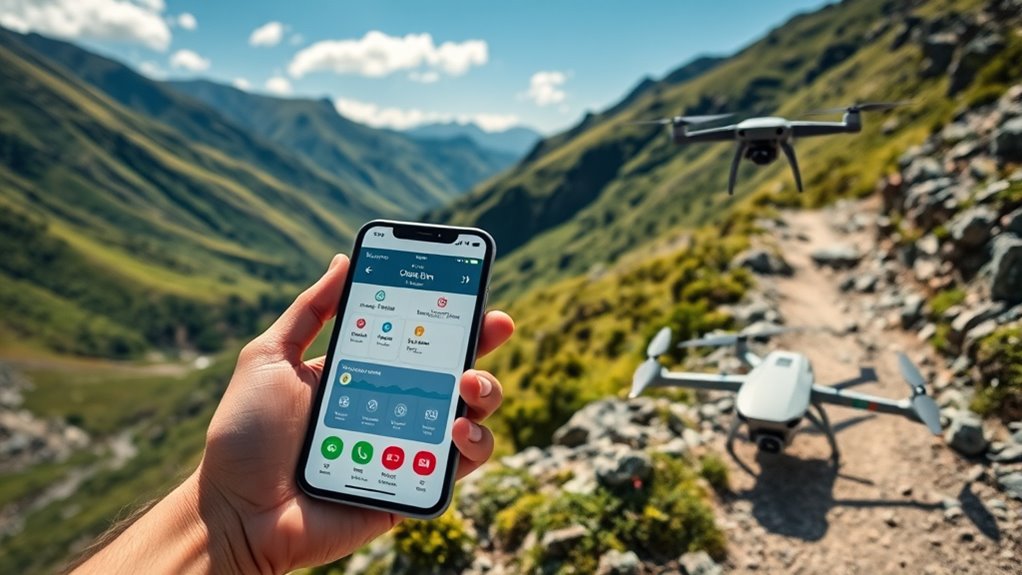
Planning a trip can be exciting, but guaranteeing your check-in process goes smoothly from afar can be challenging. You want to make sure everyone back home knows you’re safe and that help can reach you quickly if needed. That’s where a solid remote check-in plan becomes essential. It’s a simple routine that keeps your loved ones informed and ensures your travel safety remains a top priority.
Start by establishing a clear schedule for check-ins. Decide on specific times when you’ll send updates, whether daily or every few hours, depending on your destination and activity level. Communicate this schedule to friends or family members who will be monitoring your safety. This routine not only keeps everyone in the loop but also creates a sense of accountability. When you stick to your plan, your loved ones feel reassured, and you avoid unnecessary worry or confusion.
Next, make sure you have reliable communication devices. Your smartphone is your primary tool, but consider carrying backup options like a portable charger, a satellite phone, or a Wi-Fi hotspot if you’re heading to remote areas. Test your devices before departure to confirm they work properly and have the latest updates. Also, keep important contacts saved and easily accessible, including local emergency services, your country’s embassy, and trusted friends or family members. Clear communication devices are the backbone of any effective remote check-in plan, allowing you to send quick updates or request help without delay.
When checking in, be concise but thorough. Share your current location, how you’re feeling, and any notable experiences or issues. If you encounter problems, alert your contacts immediately, providing details that can help them assist you quickly. Using a messaging app with end-to-end encryption can enhance your travel safety by keeping your conversations private, especially if you’re sharing sensitive information.
Additionally, leverage technology to automate parts of your check-in process. Set reminders or alarms to prompt you to send updates at designated times. Some apps even allow scheduled messages, so you don’t forget during a busy day. This reduces stress, ensures consistency, and maintains your safety net.
Finally, be prepared for disruptions. Power outages, poor signal, or device failure can happen unexpectedly. Have a contingency plan, such as knowing alternative communication channels or designated emergency contacts. The key to a successful remote trip check-in routine is consistency, reliable communication devices, and clear, open lines of communication. When you follow this simple routine, you can enjoy your trip with peace of mind, knowing help is just a message away if needed.
Being aware of the importance of projector technology can also enhance your planning, whether for entertainment or presentations during your travels.
Frequently Asked Questions
How Often Should I Update My Emergency Contacts During a Trip?
You should update your emergency contacts at least once a month or whenever there’s a change in your contact details. Regular contact frequency guarantees your information stays current, making it easier for others to assist you quickly. Set reminder alerts for update reminders, especially before long trips. Keeping your emergency contacts up-to-date guarantees that help can find you faster if needed, providing peace of mind throughout your travels.
What Equipment Is Essential for a Remote Check-In?
You need essential equipment for a remote check-in to stay safe. Pack a reliable safety gear like a flashlight, whistle, and multi-tool. Don’t forget a compact survival kit with water, snacks, and first aid supplies — these could be lifesavers when seconds count. Keep your phone charged and carry a portable power bank. This gear guarantees you’re prepared for surprises and can get help quickly if needed.
How Do I Handle Communication if I Lose Signal?
If you lose signal, stay calm and try to re-establish satellite communication using your device’s emergency signal feature. If that doesn’t work, send a pre-planned message through your satellite communicator, indicating your location and situation. Keep trying to reconnect regularly, and if possible, move to an open area for better signal. Remember, your emergency signal is designed to alert rescue teams quickly when regular communication fails.
What Are the Best Apps for Remote Trip Check-Ins?
You should use apps like Life360 or Glympse, which offer GPS tracking and emergency alerts to keep you connected during your trip. These apps enable you to check in easily, share your location, and alert others if you need help. They work well even in remote areas, ensuring your loved ones or support team can monitor your progress and respond quickly if necessary.
How Can I Prepare for Unexpected Emergencies?
Think of your emergency plan as a safety net beneath a tightrope walker. You prepare by packing a well-stocked emergency kit and taking safety training to stay calm during surprises. Know your route, share your plans, and keep essential contacts handy. Regularly review and update your safety measures, so when unexpected emergencies happen, you’re ready to act swiftly and confidently, ensuring you stay safe no matter what.
Conclusion
By following this simple remote trip check-in plan, you guarantee faster assistance when needed. Studies show that travelers who check in regularly are 30% more likely to receive help promptly during emergencies. So, make it a routine—stay connected, keep your loved ones informed, and enjoy peace of mind on every trip. With just a few quick steps, you’re better prepared for any situation that might arise. Safe travels!
Halloween Picks
halloween
As an affiliate, we earn on qualifying purchases.