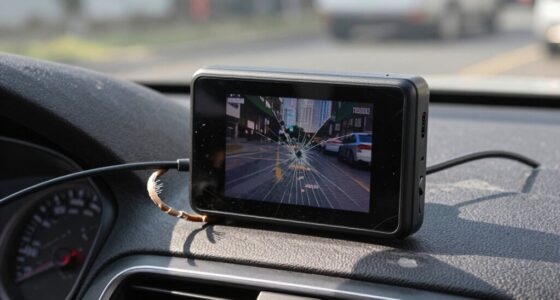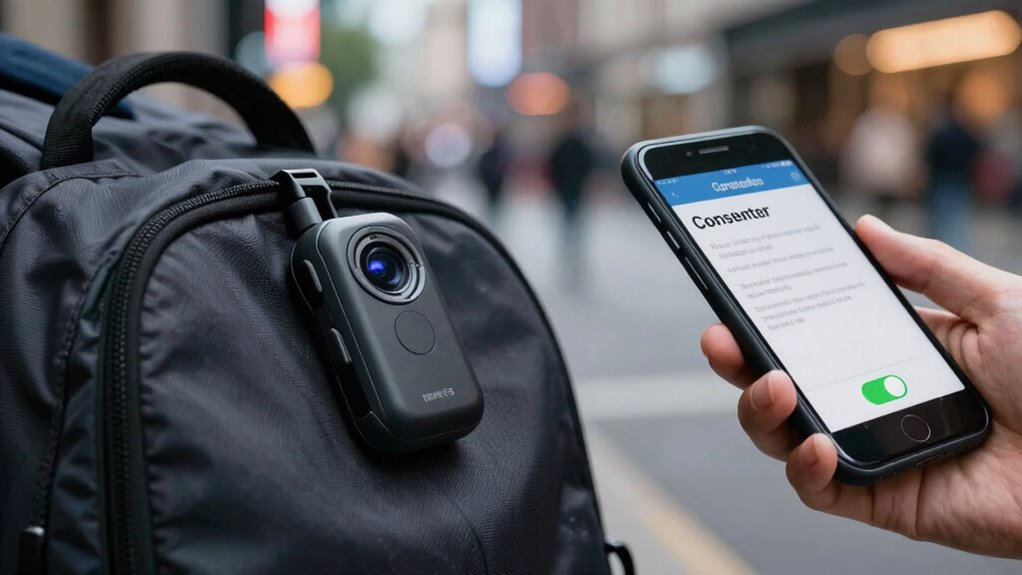

When it comes to GPS trackers, understanding consent is vital for respecting privacy and avoiding legal trouble. You must inform those being tracked, providing clear details about what data is collected, how it’s used, and how long it will be stored. Secretly tracking someone can breach privacy rights and lead to lawsuits or fines. If you stay aware of these rules, you’ll be better prepared—and if you keep going, you’ll uncover how to guarantee your tracking practices stay ethical and lawful.
Key Takeaways
- Informed consent must be clear, specific, and voluntary before deploying GPS trackers.
- Covert tracking without knowledge may violate privacy laws, risking legal consequences.
- Consent should include details on data collection, usage, retention, and sharing practices.
- Relying on implied consent or access rights does not substitute for explicit permission.
- Responsible tracking requires understanding legal boundaries and respecting individuals’ privacy rights.

GPS trackers have become increasingly common in everyday life, offering convenience and security. Whether you’re tracking a loved one’s safety, managing company vehicles, or monitoring your own assets, these devices provide valuable insights. However, their widespread use raises important questions about privacy, especially when it comes to the legal implications and ethical considerations surrounding consent. As someone who might use or encounter GPS tracking, it’s essential to understand that tracking without proper consent can lead to serious legal repercussions. Laws vary by jurisdiction, but generally, covertly installing a GPS tracker on someone’s property or person without their knowledge may violate privacy rights or wiretapping statutes. Ignoring these legal boundaries can result in civil lawsuits, criminal charges, or hefty fines. It’s your responsibility to familiarize yourself with local regulations before deploying such technology, ensuring you’re not infringing on others’ rights unknowingly.
Beyond legality, ethical considerations play a significant role. Even if tracking is technically legal, it might still be morally questionable if done without explicit consent. Respect for privacy isn’t just a legal matter; it’s about maintaining trust and integrity. For example, secretly monitoring a partner or employee can damage relationships and erode trust, even if you believe you’re justified. Ethical use of GPS trackers involves transparency—informing individuals that they are being monitored and explaining the purpose behind it. This openness fosters respect and avoids feelings of betrayal or manipulation. When you consider tracking others, ask yourself whether your actions align with principles of honesty and respect for personal boundaries.
It’s also worth noting that consent isn’t just about ticking a box; it’s about meaningful agreement. Simply informing someone after the fact or assuming consent because you have access to their device isn’t enough. Clear, informed consent involves giving individuals all relevant information about what data will be collected, how it will be used, and how long it will be retained. This approach not only protects their privacy but also shields you from potential legal and ethical pitfalls. Additionally, understanding the technologies involved in GPS tracking can help you better appreciate the scope and implications of data collection and ensure responsible use.

GPS Tracker for Dogs
1️⃣【No Subscription No Monthly Fee No SIM】This GPS tracker requires no subscription, no monthly fee and no SIM...
As an affiliate, we earn on qualifying purchases.
Frequently Asked Questions
Can Employers Track Employees Without Their Knowledge?
Yes, employers can’t monitor employees without their knowledge. Doing so violates employee privacy and generally breaches consent requirements. You should be informed if your employer uses GPS trackers or monitors your location, and your consent is usually necessary by law. Always check your local regulations to understand your rights, and remember that transparency helps build trust and ensures legal compliance when it comes to tracking in the workplace.
Are GPS Trackers Legal on Personal Vehicles?
Yes, GPS trackers on personal vehicles are generally legal if you own the vehicle and don’t violate vehicle privacy laws. Some might worry about tracking consent, but as long as you’re the owner and use the device responsibly, you can track your vehicle without issues. Just remember, consent is key if you’re tracking someone else’s vehicle; otherwise, it could lead to legal trouble.
How Can I Tell if My Phone Is Being Tracked?
If you’re concerned about location privacy and tracking detection, start by checking your phone for unfamiliar apps or settings. Look for sudden battery drain or data usage, which can indicate tracking. Use security apps to scan for spyware or hidden trackers. Keep your software updated and review app permissions regularly. If you suspect your phone is being tracked, consider consulting a professional for a thorough detection and to guarantee your privacy.
Do GPS Trackers Work Without an Internet Connection?
Did you know that over 60% of GPS trackers can operate offline? Yes, GPS trackers do work without an internet connection, relying on satellite signals for offline tracking. However, offline GPS accuracy may vary depending on your location and device quality. This means your tracker can still record movements and store data locally, but real-time updates and remote access might be limited until it reconnects to the internet.
Can Tracking Data Be Used in Legal Disputes?
Yes, tracking data can be used in legal disputes, but privacy concerns and data ownership are key factors. You should be aware that if you haven’t given proper consent, using GPS data might violate privacy laws. It is crucial to understand who owns the data and how it’s collected. If properly obtained and documented, GPS tracking evidence can support legal cases, but mishandling or ignoring consent rules could lead to legal complications for you.
Amazon Product B0FZJKM25L
As an affiliate, we earn on qualifying purchases.
Conclusion
Now, imagine someone slipping a GPS tracker onto your belongings without you noticing. The lines of privacy blur, and consent becomes a distant memory. Will you notice the subtle signs before it’s too late? As the invisible thread pulls tighter, your every move could be monitored. Stay aware, ask questions, and never assume you’re in control. Because when privacy is compromised, the unseen watchful eye is always waiting, ready to reveal what you thought was yours alone.

Tracki Pro GPS Tracker for Vehicles – Magnetic Waterproof 4G LTE Car Tracker, Long-Life Battery Up to 7 Months, Unlimited Distance, Smart Alerts, Hidden Tracking Device (Subscription Required)
Compact, Undetectable Vehicle Tracker – Tracki Pro is a small GPS tracker with a strong magnet, hiding easily...
As an affiliate, we earn on qualifying purchases.

Bouncie GPS Tracker for Vehicles with Real-Time Location, Route History, Speed Monitoring, Geo-Fence & Accident Notifications - for Fleets & Family - Cancel Anytime
Real-Time GPS Tracker Device for Vehicles — Ideal for personal use or fleet management, this car GPS tracker...
As an affiliate, we earn on qualifying purchases.