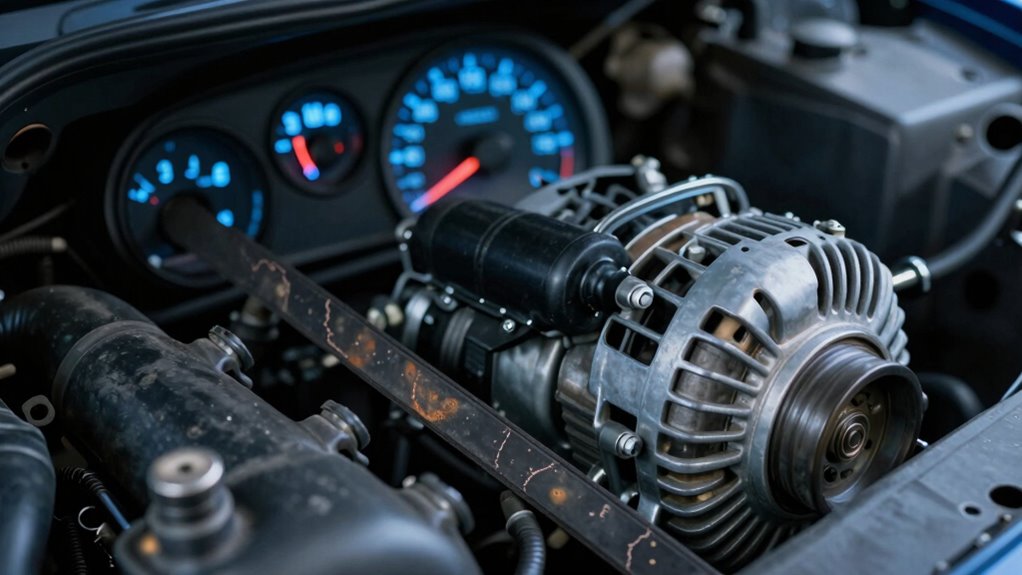

If your car won’t start or cranks slowly, there are three clues to identify the problem. First, check if the engine doesn’t turn over at all—this often points to a dead or weak battery. Second, listen for clicking sounds or grinding noises, which suggest a faulty starter. Finally, notice if the dashboard lights flicker or dim—these can also indicate electrical issues. Keep going, and you’ll discover how to distinguish between these common causes with confidence.
Key Takeaways
- No-crank symptoms often indicate a dead or faulty battery, especially if dashboard lights are dim or flickering.
- Slow-crank issues may be caused by a failing starter motor or poor electrical connections.
- Listening for clicking sounds during startup suggests a weak battery or failing starter solenoid.
- Corroded or loose wiring on the battery or starter can mimic no- or slow-crank problems.
- Proper testing with a voltmeter or mechanic inspection helps distinguish between battery and starter failures.
Have you ever turned the key and experienced difficulty starting your vehicle, or does the engine respond sluggishly when you turn the ignition? These are common signs that something’s off with your car’s starting system. One of the first things to ponder is whether you’re dealing with battery issues or a faulty starter motor. Both can cause no-crank or slow-crank symptoms, but understanding the difference can help you diagnose the problem faster.
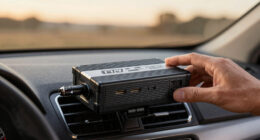
If your engine doesn’t turn over at all when you turn the key, it’s often a sign of a dead or weak battery. Batteries can die over time due to age, extreme temperatures, or leaving lights on. When the battery isn’t providing enough power, the starter motor can’t receive the necessary energy to spin the engine. You might notice the dashboard lights dimming or flickering before the engine fails to start. Sometimes, you’ll hear a clicking sound, which is the starter motor trying to engage but not getting enough voltage to operate fully. In this case, jump-starting your car or replacing the battery might resolve the issue. However, if the battery is relatively new and fully charged, the problem could lie elsewhere.
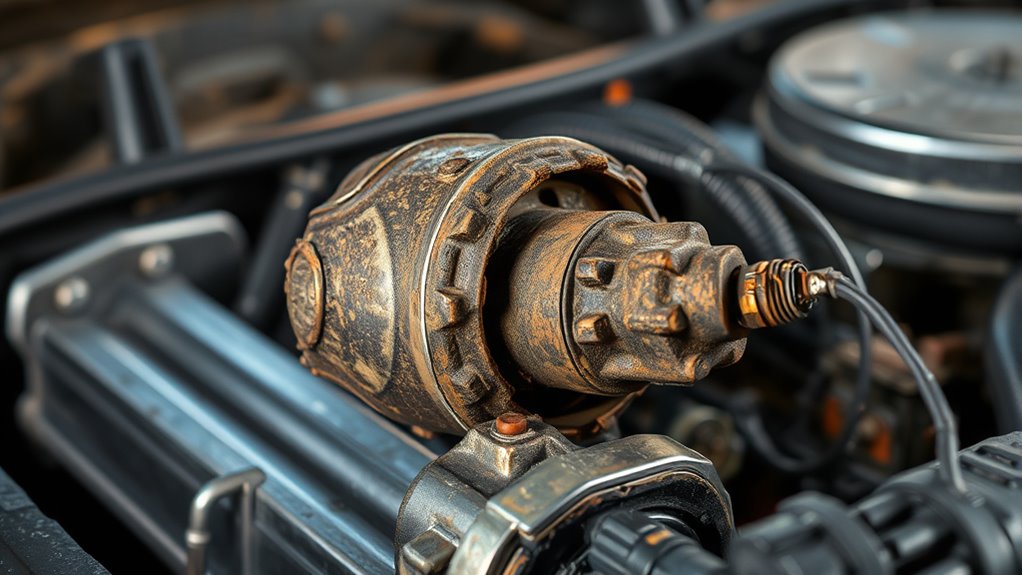
The starter motor itself can also be at fault. It’s an essential component that converts electrical energy into mechanical motion to turn over the engine. If the starter motor is worn out or has a bad solenoid, it may fail to engage altogether, resulting in a no-crank situation. Sometimes, you might hear a grinding noise or a single click when turning the key, indicating the starter is trying but can’t complete the job. In slow-crank scenarios, the starter motor might be struggling due to internal wear or electrical issues, causing the engine to turn over very slowly or unevenly. This often points to a failing starter or poor electrical connections.
Corrosion on the battery terminals or loose wiring can also mimic these symptoms. Ensuring all connections are clean and tight can sometimes fix the problem without further repairs. Additionally, understanding the role of the starter motor as an electrical component that relies on proper connections can help in troubleshooting. If you’ve ruled out the battery and wiring, testing the starter motor with a voltmeter or having it inspected by a mechanic can confirm whether it’s the culprit. Remember, both battery issues and a failing starter motor can cause similar symptoms, but their solutions differ. Addressing these early can save you from being stranded, so pay attention to how your vehicle responds when you turn the key, and don’t hesitate to seek professional help if needed.
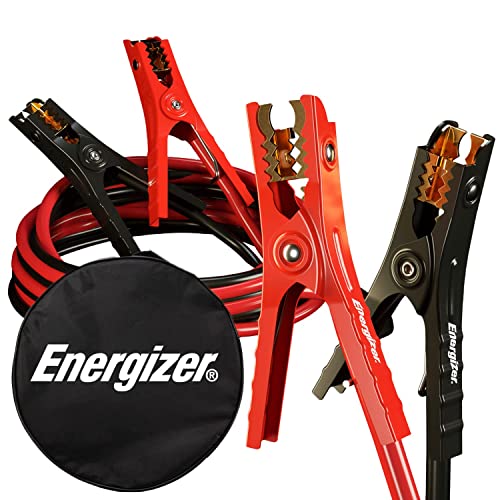
Energizer Jumper Cables for Car Battery, Heavy Duty Automotive Booster Cables for Jump Starting Dead or Weak Batteries with Carrying Bag Included (16-Feet (6-Gauge)
ENERGIZER 16 FEET JUMPER CABLES – 6 Gauge, 16 FT booster battery jumper cables for jump starting a…
As an affiliate, we earn on qualifying purchases.
As an affiliate, we earn on qualifying purchases.
Frequently Asked Questions
Can a Failing Alternator Cause Slow Cranking?
Like a busted Betamax, a failing alternator can cause slow cranking. When your alternator failure affects the electrical system, it doesn’t power the starter properly, leading to sluggish or weak engine turns. This isn’t just about the battery—if the alternator isn’t charging correctly, your vehicle’s electrical system suffers, making it harder for the engine to start. Keep an eye on your alternator to avoid slow cranking issues.
How Do Battery Age and Condition Affect Starting Problems?
Your battery’s lifespan and condition substantially impact starting issues. As batteries age, their ability to hold a charge diminishes, making it harder to start your car. Corrosion buildup on terminals can also hinder electrical flow, leading to slow or no cranking. Regularly check your battery’s age, look for signs of corrosion, and replace it when needed to guarantee reliable starts and avoid unexpected breakdowns.
Are There Safety Risks With Persistent No-Crank Symptoms?
Imagine sitting in your car, turning the key, and hearing only silence—it’s a warning sign. Persistent no-crank symptoms pose safety risks, especially if your vehicle stalls unexpectedly. Battery safety is essential; avoid attempting jumps or repairs without proper knowledge. If you experience this, follow emergency procedures like calling roadside assistance. Ignoring these symptoms can lead to accidents or further damage, so address the issue promptly to guarantee your safety.
What Diagnostic Tools Are Best for Identifying Starting Issues?
You should use diagnostic techniques like a multimeter to test the battery and starter relay, and conduct testing procedures such as a voltage drop test to identify starting issues. These methods help you pinpoint whether the problem lies with the battery, starter, or wiring. Using a scan tool can also reveal any trouble codes that indicate electrical faults, making your diagnosis more accurate and efficient.
Can Environmental Factors Influence Slow or No-Crank Symptoms?
Yes, environmental factors like air pollution and pollen exposure can influence slow or no-crank symptoms. Air pollution can clog your engine’s sensors or cause corrosion, affecting starting performance. Pollen buildup can clog filters or sensors, leading to starting issues. Keep your engine clean and protected from these elements, and consider installing air filters or using protective covers to minimize exposure. These steps help guarantee your vehicle starts reliably.

Starter Motor and Drive Combo Kit Replacement for Polaris 3090188 3084981 57-2688 Sportsmen Sportsman Ranger Magnum Trail Blazer Trail Boss 1995-2014 335 400 450 500 ATVS SMU0061, 41054020, 41054020R
【High Quality】A ABIGAIL starters are manufactured with premium quality components. All the starters has gotten quality tested for…
As an affiliate, we earn on qualifying purchases.
As an affiliate, we earn on qualifying purchases.
Conclusion
Now that you know the three clues for no-crank and slow-crank symptoms, you can approach your car with confidence. Think of these signs as the warning lights on your dashboard — they’re your car’s way of whispering what’s wrong before it leaves you stranded. By paying attention and acting swiftly, you prevent small issues from snowballing into major repairs. Keep your engine humming smoothly, and remember: catching the problem early is like fixing a crack before it spreads into a fracture.
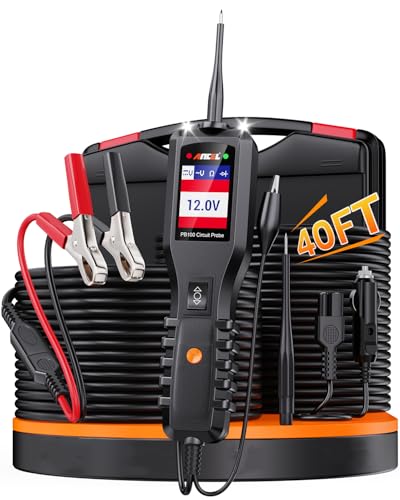
ANCEL PB100 Automotive Power Circuit Probe, 12-24 VDC Car Electrical Diagnostic Tool, AC/DC Voltage Current Resistance Short Detection, Trailer Fuse Tester, Digital Voltmeter Ohmmeter, 40FT Cables
All-in-One Power Circuit Tester for 6–30V Systems: The ANCEL Electrical Tester provides a complete solution for diagnosing vehicle…
As an affiliate, we earn on qualifying purchases.
As an affiliate, we earn on qualifying purchases.

CRC 05023 Battery Cleaner with Acid Indicator – 11 Wt Oz.
Fleet and Vehicle Maintenance
As an affiliate, we earn on qualifying purchases.
As an affiliate, we earn on qualifying purchases.