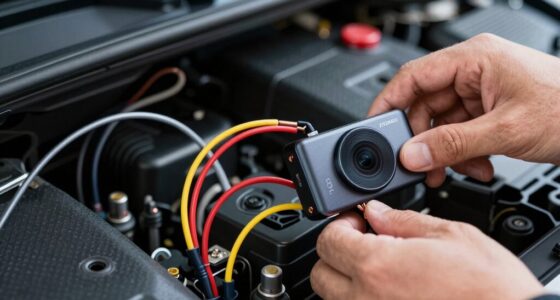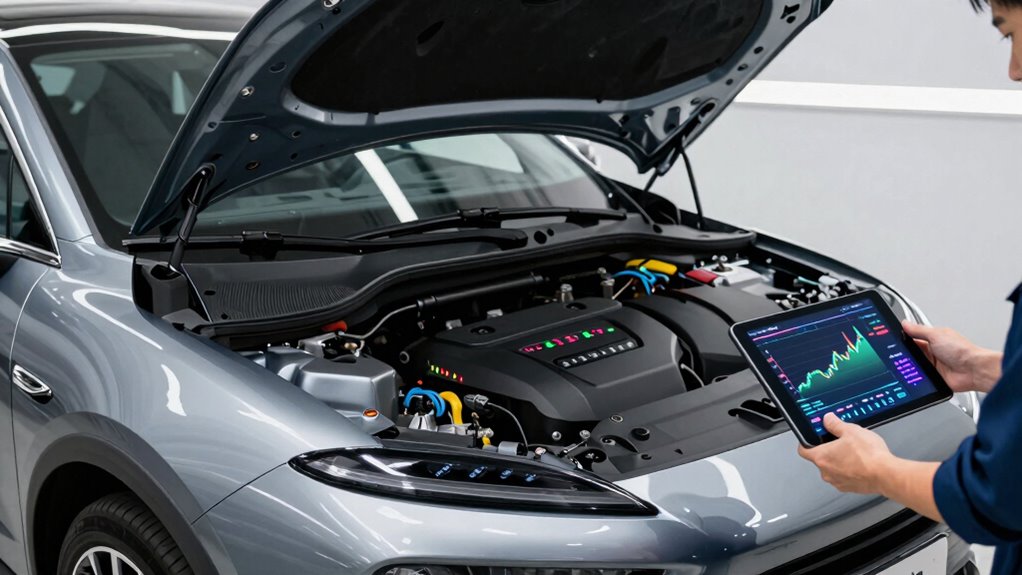

After repairs, your car’s onboard computer needs to go through a drive cycle to “re-learn” its ideal settings. This involves driving with specific patterns like steady speeds, gentle acceleration, and idling for about 15 minutes to over an hour, depending on your vehicle. Completing this cycle helps the computer recalibrate sensors and adjust fuel mixtures, ensuring your car runs efficiently and passes emissions tests. Keep going, and you’ll discover more about ensuring your vehicle stays in prime shape.
Key Takeaways
- Drive cycles simulate normal driving patterns to allow the vehicle’s computer to gather data and recalibrate sensors after repairs.
- Completing specific routines, including idling, accelerating, and cruising, helps the engine’s control system re-learn optimal settings.
- Proper drive cycles reset diagnostic trouble codes and ensure emissions control systems function correctly.
- Incomplete drive cycles may cause warnings, incorrect diagnostics, or failed emissions tests.
- Following manufacturer-recommended driving procedures ensures accurate re-learning and optimal vehicle performance post-repair.

Understanding drive cycles is essential because they represent the specific patterns of vehicle operation used to test emissions, fuel economy, and overall performance. When your car undergoes repairs, especially those affecting the engine or emissions control systems, it needs to “re-learn” certain parameters. This process involves completing specific drive cycles that allow the vehicle’s onboard computer to recalibrate sensors, adjust fuel mixture, and update engine diagnostics. These cycles are vital for passing emissions testing and ensuring your vehicle runs efficiently after repairs. Achieving a proper drive cycle can help prevent potential engine issues and prolong the life of your vehicle’s components.
Drive cycles help your vehicle recalibrate sensors and pass emissions tests after repairs.
After repairs, your car’s engine management system might not immediately reflect ideal performance. Instead, it requires a series of controlled driving conditions to gather data and adjust. Drive cycles simulate typical driving patterns—accelerating, idling, decelerating, and cruising—so the vehicle’s computer can confirm everything functions correctly. Skipping this step can lead to inaccurate engine diagnostics or even trigger warning lights like the Check Engine light. That’s why understanding how drive cycles work helps you know why your vehicle might need a specific driving routine before a state emissions test or an inspection.
When your car’s computer runs through these drive cycles, it performs a series of internal tests, including emissions testing procedures. These tests check whether the emissions control devices are functioning as intended by measuring gases released during different operating conditions. If the system detects errors or incomplete data collection, it might set a fault code or prevent the vehicle from passing emissions testing. Completing the proper drive cycle ensures that the engine diagnostics are up-to-date, which is essential for passing inspections and avoiding costly repairs down the line. Properly completed drive cycles also support the vehicle’s ability to maintain financial independence and optimal performance over time.
You might notice that your vehicle’s manual or a mechanic recommends specific driving patterns after repairs—like driving at steady speeds, avoiding sudden accelerations, or idling for certain periods. These instructions help your vehicle’s computer complete the necessary drive cycles efficiently. It’s not just about driving enough; it’s about doing it correctly to allow the onboard system to recalibrate. This process can take anywhere from 15 minutes to over an hour, depending on the vehicle and the repairs performed.
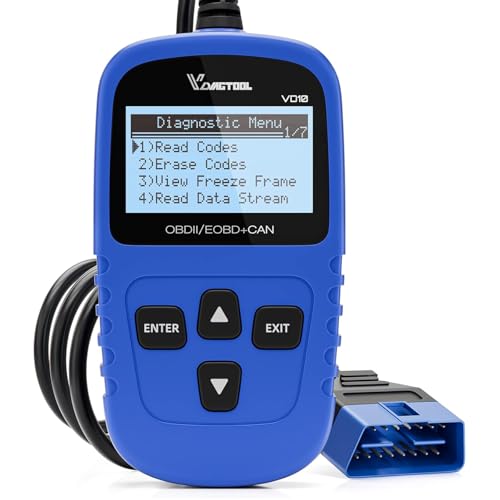
VDIAGTOOL VD10 OBD2 Scanner Code Reader Car Diagnostic Tool Engine Fault Code Reader for Turn Off CEL with Freeze Frame/I/M Readiness for All OBDII Protocol Cars, OBD2 Scanner Diagnostic Tool
【A MUST-HAVE TOOL FOR DIYERS】 – VDIAGTOOL VD10 car code reader is an incredibly useful obd scanner for…
As an affiliate, we earn on qualifying purchases.
As an affiliate, we earn on qualifying purchases.
Frequently Asked Questions
How Long Does a Typical Drive Cycle Take to Complete?
A typical drive cycle takes about 15 to 30 minutes to complete. During this time, your car’s ECU goes through various tests, helping with drive cycle duration and fuel efficiency recovery. You should drive at different speeds and conditions, including idling and acceleration. Following these steps guarantees your vehicle’s systems reset correctly, optimizing performance and emissions. Patience is key to fully completing the drive cycle and restoring fuel efficiency.
Can a Drive Cycle Vary Between Different Car Makes and Models?
Did you know that drive cycle procedures can vary by up to 30% across different models? You’ll find that model-specific procedures and manufacturer differences substantially impact how your car re-learns after repairs. Some vehicles require longer or more specific driving patterns, while others have simplified cycles. So, it’s essential to consult your owner’s manual or a professional to guarantee you’re following the right procedure for your make and model.
What Happens if I Don’T Complete the Drive Cycle Properly?
If you don’t complete the drive cycle properly, your car may show drive cycle errors, and sensors might not reset correctly. This can prevent your vehicle from passing emissions tests, cause warning lights to stay on, or affect fuel efficiency. You risk incomplete sensor resets, which hinder your car’s ability to re-learn best settings. To avoid these issues, follow the proper drive cycle steps carefully, ensuring all systems recalibrate properly.
Are There Specific Conditions Needed for a Successful Drive Cycle?
A successful drive cycle is like baking a perfect cake—you need the right conditions. You should maintain steady speeds, avoid abrupt acceleration or braking, and let the engine warm up fully. These conditions ensure sensor calibration and help your car’s systems, like the oxygen sensor, re-learn properly. When done correctly, it boosts fuel efficiency and guarantees your emissions are within ideal limits. Patience and consistency are key.
How Can I Tell if My Car Has Re-Learned Its Systems?
You can tell if your car has re-learned its systems by checking the check engine light. If it’s off after a drive cycle, that’s a good sign. For certainty, perform a diagnostic scan; if no error codes appear, your car has likely completed its re-learning process. Just make certain you’ve followed proper drive cycle procedures, and then verify the status with a scan tool.

Boost Monkey E-85 Fuel Test Kit – Ethanol Percentage Sample Test
Quickly And Easily Test The Ethanol Content Of Your E-85
As an affiliate, we earn on qualifying purchases.
As an affiliate, we earn on qualifying purchases.
Conclusion
Think of your car’s drive cycle as a storybook that needs re-reading after every repair. Just like a hero retracing their steps to remember their journey, your vehicle revisits its routines to relearn ideal performance. Each drive is a chapter that helps it reconnect with its memory, ensuring smooth sailing ahead. So, give your car time to re-learn, and soon it’ll be ready to continue its adventures with newfound confidence.

ANCEL AD310 Classic Enhanced Universal OBD II Scanner Car Engine Fault Code Reader CAN Diagnostic Scan Tool, Read and Clear Error Codes for 1996 or Newer OBD2 Protocol Vehicle (Black)
CEL Doctor: The ANCEL AD310 is one of the best-selling OBD II scanners on the market and is…
As an affiliate, we earn on qualifying purchases.
As an affiliate, we earn on qualifying purchases.
vehicle re-learn drive cycle guide
As an affiliate, we earn on qualifying purchases.
As an affiliate, we earn on qualifying purchases.