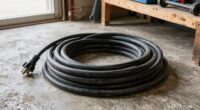
To extend the life of your air tools and guarantee safety, regularly use an oiler and filter to keep internal parts lubricated and free of debris. Develop good habits like disconnecting the air supply before storage, inspecting tools for wear, and cleaning surfaces after use. Proper maintenance reduces the risk of malfunctions and accidents. If you want to learn more about effective care practices, keep exploring tips that help keep your equipment running smoothly and safely.
Open a free Amazon Business account
Business pricing, bulk buying and tax-exempt orders.
As an affiliate, we earn on qualifying purchases.
Key Takeaways
- Regularly use an oiler to maintain proper lubrication, reducing internal wear and preventing tool failure.
- Install and check air filters to remove moisture and debris, ensuring cleaner airflow and extending tool lifespan.
- Incorporate routine inspection and cleaning habits to detect and address wear or damage early.
- Drain moisture from hoses and tools daily to prevent rust and corrosion, preserving tool integrity.
- Store tools properly after use in a dry, protected environment to avoid damage and ensure safety during future operation.
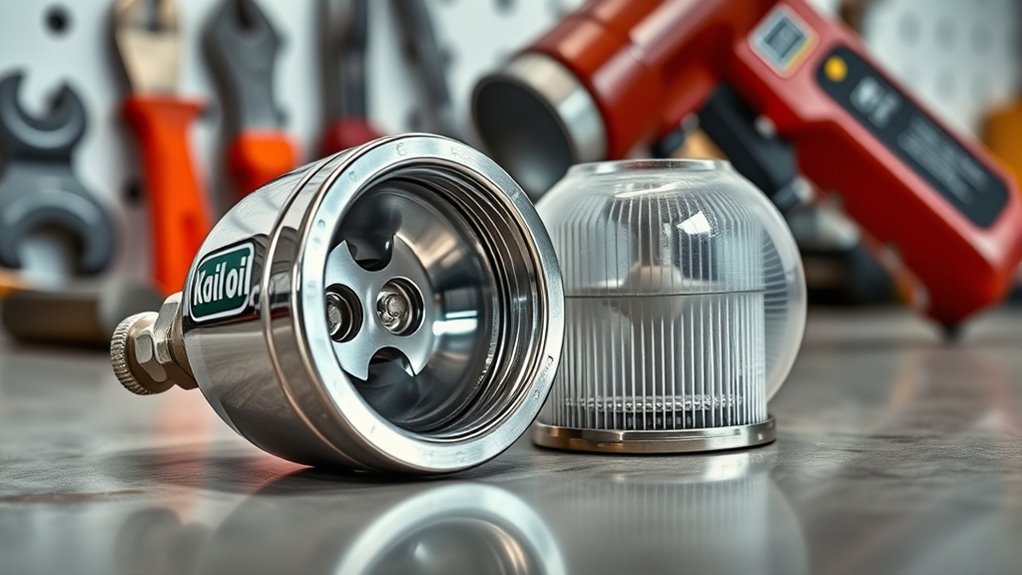
Using air tools can boost your productivity, but they also pose significant safety risks if not handled properly. To keep yourself safe and ensure your tools last longer, it’s essential to follow proper maintenance tips and store them correctly when not in use. Neglecting these practices can lead to equipment failure, accidents, or costly repairs, so investing a little time in routine care pays off in the long run.
Proper maintenance and storage of air tools ensure safety, durability, and optimal performance over time.
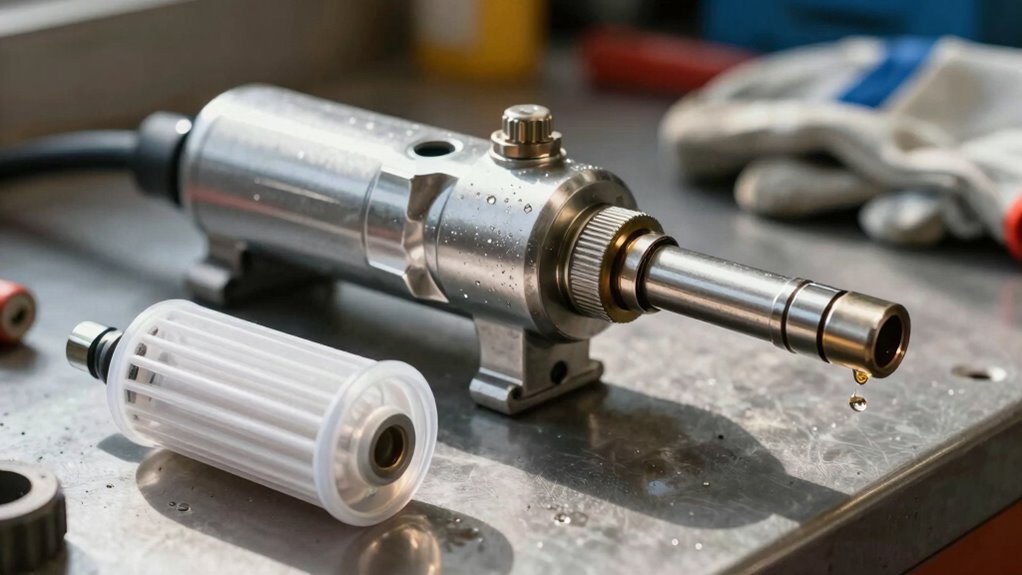
One of the most straightforward ways to extend the life of your air tools is to keep them well-maintained. Regularly inspecting and cleaning your tools helps prevent dirt, dust, and debris from clogging crucial components. Use a clean cloth to wipe down the exterior after each use, and check for signs of wear or damage. Lubrication is also key—adding a few drops of air tool oil before and after use keeps internal moving parts functioning smoothly and reduces friction that can cause premature wear. An oiler attachment can make this process easier, providing consistent lubrication and preventing rust and corrosion. Remember, proper maintenance tips like these aren’t just about performance; they’re about safety too. Well-maintained tools are less likely to suddenly malfunction, which could lead to accidents or injuries.
Proper storage is equally important in safeguarding your tools. When you’re finished working, disconnect the air supply and store your tools in a clean, dry place away from moisture or extreme temperatures. A dedicated toolbox or storage cabinet designed for air tools will protect them from dust, dirt, and accidental damage. Make sure to drain any residual moisture from the tools and hoses, as trapped water can cause rust and corrosion over time. Using protective cases or covers can also shield your equipment from scratches and impacts. This kind of proper storage not only prolongs the lifespan of your tools but also ensures they’re always ready for safe operation when you need them. It’s tempting to toss tools aside after use, but taking a few moments to put them away correctly can prevent costly repairs and accidental injuries. Incorporating proper maintenance routines into your workflow not only extends tool life but also enhances your overall safety.
Frequently Asked Questions
How Often Should I Replace My Air Tool Filters?
You should replace your air tool filters regularly based on filter maintenance and replacement frequency. Generally, check the filters weekly if you use your tools frequently. Replace them every 1 to 3 months, or sooner if they look dirty or clogged. Proper filter maintenance guarantees peak performance and prevents damage. Consistently monitoring and replacing filters when needed extends your air tool’s life and keeps it running smoothly.
What Are Signs of a Failing Air Tool Oiler?
Did you know that 60% of air tool failures are linked to improper lubrication? When your air tool’s oiler malfunctions, you’ll notice oil flow issues or inconsistent lubrication. Signs include unusual noise, increased wear, or sluggish performance. These symptoms indicate an oiler malfunction, which can drastically shorten your tool’s lifespan. Regularly check and maintain your oiler to prevent these issues and keep your tools operating smoothly.
Can Improper Habits Damage Air Tool Components?
Yes, improper habits can damage air tool components. Poor lubrication techniques, like over-lubricating or under-lubricating, cause wear and tear. Ignoring dust prevention by failing to clean filters and vents allows debris to enter, leading to malfunctions. Regular maintenance, correct lubrication, and keeping dust out help extend your air tool’s life. Pay attention to these habits to prevent costly repairs and guarantee peak performance.
Are There Specific Lubricants Recommended for Different Air Tools?
Think of your air tool as a fine-tuned engine; using the right lubricant keeps it running smoothly. You should choose lubricants based on compatibility with your tool’s materials, whether synthetic or mineral oils. Synthetic oils often last longer and perform better under extreme conditions, while mineral oils can be suitable for lighter tasks. Always follow your manufacturer’s recommendations to extend your tool’s lifespan and guarantee ideal performance.
How Does Ambient Temperature Affect Air Tool Maintenance?
Ambient temperature markedly impacts your air tool maintenance schedule. In high temperatures, you should check and lubricate your tools more frequently to prevent overheating and wear. Conversely, in cold environments, guarantee proper lubrication to avoid freezing or stalling. Adjust your maintenance routine based on ambient temperature, and stay aware of how temperature fluctuations can affect tool performance and longevity, keeping your equipment operating smoothly for longer.
Conclusion
So, next time you ignore that tiny oiler or skip the filter, remember—you’re actually sabotaging your tools’ lifespan. It’s ironic how such small habits can lead to big breakdowns, yet we often overlook them. Treat your air tools with care, and they’ll serve you longer than you’d expect. After all, a little vigilance now saves a lot of frustration later. Irony’s on your side—until it isn’t.
Evergreen bestsellers Picks
bestsellers
As an affiliate, we earn on qualifying purchases.