
The OBD2 port, usually found under your dashboard, connects your vehicle’s computer to scan tools that reveal engine and emissions data. It can tell you about trouble codes, real-time engine performance, and emission status, but it doesn’t give full access to other systems like brakes or interior electronics. While useful for diagnosing many issues, some problems require specialized tools. Keep exploring to find out what else this small port can do for you.
Key Takeaways
- The OBD2 port can provide engine performance data, diagnostic trouble codes, and real-time sensor readings.
- It mainly monitors powertrain and emission systems; it doesn’t give full access to non-emission vehicle subsystems.
- Not all faults trigger the Check Engine Light or store codes; intermittent issues may remain hidden.
- Clearing codes resets stored data but doesn’t fix underlying problems; issues may reoccur after driving.
- Compatibility varies; some vehicle systems require manufacturer-specific tools for comprehensive diagnostics.
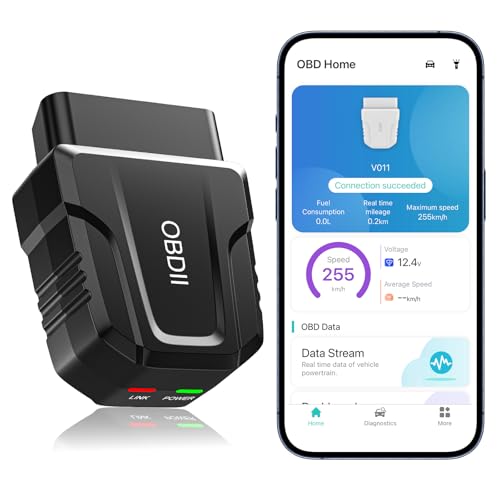
OBD2 Scanner Reader Bluetooth Wireless Auto Diagnostic Scan Tool for iOS & Android for Performance Test Bluetooth 5.4 Car Check Engine Car Code Reader, Clear Error Code Live Data Reset Exclusive APP
【Comprehensive Performance Testing】V011 OBD2 Scanner provides a complete diagnostic solution, giving you a thorough understanding of your vehicle's...
As an affiliate, we earn on qualifying purchases.
Understanding the OBD2 Port and Its Location
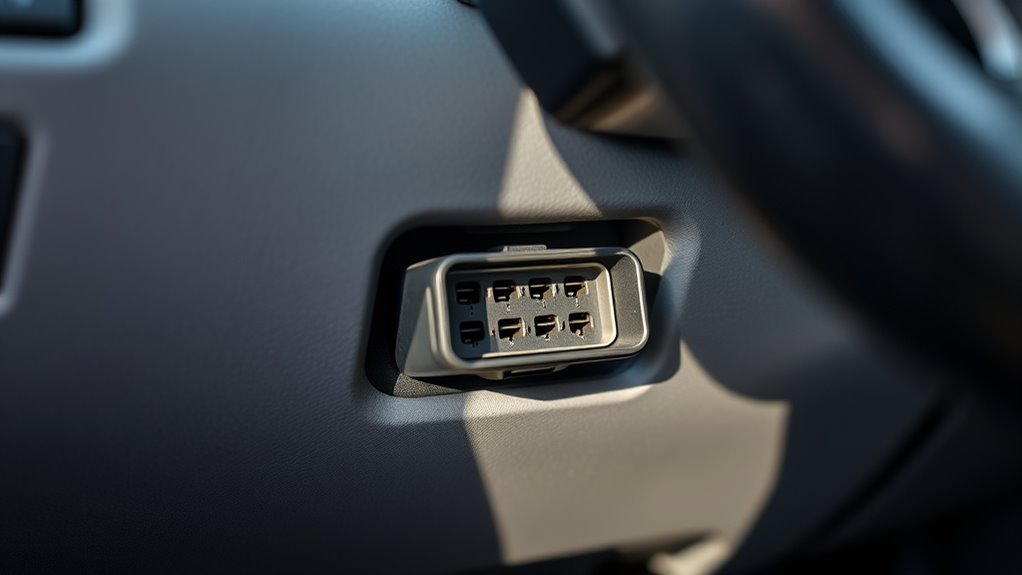
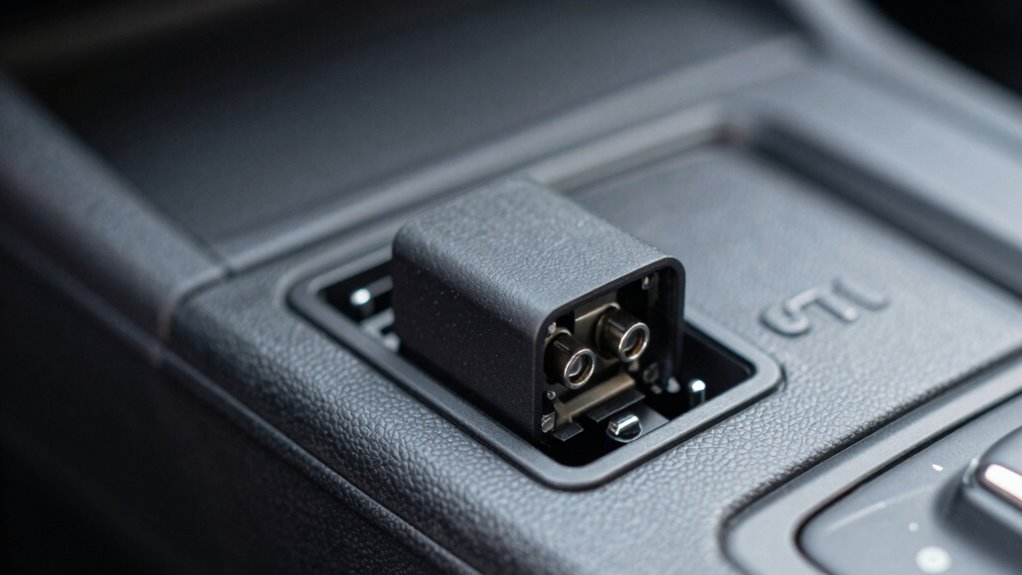
Have you ever wondered where to find the OBD2 port in your vehicle? It’s usually located under the dashboard on the driver’s side, just above the pedals. Look beneath the steering wheel, near the center console, or behind a small panel. Sometimes, it’s tucked behind the trim or close to the kick panel. The port is a 16-pin connector, often rectangular with two rows of pins, making it easy to identify. In some vehicles, especially trucks or imports, the location might differ slightly—like inside the glove box or in the engine bay. If you’re unsure, consult your vehicle’s manual or check online for your specific make and model. Finding the port is the first step to connecting diagnostic tools and accessing important vehicle data. Additionally, understanding the contrast ratio of your projector can significantly improve your home cinema experience by providing deeper blacks and brighter whites. For vehicle owners, knowing the OBD2 port location can streamline diagnostics and maintenance, especially when considering diagnostic tools that rely on this connection. This knowledge helps ensure you select the right equipment and interpret the data accurately. Additionally, understanding Indigenous wellness principles emphasizes holistic health and natural remedies, which can also be applied to vehicle care by promoting sustainable and respectful practices.

FOXWELL NT301 OBD2 Scanner Live Data Professional Mechanic OBDII Diagnostic Code Reader Tool for Check Engine Light
【Read Fault Codes】About the read code funtion needs to be in the ignition on state and if the...
As an affiliate, we earn on qualifying purchases.
What Information Can Be Accessed Through OBD2

Through the OBD2 port, you can access a wide range of essential vehicle information, including engine performance data, emission control status, and diagnostic trouble codes. You’ll see real-time readings like engine speed, coolant temperature, vehicle speed, and throttle position, which help you understand how your vehicle is running. You can also retrieve emission-related data and monitor readiness status for smog checks. Diagnostic Trouble Codes (DTCs) reveal specific issues triggering the check engine light, providing insight into problems with sensors, valves, or other components. Additionally, you can access vehicle identifiers like the VIN and calibration details. This information enables you to diagnose problems early, perform maintenance proactively, and verify repairs without needing complex tools or dealer visits.

FOXWELL Car Scanner NT604 Elite OBD2 Scanner ABS SRS Transmission, Check Engine Code Reader for Cars and Trucks, Diagnostic Scan Tool with SRS Airbag, Automotive Diagnostic Tool with Live Data
[Easy to Use—Work Out of the Box] + [FOXWELL 2026 New Version] FOXWELL NT604 Elite scan tool is...
As an affiliate, we earn on qualifying purchases.
How OBD2 Detects and Reports Vehicle Issues
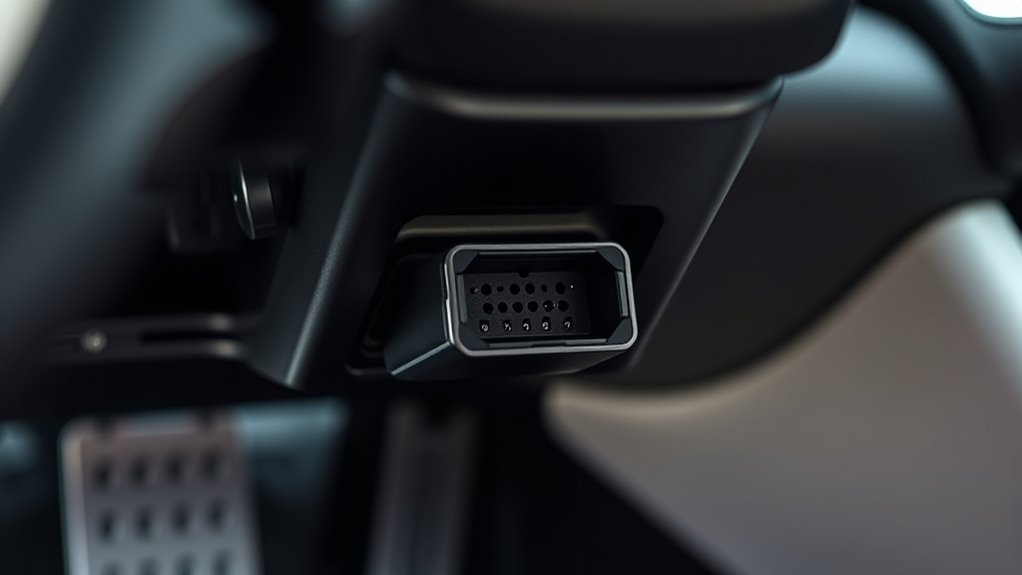
When your vehicle’s sensors detect an abnormal condition, the on-board computer quickly processes the data to identify potential issues. It compares sensor readings against standard values to spot inconsistencies. Once a problem is detected, the system responds in three key ways:
- It generates a Diagnostic Trouble Code (DTC) that pinpoints the issue.
- It triggers the Check Engine Light (CEL) to alert you.
- It stores detailed data about the malfunction for later review. Understanding vehicle diagnostics can help you better interpret these signals and address problems more effectively. This process allows the system to continuously monitor various components, flag anomalies, and communicate problems efficiently. The ECU acts as the brain, analyzing real-time data and reporting issues through DTCs, helping you or a technician understand what’s wrong quickly and accurately. Additionally, familiarity with on-board computer functions can assist in troubleshooting and maintaining your vehicle’s health. Recognizing how diagnostic trouble codes are generated can further improve your ability to diagnose and resolve issues without unnecessary repairs. Moreover, comprehending the sensor data interpretation process can enhance your overall understanding of vehicle performance diagnostics.

ANCEL AD310 Classic Enhanced Universal OBD II Scanner Car Engine Fault Code Reader CAN Diagnostic Scan Tool, Read and Clear Error Codes for 1996 or Newer OBD2 Protocol Vehicle (Black)
CEL Doctor: The ANCEL AD310 is one of the best-selling OBD II scanners on the market and is...
As an affiliate, we earn on qualifying purchases.
Limitations of OBD2 Diagnostics
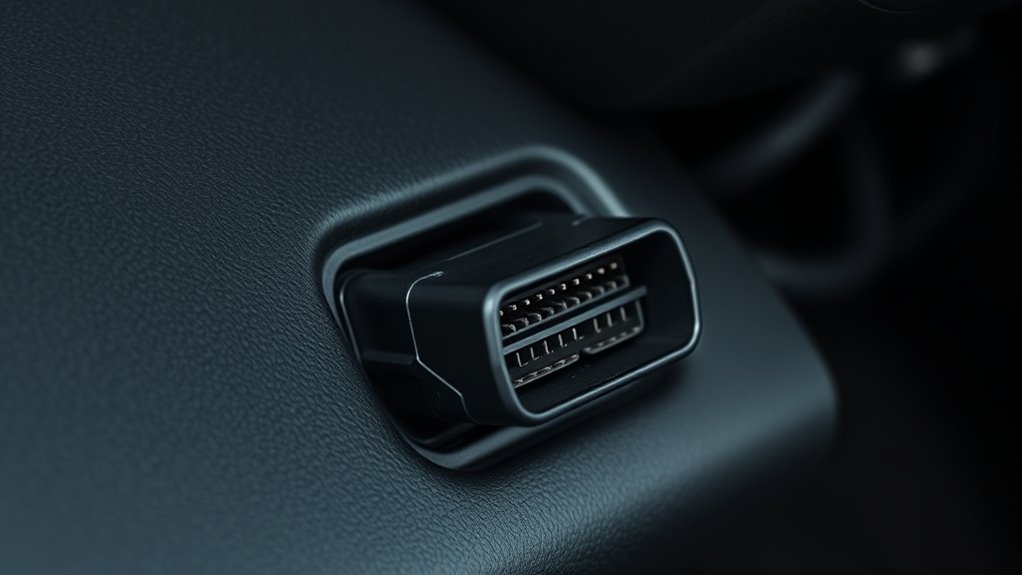
You should know that OBD2 has limitations that can affect diagnostics. It offers limited access to certain subsystems and may not detect all issues, especially in non-powertrain areas. Additionally, incomplete readiness data and stored intermittent faults can make it harder to pinpoint problems accurately. Moreover, modern vehicle systems continue to evolve, and OBD2 may not keep pace with the latest technological advancements. As vehicle technology advances, some advanced systems might not be fully compatible with standard OBD2 scanners. Furthermore, the diagnostic protocols used by OBD2 are primarily designed for emissions-related systems and may not provide comprehensive coverage for all vehicle electronics. Given the rapid development of vehicle connectivity, some diagnostics require more specialized tools beyond traditional OBD2 scanners.
Limited Subsystem Access
While OBD-II systems are effective at monitoring engine and emission-related components, they have limited access to other vehicle subsystems such as chassis, body, and accessories. You won’t get detailed info on things like air conditioning, power windows, or braking systems through the standard port. Here’s what you need to know: They mainly focus on powertrain and emissions, ignoring many other systems. Vehicle subsystem access often requires manufacturer-specific tools or protocols. Access to chassis or body data requires manufacturer-specific tools or protocols. Intermittent or non-critical issues in non-emission systems often aren’t recorded or flagged. Additionally, diagnostic limitations highlight that certain features and details relevant to vehicle health are often not accessible through generic diagnostics. This means that while OBD2 helps identify engine problems, it doesn’t give a complete picture of your vehicle’s overall health, especially for non-emission-related systems. Moreover, standardized protocols do not cover all vehicle makes and models, which can further restrict diagnostic capabilities.
Incomplete Readiness Data
Have you ever wondered why your vehicle’s readiness status might be incomplete after a recent repair or reset? It’s because OBD2 monitors need specific driving conditions to complete their tests. If you haven’t driven enough, the system won’t gather enough data to confirm that components are functioning properly. This incomplete data can cause your smog check to fail or prevent you from passing emissions tests. Additionally, some vehicles take longer to run through their monitor cycles, especially if you don’t follow the recommended driving patterns. Older vehicles or those with limited support for certain monitors might never fully complete their readiness checks. As a result, OBD2 can’t provide a full picture of your vehicle’s condition until the proper driving cycle is completed. The incident highlights reliance on cloud services and potential vulnerabilities that can impact diagnostic systems like OBD2. To improve the accuracy of these systems, consistent driving habits and understanding diagnostic readiness procedures are essential. Ensuring proper monitor cycle completion can help achieve more reliable diagnostic results and vehicle health assessments. Additionally, understanding OBD2 system limitations can help prevent misinterpretations of the data and unnecessary repairs.
Intermittent Fault Storage
Intermittent faults can pose a significant challenge for OBD2 diagnostics because they don’t always set permanent trouble codes or trigger the Check Engine Light immediately. These issues can come and go, making them harder to track down. You might notice the vehicle runs fine most of the time, but occasionally, a sensor glitch or loose connection causes a temporary fault. Here’s what you should know: Vetted – Berkley Vallone 1. Faults may be stored without setting a DTC if the problem isn’t consistent. 2. The system requires specific driving patterns to detect and record intermittent issues. 3. Clearing codes doesn’t always resolve the problem; faults can reappear later, making diagnostics tricky. 4. Patience and repeated testing are often necessary to identify these elusive problems.
Using a Scan Tool to Read and Clear Codes
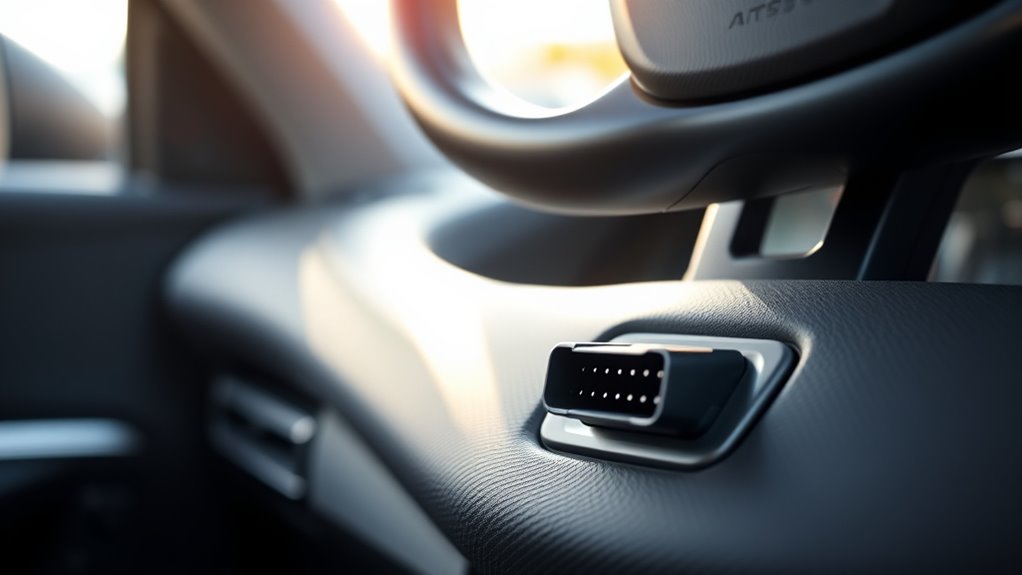
To start using a scan tool, you need to connect it to your vehicle’s OBD port, usually located under the dashboard. Once connected, you can read Diagnostic Trouble Codes (DTCs) to identify issues and clear them to reset the system. This process helps you quickly diagnose problems and maintain your vehicle’s performance. User consent is essential when handling data from your vehicle, especially regarding privacy and data sharing. Proper green tea preparation can ensure accurate readings and optimal performance of your diagnostic tools. Understanding decoding slang, such as the meaning behind technical terms, can also help you better interpret the information provided by your scan tool.
Connecting the Scan Tool
Connecting a scan tool to your vehicle is straightforward once you locate the OBD-II port, typically under the dashboard near the steering column. First, turn off your ignition to prevent electrical issues. Next, follow these steps:
- Plug the scan tool’s connector into the OBD-II port until it clicks securely.
- Turn the ignition to the “On” position without starting the engine—this powers the vehicle’s systems.
- Power on your scan tool, which will establish a connection with the vehicle’s ECU.
Once connected, you’re ready to access data, read trouble codes, and clear them. Make sure the connection is firm, and your vehicle’s electrical system is stable to avoid communication errors.
Reading Diagnostic Trouble Codes
Once you’ve established a solid connection between your scan tool and the vehicle’s OBD-II port, reading diagnostic trouble codes (DTCs) becomes straightforward. You simply power on the scan tool and select the “Read Codes” function. The tool communicates with the vehicle’s ECU, retrieving stored DTCs that indicate specific issues. These codes typically start with a letter followed by numbers, such as P0420, pointing to particular problems with engine performance or emissions. The scan tool displays these codes, giving you insights into what may be wrong. In many cases, you’ll also see a brief description of each code. Remember, DTCs are diagnostic clues, not definitive diagnoses—use them as a starting point for further troubleshooting.
Clearing and Resetting Codes
Have you ever wondered how to clear stored trouble codes from your vehicle’s computer after fixing an issue? Using a scan tool makes this simple. Here’s how you do it:
- Connect the scan tool to your vehicle’s OBD port, usually located under the dashboard.
- Turn on your ignition, but don’t start the engine. Follow your scanner’s prompts to access the DTC menu.
- Select the option to clear or erase codes, then confirm.
Once completed, the scan tool clears the stored trouble codes and resets the Check Engine Light. Keep in mind, if the problem isn’t fixed, codes may return after driving. Clearing codes doesn’t fix issues; it just resets the system.
The Role of DTCs and Readiness Monitors
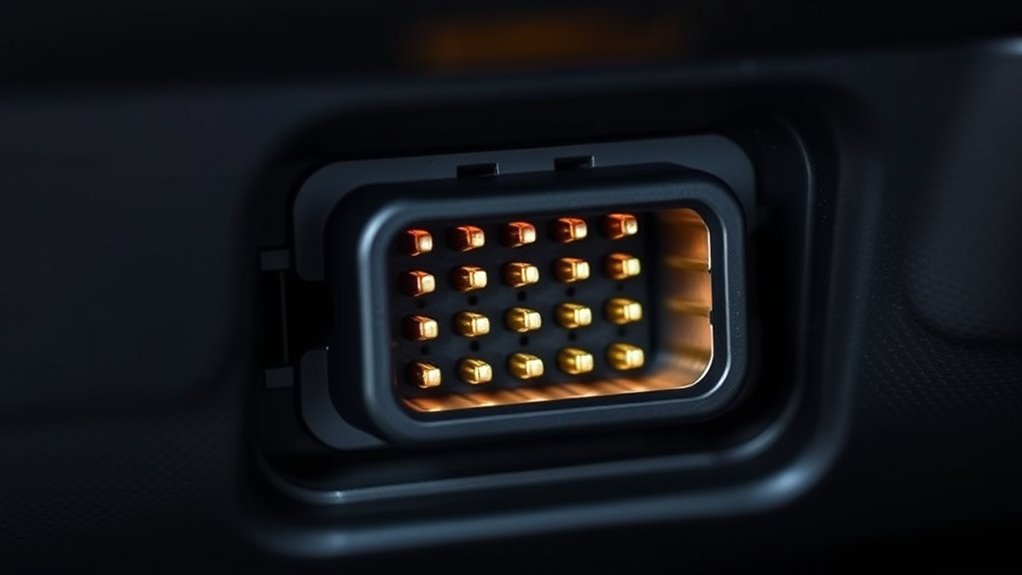
Diagnostic Trouble Codes (DTCs) play a pivotal role in identifying specific issues within your vehicle’s engine and emission systems, acting as a digital alert that something isn’t functioning properly. When a sensor detects a problem, the ECU stores a DTC and illuminates the Check Engine Light. These codes help you or a technician pinpoint trouble areas quickly.
Readiness monitors track whether your vehicle has completed necessary drive cycles to confirm system health. If these monitors aren’t complete, your car might fail a smog check, even if the DTCs are clear. Here’s a visual:
| Monitoring Status | Description |
|---|---|
| Complete | Systems have passed tests, ready for inspection. |
| Incomplete | Not enough driving cycles completed; tests pending. |
| Not Supported | Vehicle or system doesn’t support this monitor. |
| Fault Detected | An unresolved issue prevents monitor completion. |
Common Misconceptions About OBD2 Capabilities
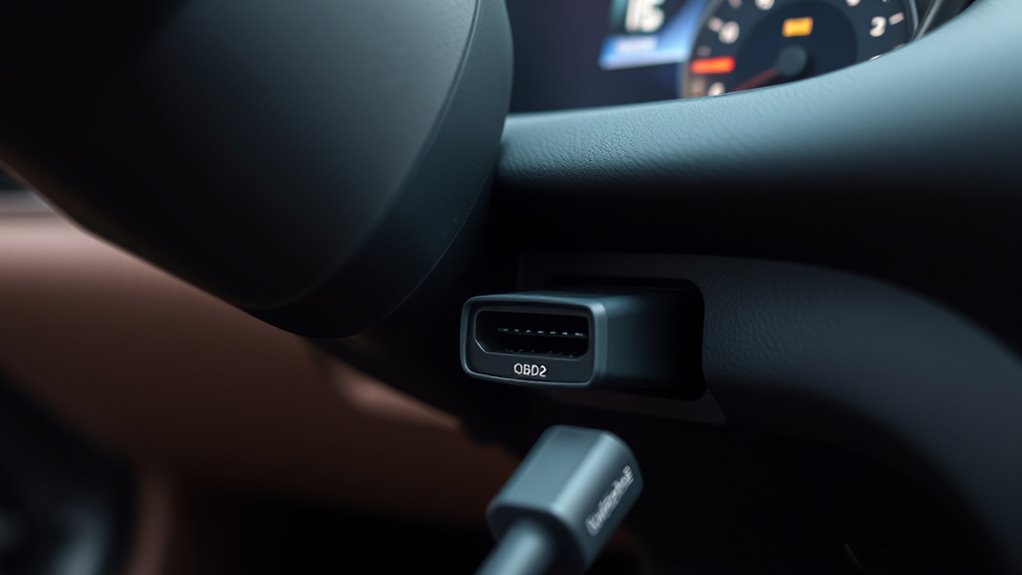
Many people believe that OBD2 systems can diagnose every issue in a vehicle, but that’s not true. OBD2 focuses mainly on engine, transmission, and emissions problems, not every car system. Here’s what you should know:
- It won’t detect problems with chassis, suspension, or accessories like airbags or brakes.
- Intermittent issues may not trigger a check engine light or store codes unless they happen during a drive cycle.
- Some older vehicles or those with manufacturer-specific systems won’t support all OBD2 functions or provide complete data.
Understanding these limits helps you avoid false confidence and know when to seek advanced diagnostics or specialized tools for deeper issues.
Practical Tips for Using OBD2 During Vehicle Maintenance
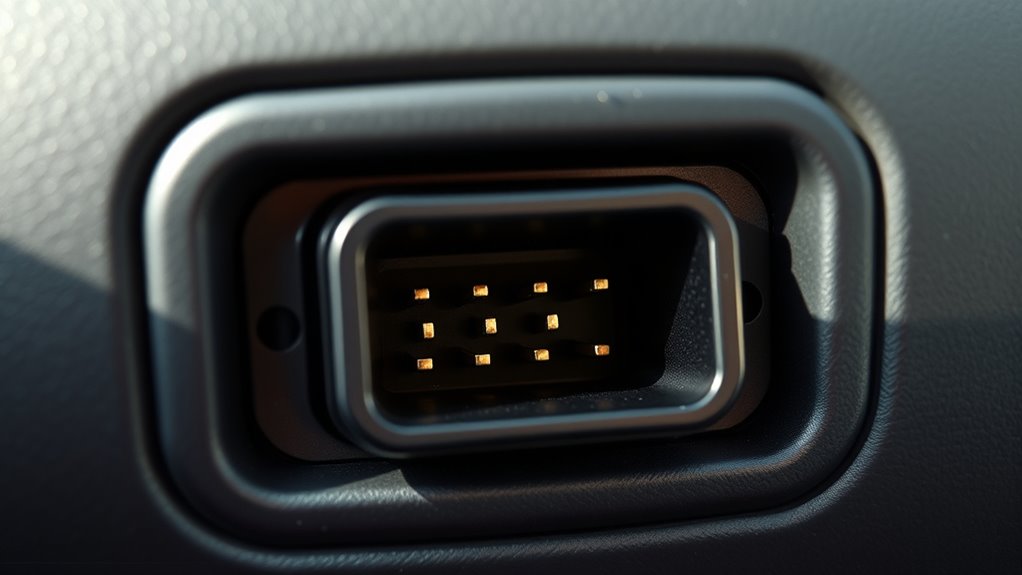
Using your OBD2 scanner effectively can streamline vehicle maintenance and save you time and money. Start by connecting it properly to the diagnostic port under your dashboard. Before running tests, clear existing DTCs to get a fresh read on issues. When you retrieve codes, look them up to understand their meaning, but don’t jump to conclusions—some codes indicate minor issues. Use live data mode to monitor real-time engine parameters, helping you identify problems early. Pay attention to readiness monitors; incomplete ones can cause smog check failures. Regularly scan your vehicle, especially before emissions testing or after repairs, to catch faults early. Keep your scanner updated with the latest software to access all functions. Following these tips ensures you maximize your OBD2’s usefulness during maintenance.
Frequently Asked Questions
Can OBD2 Diagnose All Vehicle Subsystems Beyond Emissions?
No, OBD2 can’t diagnose all vehicle subsystems beyond emissions. It mainly focuses on the powertrain, engine, transmission, and emission control systems. While it provides valuable data and trouble codes for these areas, it doesn’t access chassis, body, or accessory systems unless you use advanced or manufacturer-specific tools. So, for issues outside emissions and engine performance, you’ll need specialized diagnostic equipment.
What Do Intermittent or Pending DTCS Mean?
Did you know that about 30% of DTCs are pending or intermittent? When you see these codes, it means the system detected a potential issue that hasn’t fully established itself or isn’t consistently present. You should pay attention because pending codes might turn into confirmed trouble codes later, indicating a developing problem. Checking these early can help prevent more serious, costly repairs down the line.
How Does Vehicle Age Affect OBD2 Data Accuracy?
As your vehicle ages, OBD2 data accuracy can decline due to wear, sensor degradation, and outdated systems. You might notice delayed or inaccurate readings, especially on older models that lack support for newer protocols. Regular maintenance helps keep sensors functioning well, but be aware that some diagnostic data could be less reliable over time. Upgrading or updating your vehicle’s systems can improve OBD2 data precision.
Can OBD2 Monitor Issues Caused by Wiring or Sensor Faults?
You might think OBD2 can catch every wiring or sensor fault, but it’s not that precise. When wiring or sensors fail intermittently or have minor issues, the system often doesn’t detect them immediately. Instead, faulty signals may cause inaccurate or no DTCs, leaving you in the dark. Think of it like a weather vane that only points when the wind’s strong enough—small faults can slip by unnoticed until they cause bigger problems.
Are Manufacturer-Specific Codes Accessible Through Standard OBD2 Tools?
You can’t access manufacturer-specific codes using standard OBD2 tools. These codes are unique to each vehicle brand and often require specialized, manufacturer-specific scan tools or software. Standard OBD2 scanners only read generic powertrain codes and basic emission-related data. For manufacturer codes, you’ll need advanced diagnostic equipment or dealer-level tools that support the specific protocols and proprietary data of your vehicle’s make.
Conclusion
Think of the OBD2 port as your vehicle’s quiet messenger, sharing helpful hints without revealing all its secrets. While it can’t solve every mystery under the hood, it’s a handy tool for catching early signs of trouble and keeping your ride smooth. Use it wisely, and you’ll stay a step ahead, turning what might seem like car chatter into a friendly conversation. After all, a little knowledge goes a long way in keeping your car happy and healthy.