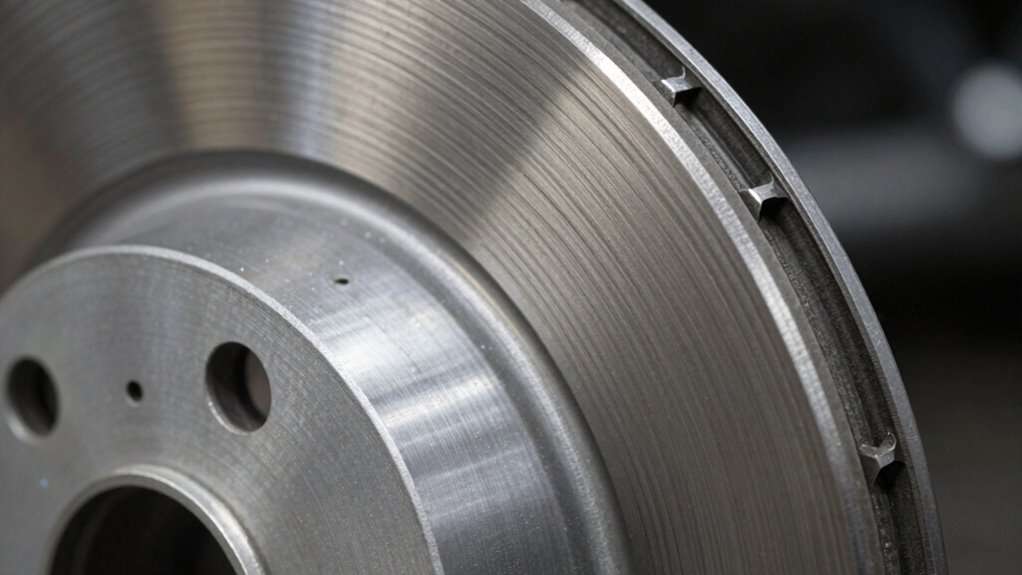
Rotor runout is the wobbling or deviation of your brake rotor’s surface as it spins, which causes pulsation and uneven braking. It often results from surface irregularities, warping, or manufacturing tolerances that are exceeded. This can lead to vibrations, noise, and decreased braking efficiency. Proper measurement with precise tools can identify if your rotors are within limits or need attention. Keep going to learn more about how to spot and fix this hidden issue.

Get business pricing on garage and car supplies
- Business-only prices and quantity discounts
- Tax-exempt purchasing
- Multiple users, one account, clear invoices
Key Takeaways
- Rotor runout is the wobble or deviation of the rotor surface during rotation, causing uneven braking and pulsation.
- Excessive runout disrupts contact with brake pads, leading to vibrations and brake pedal pulsation.
- Accurate measurement with tools like dial indicators helps identify if runout exceeds acceptable tolerances.
- Manufacturing tolerances and surface imperfections can cause or worsen rotor runout, impacting brake performance.
- Managing runout through proper installation, maintenance, or machining prevents brake pulsation and ensures safety.

Rotor runout refers to the deviation or wobble of a rotor’s surface as it spins, which can affect the performance of rotating machinery. When your vehicle’s brake system experiences pulsation or uneven braking, rotor runout might be the culprit. Understanding how this deviation occurs requires recognizing the significance of measurement accuracy and manufacturing tolerances. These factors directly influence how precisely rotors are made and how effectively they perform during operation.
Measurement accuracy is vital when diagnosing rotor runout because even tiny deviations can cause significant issues. Using precise tools, such as dial indicators or specialized gauges, allows technicians to detect subtle wobbling that might not be visible to the naked eye. Accurate measurements help determine whether the runout exceeds acceptable limits, guiding proper repair or replacement decisions. If measurement tools are imprecise, you risk misdiagnosing the problem, which can lead to unnecessary part replacements or overlooked issues.
Manufacturing tolerances refer to the permissible variations in a rotor’s dimensions during production. Every rotor is manufactured within specified tolerances to guarantee consistent performance, but slight deviations are inevitable. When these tolerances are exceeded, the rotor may wobble during rotation, leading to uneven contact with brake pads or other components. This wobble can cause vibrations, noise, and reduced braking efficiency. Recognizing the role of manufacturing tolerances helps you appreciate why some rotors are more prone to runout than others, especially if quality control isn’t strict.
In practice, excessive rotor runout results from both manufacturing issues and wear over time. If the rotor’s surface isn’t perfectly flat or if it’s warped due to heat or stress, the wobble becomes more pronounced. Regular inspections using accurate measurement methods can detect these issues early. When runout is within manufacturing tolerances, it typically won’t cause problems. However, if measurements reveal runout beyond acceptable limits, you might need to have the rotor machined or replaced to restore proper performance. Additionally, proper installation techniques can help prevent unnecessary runout caused by improper mounting or handling.
Ultimately, understanding the importance of measurement accuracy and manufacturing tolerances gives you better insight into rotor runout. Recognizing when deviations are within acceptable limits helps prevent unnecessary repairs, while identifying excessive wobble allows for timely intervention. This knowledge ensures your vehicle maintains ideal braking performance, safety, and comfort. By paying attention to these factors, you can better diagnose issues, select quality parts, and keep your braking system functioning smoothly.
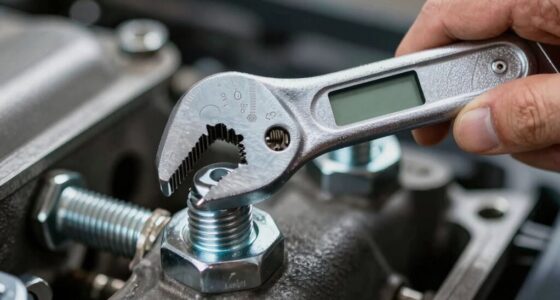
brake rotor dial indicator measurement tool
As an affiliate, we earn on qualifying purchases.
As an affiliate, we earn on qualifying purchases.
Frequently Asked Questions
Can Rotor Runout Be Completely Eliminated?
Rotor runout can’t be completely eliminated because manufacturing tolerances and wear over time cause slight deviations. However, you can minimize it through precision measurement during installation and regular maintenance. Ensuring your rotors are within manufacturer specifications helps reduce brake pulsation. While perfection is impossible due to inherent manufacturing limits, maintaining proper installation and timely replacements will keep rotor runout to a minimum, improving your braking performance.
How Often Should Rotor Runout Be Checked?
You should check rotor runout at every tire rotation or every 6,000 to 8,000 miles, especially if you notice brake pulsation or steering vibrations. Regular checks help identify alignment issues or tire balance problems that can cause uneven rotor wear. Addressing rotor runout early prevents damage, maintains braking performance, and guarantees a smoother ride. Don’t neglect these inspections—they’re key to safe, effective braking.
Does Rotor Runout Affect Tire Wear?
Did you know that improper rotor runout can cause up to 30% of uneven tire wear? When rotor runout isn’t addressed, it can lead to vibrations and uneven tread patterns. This affects tire alignment, causing premature wear and reducing your tire’s lifespan. By maintaining proper rotor runout, you guarantee smoother braking and extend your tires’ life, saving you money and improving overall vehicle safety.
Can Rotor Runout Cause Brake Noise?
Yes, rotor runout can cause brake noise like brake squeal and an uneven pedal feel. When your rotor isn’t perfectly flat, it creates vibrations during braking, leading to squealing sounds. You might also notice the brake pedal feeling uneven or pulsating. This is because the uneven rotor surface causes inconsistent contact between the brake pad and rotor, resulting in noisy braking and a less smooth pedal feel.
Is Rotor Runout Related to Wheel Alignment?
Think of rotor runout as a crooked picture frame; it can be related to wheel alignment as misaligned wheels often cause uneven rotor surfaces. When your wheel alignment is off or tires are unbalanced, it affects how the rotor spins, increasing runout. This, in turn, causes brake pulsation. So, maintaining proper wheel alignment and tire balance helps prevent rotor runout, ensuring smooth braking and prolonging rotor life.
As an affiliate, we earn on qualifying purchases.
Conclusion
Now that you understand rotor runout, it’s like uncovering a sneaky culprit lurking behind brake pulsations. Think of it as a hidden villain causing chaos in your braking system, quietly wobbling your rotor and throwing off your stopping power. By catching this silent troublemaker early, you can restore smoothness and confidence to your ride. Don’t let rotor runout be the ghost in your machine—tackle it head-on and enjoy a safer, steadier drive ahead.
As an affiliate, we earn on qualifying purchases.
vehicle brake rotor inspection tools
As an affiliate, we earn on qualifying purchases.
As an affiliate, we earn on qualifying purchases.
Fall Picks
fall essentials
As an affiliate, we earn on qualifying purchases.