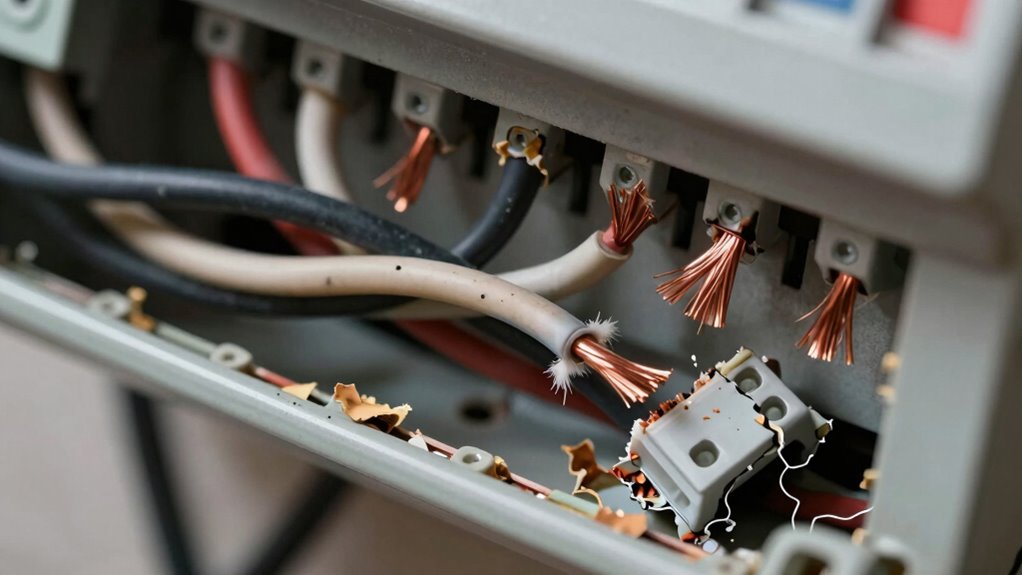

Stop neglecting proper wiring practices and mismatched fuse ratings, as these are common failures that threaten your electrical safety. Using incorrect fuse sizes or wiring that doesn’t follow safety standards can cause overheating, false trips, or even fires. Poor connections and bypassed safety devices only increase risks. If you keep these mistakes, your system’s reliability is at stake. Keep going to discover essential tips to prevent these dangerous errors and protect your system effectively.

Get business pricing on garage and car supplies
- Business-only prices and quantity discounts
- Tax-exempt purchasing
- Multiple users, one account, clear invoices
Key Takeaways
- Avoid using improper fuse or breaker ratings that do not match wire gauge and load requirements.
- Do not bypass or disable safety devices, as it increases the risk of electrical failures and fires.
- Refrain from neglecting regular inspections and testing for fault detection and system safety.
- Never rely solely on fuses without proper wiring practices and secure grounding.
- Avoid poor wiring connections and inadequate labeling, which hinder fault isolation and system maintenance.
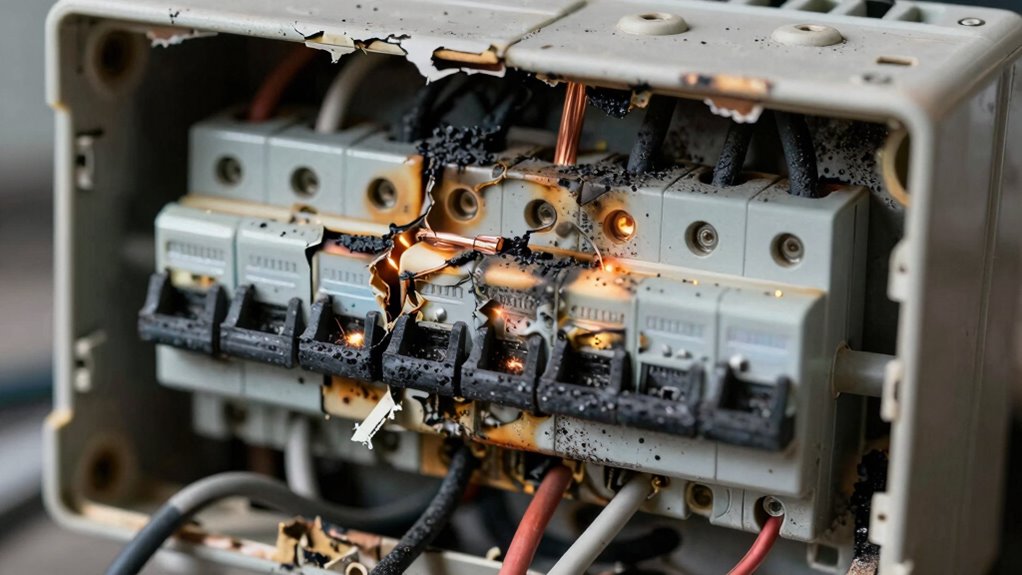
Understanding common failures in safe wiring and fusing is essential for maintaining electrical system reliability and safety. One of the biggest mistakes you can make is neglecting proper overcurrent protection. When wiring isn’t equipped with the correct fuse or circuit breaker rating, it leaves your system vulnerable to overloads. Overcurrent can cause wires to heat up excessively, risking insulation damage, fires, or equipment failure. You might think that using a fuse or breaker with a higher rating is a good idea to prevent nuisance trips, but that actually defeats the purpose of overcurrent protection. Instead, you should always select devices that match the wire gauge and load requirements. Proper overcurrent protection acts as a safeguard, preventing dangerous situations before they happen. Ensuring that your protection devices are correctly rated and functioning properly is a crucial step in preventing electrical hazards.
Proper overcurrent protection matching wire and load specs is vital for safe, reliable electrical systems.
Fault isolation is another critical aspect that tends to be overlooked. When a fault occurs—like a short circuit or ground fault—quickly identifying and isolating the problem is vital. Failure to do this can cause the fault to spread, damage other parts of the system, or even lead to safety hazards. People often ignore regular inspections or skip testing their circuit protection devices, which hampers fault isolation efforts. Without effective fault isolation, you risk prolonged outages and more extensive repairs. To avoid this, make sure your wiring is designed with clear, accessible pathways for troubleshooting. Use proper labeling, and keep spare fuses or circuit breakers handy to quickly disconnect affected sections. Additionally, understanding the importance of correct wiring practices is crucial for safety and system integrity. Regular maintenance and testing of your electrical system are necessary to identify potential issues early and maintain system reliability.
Another common mistake is relying solely on fuses for protection without considering the importance of proper wiring practices. Fuses are designed to blow when current exceeds a set limit, but if wiring isn’t properly installed—like poor connections or inadequate grounding—the fuse may not blow when it should, or worse, it may blow prematurely. This can lead to false trips or, alternatively, unprotected wires. Always verify that your wiring adheres to safety standards and that your fuses are correctly rated for the specific circuits. Proper wiring not only ensures the fuse functions as intended but also enhances the overall safety of your system. Maintaining correct wiring practices helps prevent unnecessary fuse replacements and reduces the risk of electrical failures.
You should also avoid bypassing safety devices to save time or effort. This tempting shortcut often results in dangerous situations, as it removes the very protections meant to prevent electrical failures and fires. Consistently maintaining and testing your overcurrent protection devices and ensuring fault isolation measures are in place will help you catch problems early. Remember, safe wiring isn’t just about following codes; it’s about understanding how each component works together to protect your system and prevent failures. Neglecting these aspects is one of the most common failures and can have serious consequences. Regularly reviewing and updating your electrical safety measures is essential for long-term system security.
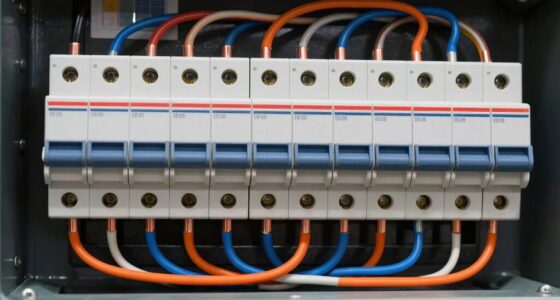
electrical fuse and circuit breaker set
As an affiliate, we earn on qualifying purchases.
As an affiliate, we earn on qualifying purchases.
Frequently Asked Questions
How Often Should Wiring and Fusing Be Inspected for Safety?
You should inspect wiring insulation and fuse amperage at least once a year to guarantee safety. Regular checks help identify damaged wiring or worn insulation that could cause shorts or fires. Additionally, verify that fuse amperage matches the manufacturer’s specifications to prevent overloads. If you notice any signs of wear, corrosion, or improper fuse ratings, address them immediately to maintain a safe electrical system.
What Are the Signs of Faulty Wiring or Fuses?
You’ll notice faulty wiring or fuses if you see frequent tripping of circuit breakers, burning smells, or scorch marks around outlets. Flickering lights and sparks are clear signs of electrical hazards that could lead to fire risks. Also, frayed wires or loose connections indicate potential danger. Regular inspections help identify these issues early, preventing electrical hazards and reducing fire risks, ensuring your electrical system stays safe and reliable.
Can DIY Wiring Repairs Compromise Safety Standards?
Yes, DIY wiring repairs can compromise safety standards if you don’t follow the electrical code or fall into common DIY pitfalls. Without proper knowledge, you might install faulty connections, use incorrect materials, or overlook grounding requirements, increasing fire or electrocution risks. Always prioritize safety by understanding local codes, using the right tools, and consulting professionals when needed. Skipping these steps could undermine your home’s safety and lead to costly repairs later.
What Tools Are Best for Checking Fuse Integrity?
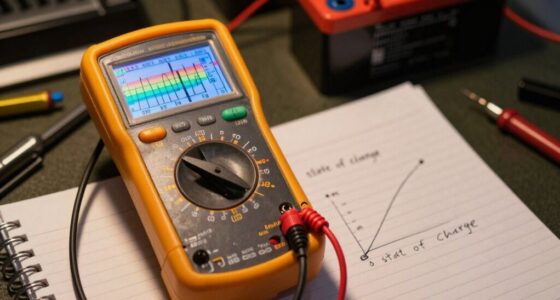
For fuse testing, you want reliable tools that give quick, accurate results. A multimeter is your best choice, allowing you to test fuse continuity and voltage with precision. A dedicated fuse tester provides simplicity and speed, especially for quick checks. When comparing tools, consider durability, ease of use, and accuracy. Both options are effective, but a multimeter offers more versatility, while a dedicated fuse tester is more straightforward for routine inspections.
How Does Temperature Affect Fuse Performance?
Temperature critically impacts fuse performance because fuse materials have specific temperature thresholds. When temperatures rise above these thresholds, fuses may melt prematurely or fail to blow when needed, risking damage or safety hazards. Conversely, low temperatures can make fuse materials less responsive, delaying circuit protection. Staying within ideal temperature ranges guarantees fuses operate reliably, protecting your wiring system effectively and preventing failures caused by temperature fluctuations.
wire gauge and load testing tools
As an affiliate, we earn on qualifying purchases.
As an affiliate, we earn on qualifying purchases.
Conclusion
To keep your wiring and fusing safe, stay vigilant and follow proper procedures. Avoid shortcuts and double-check connections regularly, because a chain is only as strong as its weakest link. Remember, it’s better to be safe than sorry—ignoring small issues today can lead to bigger problems tomorrow. Keep learning and practicing best practices, and you’ll prevent many common failures. After all, a stitch in time saves nine, so don’t wait until it’s too late.
As an affiliate, we earn on qualifying purchases.
As an affiliate, we earn on qualifying purchases.
Fall Picks
fall essentials
As an affiliate, we earn on qualifying purchases.