If you’re in a vehicle emergency, quickly grab your well-stocked first aid kit to address minor injuries with supplies like bandages, antiseptic wipes, and gloves. Stay calm, stabilize injured persons without unnecessary movement, and call emergency services if needed for severe injuries. Turn on hazard lights and set warning triangles to prevent further accidents. Knowing safety precautions and vehicle features helps you respond effectively. Keep these essentials in mind to stay prepared—more tips await if you continue exploring.

Get business pricing on garage and car supplies
- Business-only prices and quantity discounts
- Tax-exempt purchasing
- Multiple users, one account, clear invoices
Key Takeaways
- Keep a well-stocked emergency kit with essentials like bandages, antiseptic wipes, scissors, gloves, and a flashlight accessible in your vehicle.
- Ensure all occupants know basic safety procedures, including seat belt use, hazard light activation, and emergency response steps.
- Use hazard lights, warning triangles, or flares to increase visibility after an accident and prevent further collisions.
- Apply direct pressure with clean cloths to control bleeding and keep injured persons warm to prevent shock until help arrives.
- Call emergency services immediately for severe injuries and avoid moving injured individuals unless there’s an immediate danger.

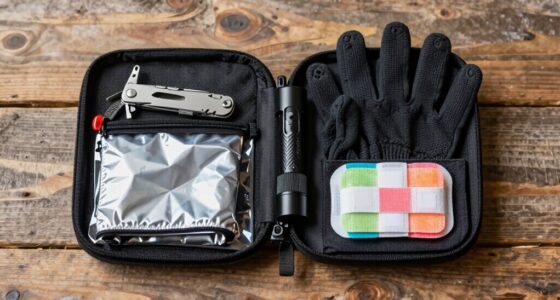
Have you ever wondered what to do if someone gets injured while traveling in a vehicle? It’s a situation that can happen unexpectedly, and being prepared makes all the difference. The key lies in having a well-stocked emergency kit and knowing basic safety precautions to act quickly and effectively. An emergency kit isn’t just a collection of supplies; it’s your first line of defense in managing injuries until professional help arrives. Make certain your kit includes essentials like bandages, antiseptic wipes, adhesive tape, scissors, gloves, and a flashlight. These items help you address minor injuries immediately, reducing the risk of infection and further complications.
Safety precautions are just as essential as having the right supplies. Before hitting the road, verify everyone in the vehicle knows how to respond in an emergency. This includes simple steps like checking that seat belts are properly fastened and understanding how to use safety features such as airbags. If an accident occurs, staying calm is imperative. Keep your focus on the injured person, and avoid moving them unless absolutely necessary, such as if the vehicle is on fire or in a dangerous position. Moving someone with potential spinal injuries can cause more harm, so it’s best to stabilize them as much as possible and wait for professional medical responders. Knowing vehicle safety features can further improve your response in emergencies. Being familiar with first aid procedures can help you provide immediate aid and prevent injuries from worsening. Additionally, understanding the importance of first aid training can significantly enhance your confidence and efficiency during emergencies.
Verify seat belts and safety features, stay calm, and avoid moving injured persons unless necessary.
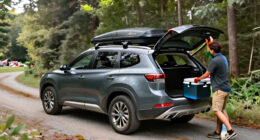
Your emergency kit should be easily accessible, ideally stored in an outside compartment or glove box, so you can reach it quickly during a crisis. Remember that safety precautions extend beyond the vehicle itself. If you’re involved in an accident, turn on your hazard lights to alert other drivers and prevent further collisions. If it’s safe, set up warning triangles or flares to make your vehicle more visible, especially at night or in poor weather conditions. Staying visible and alert helps protect everyone involved. Additionally, understanding the importance of biodiversity and how it relates to sustainable living practices can help foster a broader awareness of environmental safety and resilience. Knowing what to do in an emergency also means understanding when to seek professional medical help. If the injury appears severe—such as heavy bleeding, broken bones, or unconsciousness—call emergency services immediately. While waiting, apply pressure to stop bleeding with clean cloth or gauze, and keep the injured person comfortable and warm. Your preparedness, including a good emergency kit and adherence to safety precautions, guarantees you’re ready to handle vehicle-related injuries confidently. This knowledge can make all the difference in minimizing harm and providing immediate relief until help arrives.
By regularly reviewing first aid techniques and practicing emergency responses, you can boost your confidence and effectiveness in real situations, ensuring everyone’s safety during vehicle travel.
As an affiliate, we earn on qualifying purchases.
Frequently Asked Questions
What Should I Include in a Basic Vehicle First Aid Kit?
You should include essentials like bandages, antiseptic wipes, adhesive tape, pain relievers, and scissors for a basic vehicle first aid kit. Also, add gloves, a thermometer, and any personal medications. Emergency preparedness and travel safety tips emphasize having these supplies ready in case of minor injuries or emergencies on the road. Keep the kit in an accessible spot, and regularly check and replenish supplies to guarantee you’re prepared for unexpected situations.
How Often Should I Check and Update My Vehicle First Aid Supplies?
Think of your vehicle first aid kit as a garden that needs regular tending. You should check and update your supplies every 3 to 6 months, especially after trips or when items expire. This guarantees your emergency preparedness remains reliable, and your kit stays ready for unexpected needs. Regular kit maintenance keeps your safety tools sharp and effective, giving you confidence to handle emergencies confidently on the road.
Are There Any Legal Requirements for Vehicle First Aid Kits?
Yes, there are legal requirements for vehicle first aid kits in some regions. You need to make certain your kit complies with local regulations, which specify the contents and packaging. For example, certain countries or states mandate specific items or kit regulations to promote safety. To stay compliant, regularly check your kit’s contents and update it as needed, preventing legal issues and ensuring you’re prepared for emergencies.
How Can I Safely Assist Someone With a Head Injury in a Car?
Imagine your hands as guardians—when assisting a person with a head injury, start with a trauma assessment to check responsiveness and airway. Keep their head and neck stabilized to prevent further injury. Call emergency response right away. Avoid moving them unnecessarily, and monitor for signs of shock. Your calm, careful approach can make a critical difference until professional help arrives, ensuring safety and proper care.
What Should I Do if Someone Has a Severe Allergic Reaction While Driving?
If someone has a severe allergic reaction while driving, pull over safely immediately. Recognize allergy symptoms like swelling, difficulty breathing, or dizziness. Administer their emergency medication, such as an epinephrine auto-injector, if available, and help them use it correctly. Keep them calm and monitor their breathing closely. Call emergency services right away for professional help, ensuring they get the urgent care they need.
car emergency kit with bandages and antiseptic wipes
As an affiliate, we earn on qualifying purchases.
As an affiliate, we earn on qualifying purchases.
Conclusion
So, next time you’re on the road, remember that a small first aid kit isn’t just a precaution—it’s your unexpected lifeline. That bandage or antiseptic wipe you toss in might just be what saves the day, or at least keeps a minor mishap from turning into a bigger one. It’s funny how life’s little coincidences—like needing a quick fix—highlight the importance of being prepared. Stay safe, stay ready, and trust that you’ve got this covered.
As an affiliate, we earn on qualifying purchases.
As an affiliate, we earn on qualifying purchases.
Halloween Picks
halloween
As an affiliate, we earn on qualifying purchases.