To predict crimp failure, you should focus on tensile strength testing, which measures how much force the crimp can withstand before breaking or loosening. This test guarantees your crimp is mechanically sound and can endure long-term use and stress. Proper testing reveals weak spots early, helping you adjust techniques or tools for better quality. Keep exploring to discover how integrating testing into your process boosts reliability and safety in your connections.

Get business pricing on garage and car supplies
- Business-only prices and quantity discounts
- Tax-exempt purchasing
- Multiple users, one account, clear invoices
Key Takeaways
- The primary test predicts failure by measuring the maximum force a crimp can withstand before loosening or breaking.
- Proper testing equipment ensures consistent assessment of crimp strength aligned with material properties.
- Adjustments in crimping parameters are based on test results to improve mechanical reliability.
- Regular testing detects weak points early, preventing long-term failures and safety hazards.
- Integrating standardized tests enhances overall quality, durability, and compliance of electrical connections.
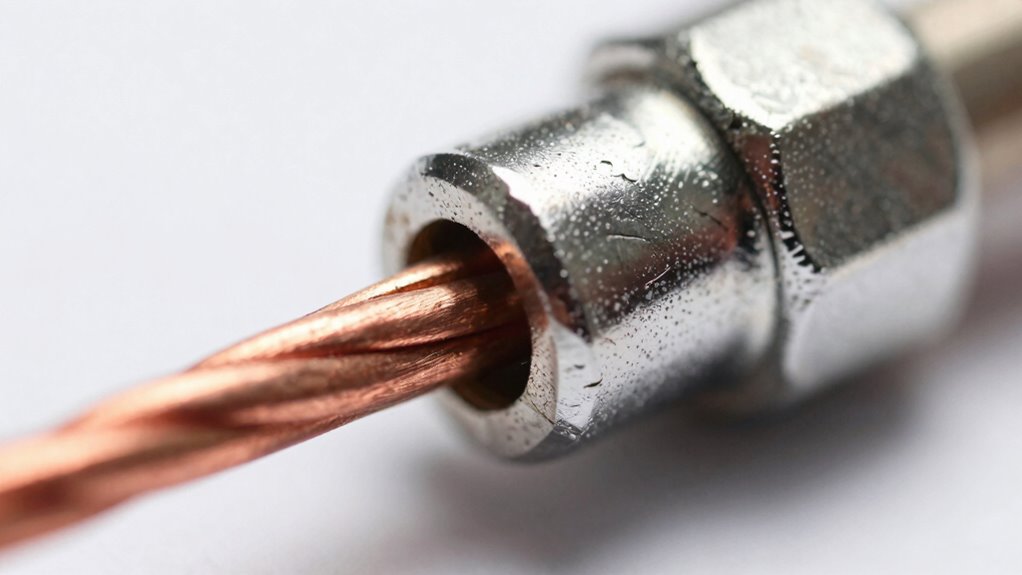
Ever wondered what makes a crimp reliable and secure? It all comes down to understanding the fundamentals of crimp quality, especially the significance of proper testing. When you’re working with different wire materials, you need to guarantee that your crimp will hold up under stress, vibrations, and environmental factors. The wire material plays a vital role here because some metals are more flexible or prone to fatigue than others. Copper, for instance, is highly conductive and malleable, but it can also deform if the crimp isn’t done correctly. Aluminum, on the other hand, requires a different approach because it’s softer and more prone to cracking. Knowing the properties of your wire material guides you in selecting the right crimping technique and tools, but it’s equally important to verify the quality through proper testing equipment. Proper testing procedures help ensure that your crimps are mechanically sound and reliable. Testing equipment becomes your best ally in predicting whether a crimp will fail or hold strong over time. When you use specialized testing equipment, you can measure the maximum force a crimp can withstand before breaking or loosening. This process helps you identify weak points and guarantees that every connection meets your quality standards. Investing in proper testing equipment isn’t just about compliance; it’s about confidence. Knowing your crimps are tested means you can trust your connections to perform reliably, even in harsh conditions. Incorporating standardized testing methods into your quality assurance process ensures consistency and accuracy across all your crimps. Conducting regular testing and inspection also helps catch issues early, saving time and resources in the long run. Additionally, understanding the properties of wire materials allows you to tailor your testing methods to better simulate real-world conditions. For example, understanding how different metals respond to stress can help you select the appropriate testing parameters for each wire type. The key to consistent crimp quality is integrating testing into your routine process. After you perform the initial crimp, run it through the testing equipment. If it passes the strength threshold, you can proceed with confidence. If it doesn’t, you need to adjust your crimping parameters—such as pressure, die selection, or wire preparation—to improve the quality. Remember, the goal isn’t just to create a visually perfect crimp but to guarantee it’s mechanically sound. Properly tested crimps reduce the risk of failure, which can lead to costly repairs, safety hazards, or system downtime.
As an affiliate, we earn on qualifying purchases.
Frequently Asked Questions
How Does Temperature Affect Crimp Quality?
Temperature effects crimp quality by influencing the materials’ flexibility and adhesion. When you expose crimps to high temperatures, it can weaken the crimp, reducing its durability and risking failure. Conversely, low temperatures may make the materials brittle, leading to cracks or poor connections. To guarantee crimp durability, you should control temperature during crimping processes and testing, maintaining ideal levels for the materials used.
What Tools Are Best for Testing Crimp Strength?
Think of testing crimp strength as putting your tools through their paces. The best tools for evaluating crimp durability include a force gauge or a crimp pull tester, both providing precise measurements. Always verify your tools are calibrated; a misaligned gauge is like a broken clock—worthless. These tools give you reliable results, helping you identify weak crimps before they fail, ensuring your connections stay solid.
Can Crimp Quality Vary Between Different Cable Types?
Yes, crimp quality can vary between different cable types due to cable compatibility and material variations. Different cables require specific crimping techniques and tools to make a solid connection. Materials like copper, aluminum, or different insulation types affect how well a crimp holds. You need to choose the right tools and methods for each cable type to assure excellent crimp quality and prevent potential failures.
How Often Should Crimp Tests Be Performed?
You should perform crimp inspection regularly, ideally after every batch or shift, to guarantee consistent quality. The test frequency depends on your production volume and the criticality of the application; high-volume or safety-sensitive cables need more frequent testing. Establish a schedule based on your quality standards, and always perform crimp tests before shipping or deploying new cable lots. Consistent testing helps catch issues early and maintains reliable connections.
What Common Mistakes Lead to Poor Crimp Quality?
You often make mistakes during crimp inspection that harm quality assurance. Common issues include using incorrect tools or settings, rushing the process, and neglecting proper preparation or cleaning of materials. Poor technique or inconsistent pressure also weaken the crimp. To guarantee high quality, double-check your setup, follow standardized procedures, and regularly calibrate your equipment. This proactive approach helps prevent failures and maintains reliable, durable electrical connections.
crimping quality testing equipment
As an affiliate, we earn on qualifying purchases.
As an affiliate, we earn on qualifying purchases.
Conclusion
Remember, paying close attention to crimp quality isn’t just about avoiding setbacks — it’s about nurturing the trust your connections rely on. While no test can guarantee perfection, consistently checking your crimps helps you catch small issues before they become bigger concerns. Embrace this simple step with care, and you’ll build a foundation that’s both strong and dependable. Your dedication to quality today ensures smoother journeys tomorrow, fostering confidence in every connection you make.
As an affiliate, we earn on qualifying purchases.
As an affiliate, we earn on qualifying purchases.
Halloween Picks
halloween
As an affiliate, we earn on qualifying purchases.