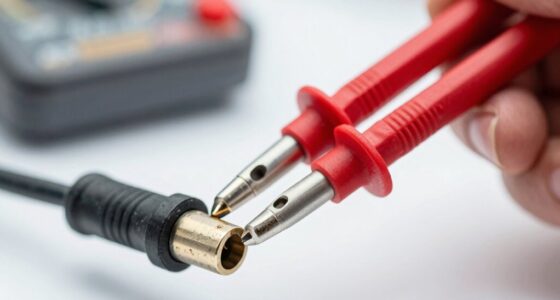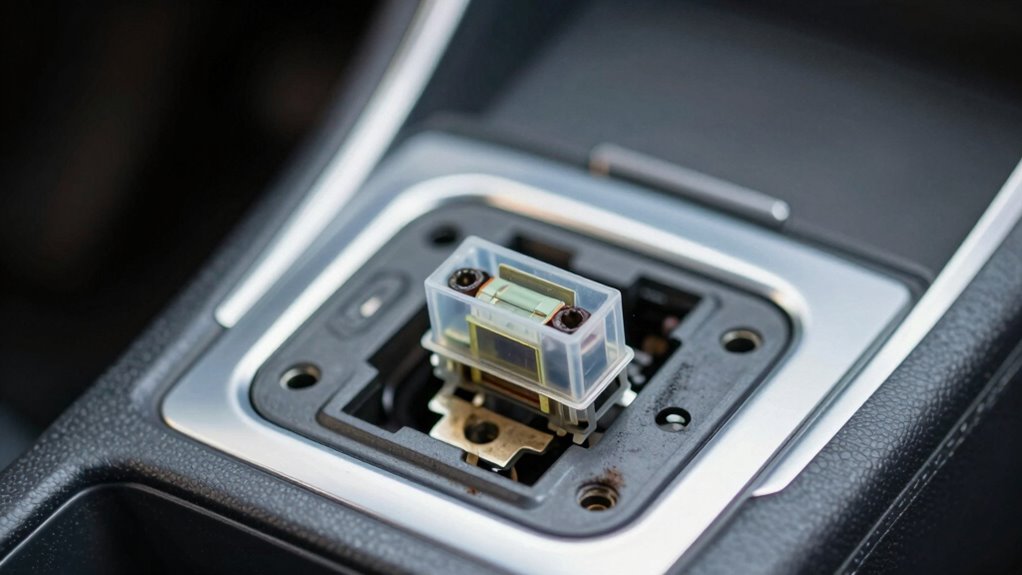

Your 12V socket pops fuses mainly because of overloading, faulty devices, or wiring problems that cause excessive current flow. Using devices that draw more than the socket’s capacity, short circuits, or damaged wiring can all lead to fuse blows. Always verify the fuse matches the manufacturer’s specifications and check for corrosion or damage in the wiring. Keep these tips in mind, as understanding the causes can help you fix the issue properly.

Get business pricing on garage and car supplies
- Business-only prices and quantity discounts
- Tax-exempt purchasing
- Multiple users, one account, clear invoices
Key Takeaways
- Overloading the socket with high-current devices can cause fuse blowing.
- Damaged or faulty devices may create short circuits, leading to fuse failure.
- Wiring issues like corrosion or shorts increase the risk of blown fuses.
- Using a fuse with an incorrect amperage rating can cause frequent blowing or damage.
- Persistent fuse blowing indicates underlying wiring or circuit problems needing professional inspection.
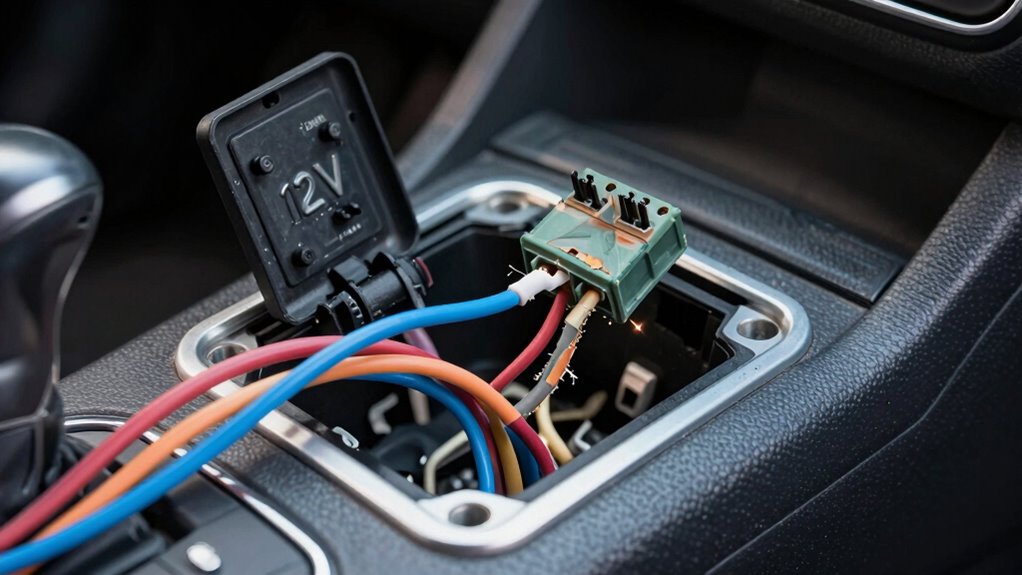
Ever wonder why your 12V socket keeps popping fuses? It’s a frustrating problem, and it often comes down to a few common issues. One key reason is battery drain. When a device plugged into the socket draws more current than the fuse is designed to handle, it can cause the fuse to blow repeatedly. This usually happens if the device is faulty or if there’s a short circuit somewhere in the wiring. Over time, a device that’s incompatible with the socket’s capacity may cause overcurrent situations, leading to blown fuses and leaving you puzzled about what went wrong.
Repeated fuse blows often stem from faulty devices or wiring shorts causing overcurrent issues.
Another factor to contemplate is fuse compatibility. Not all fuses are created equal, and using the wrong type or rating for your 12V socket can cause frequent blowouts. The fuse rating should match the manufacturer’s specifications—using a fuse with a higher amperage rating might seem like a quick fix, but it increases the risk of damaging your vehicle’s wiring or causing a fire. Conversely, a fuse with too low a rating may blow even under normal operation, making it seem like something’s wrong when it’s just the wrong fuse installed. Always verify the fuse type and rating in your vehicle’s manual before replacing it.
To fix the issue effectively, start by inspecting the devices you’re plugging in. Remove all devices and see if the fuse still blows when the socket is empty. If it does, the problem is likely with the socket wiring or the fuse itself. Check the wiring for any visible damage or corrosion, which can cause inconsistent contact and lead to short circuits. If the wiring looks good, try replacing the fuse with one that matches the specified rating—never go higher or lower than recommended. When selecting a new fuse, opt for one with the correct amperage and type, ensuring compatibility with your vehicle’s electrical system.
If replacing the fuse and checking the wiring doesn’t solve the problem, deliberate whether your battery is draining excessively or if there’s a hidden short somewhere in the circuit. Excessive battery drain might cause voltage fluctuations, which can blow fuses unexpectedly. It’s also worth consulting a professional if you suspect a wiring fault or if you’re unsure about fuse compatibility. Proper diagnosis can prevent future fuse blows and protect your vehicle’s electrical system, saving you money and hassle in the long run. Additionally, understanding your vehicle’s electrical system can help you identify underlying issues that contribute to fuse problems.
As an affiliate, we earn on qualifying purchases.
Frequently Asked Questions
Can a Faulty Device Cause My Fuse to Blow?
Yes, a faulty device can cause your fuse to blow. When the device has an electrical overload or isn’t compatible with your socket, it draws too much current, triggering the fuse to protect the circuit. Always check device compatibility before plugging in and avoid using damaged or malfunctioning devices. This helps prevent fuse blows, protecting your vehicle’s electrical system from potential damage.
How Often Should I Check My 12V Socket for Issues?
You should check your 12V socket at least once every three to six months. Statistically, corrosion buildup and voltage fluctuations are common causes of issues, and regular inspections catch these problems early. Look for signs of corrosion or loose connections, and test for inconsistent voltage. Addressing these issues promptly prevents fuse blows and keeps your socket working smoothly, saving you time and potential costly repairs down the line.
Are Aftermarket 12V Sockets More Prone to Blowing Fuses?
Yes, aftermarket 12V sockets can be more prone to blowing fuses, especially if they lack proper aftermarket compatibility or aren’t matched with the correct fuse ratings. Poor-quality sockets or incompatible designs may draw excessive current, causing fuses to blow. To prevent this, make certain you select a socket with appropriate fuse ratings and verify its compatibility with your vehicle, reducing the risk of fuse blows and electrical issues.
What Safety Precautions Should I Take When Fixing Fuses?
Picture safety as your shield when fixing fuses—don’t let sparks fly unchecked. You should always disconnect the battery first to prevent electrical shocks. Use insulated tools to avoid accidental shorts, and wear safety goggles to protect your eyes from sparks or debris. Follow electrical safety guidelines meticulously, and double-check fuse ratings before replacing. These precautions keep you safe while ensuring your repair’s success, like a steady hand through the storm.
Will Replacing the Fuse Fix Underlying Electrical Problems?
Replacing the fuse won’t fix underlying electrical problems, as fuse durability is only a temporary solution. It’s essential to conduct proper electrical troubleshooting to identify and repair the root cause of the fuse blowing. If you ignore the underlying issue, the fuse may continue to blow, risking damage to your vehicle’s wiring or components. Always diagnose the problem thoroughly before replacing a fuse to guarantee a long-term fix.
As an affiliate, we earn on qualifying purchases.
Conclusion
In the end, a blown fuse is like a warning shot across your vehicle’s bow—telling you something’s amiss. By understanding the common causes and checking your connections, you can prevent future blowouts. Think of it as tending to a garden: with proper care and attention, your 12V socket will stay lively and functional. Keep an eye on those fuses, and your car’s power system will serve you smoothly, like a well-tuned symphony.
As an affiliate, we earn on qualifying purchases.
As an affiliate, we earn on qualifying purchases.
Halloween Picks
halloween
As an affiliate, we earn on qualifying purchases.