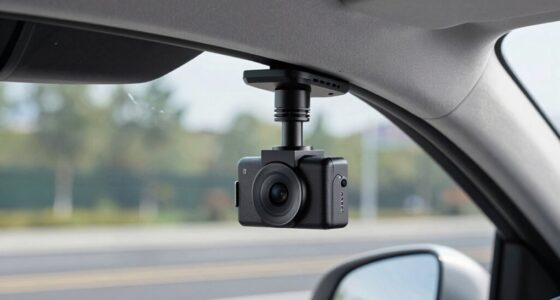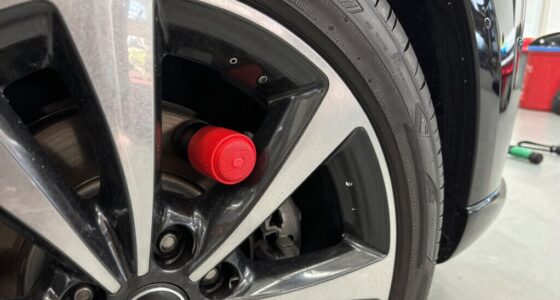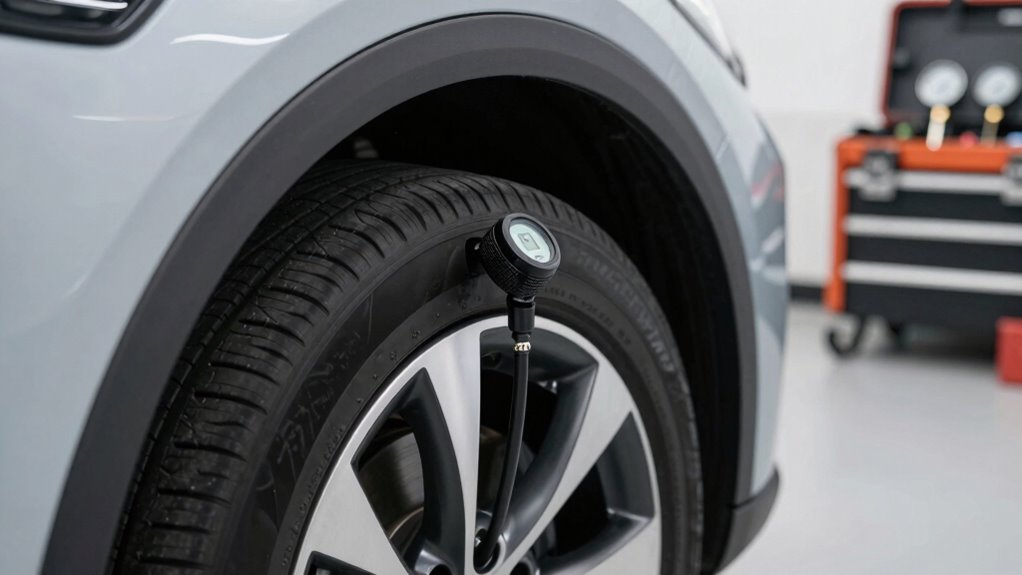

To become proficient with TPMS as a daily driver, start by understanding how calibration works and regularly check sensor health. Keep an eye on battery life and replace sensors when needed, as this prevents false alerts and guarantees accurate readings. Environmental factors like temperature can affect sensor accuracy, so recalibrate periodically. Staying informed about the latest industry upgrades helps you choose reliable systems. Keep exploring to master maintaining a safe, efficient tire pressure system.

Get business pricing on garage and car supplies
- Business-only prices and quantity discounts
- Tax-exempt purchasing
- Multiple users, one account, clear invoices
Key Takeaways
- Start with understanding basic tire pressure calibration and sensor functions for accurate TPMS readings.
- Regularly monitor sensor health and battery life to prevent unexpected failures.
- Recalibrate sensors periodically to account for environmental factors and calibration drift.
- Maintain sensors and batteries proactively to ensure system reliability and vehicle safety.
- Stay informed on industry advancements to upgrade to newer, more accurate TPMS technologies.

If you drive daily, understanding and using a Tire Pressure Monitoring System (TPMS) can considerably improve your safety and vehicle performance. One of the first things you’ll want to master is tire pressure calibration. Proper calibration ensures that your system accurately detects when your tires are underinflated or overinflated. It’s a straightforward process—usually involving a few steps in your vehicle’s settings menu or, in some cases, manually resetting the sensor after adjusting your tire pressures. When your TPMS is correctly calibrated, it minimizes false alarms and helps you maintain optimal tire pressure, which improves fuel efficiency, tire longevity, and safety on the road. Regularly monitoring sensor health can also help you catch issues before they become bigger problems. Understanding the sensor battery life cycle is also important, as it can affect your system’s overall reliability over time. Additionally, staying aware of sensor calibration drift can ensure your system remains accurate over the years. Keep in mind that environmental factors like temperature changes can influence sensor readings, so being aware of these influences can help you interpret data more accurately. The quality of your sensors and their installation can also impact overall system performance and longevity.
As you get more comfortable with the system, it’s important to understand the lifespan of your sensor battery. Most TPMS sensors are powered by small, long-lasting batteries designed to last several years—often between 5 to 10 years—before needing replacement. Keep an eye on sensor battery life because once the battery dies, the sensor stops transmitting signals, and your system may no longer alert you to tire issues. Some vehicles display a warning light or message when a sensor battery is low, so stay attentive to these alerts. Replacing sensors or batteries can be a cost-effective way to keep your system functioning properly without needing a full sensor replacement. Knowing the typical lifespan of your sensor batteries helps you plan maintenance and avoid unexpected surprises on the road.
Getting accustomed to the calibration process and monitoring sensor battery life takes your TPMS knowledge from beginner to pro. It’s crucial because, over time, sensors may drift out of calibration, causing inaccurate pressure readings. Regularly checking and recalibrating your system ensures that you’re always receiving correct information, which is vital for safety and efficiency. Additionally, understanding how long your sensors last allows you to budget for replacements proactively, preventing any lapses in your vehicle’s monitoring capabilities. The more familiar you become with these details, the more confident you’ll feel in maintaining your system and ensuring your tires are always in prime condition.
In the end, mastering tire pressure calibration and keeping an eye on sensor battery life are key steps in elevating your TPMS skills. They help you avoid common pitfalls, like false alarms or unnoticed tire issues, and keep your vehicle running smoothly. Whether you’re just starting or aiming to become a TPMS pro, these practices put you in control, making every drive safer and more efficient. Staying informed about industry insights related to TPMS technology can also help you stay ahead of potential upgrades or safety features that may benefit your vehicle. Being aware of industry trends can guide you in choosing the most reliable and advanced systems for future upgrades.
As an affiliate, we earn on qualifying purchases.
Frequently Asked Questions
How Often Should I Calibrate My TPMS?
You should calibrate your TPMS sensor whenever you change your tire pressure or notice inconsistent readings. Regularly check your tire pressure and perform sensor calibration at least once a month to guarantee accurate monitoring. Proper calibration helps maintain ideal tire pressure, extending tire life and improving fuel efficiency. Remember, sensor calibration is essential after tire rotations, replacements, or if the TPMS warning light comes on unexpectedly.
Can TPMS Be Installed on Any Vehicle?
Think of installing a TPMS like fitting a key to a lock—it needs the right match. Yes, TPMS can be installed on most vehicles, but sensor compatibility is crucial. You’ll want to check your vehicle’s make and model and follow proper installation procedures to guarantee the sensors work correctly. If you choose the right system and follow the steps, you’ll have a smooth, reliable upgrade to your vehicle’s safety features.
What Is the Lifespan of a Typical TPMS Sensor?
A typical TPMS sensor lasts about 5 to 10 years, but this depends on sensor maintenance and driving conditions. You should monitor the sensor’s performance regularly, watch for warning lights, and replace sensors at the recommended intervals to guarantee safety. Harsh weather or rough roads can shorten their lifespan, so stay proactive with maintenance to avoid unexpected failures and costly replacements down the line.
Are There Any Legal Requirements for TPMS in My Country?
You need to check your country’s legal compliance and sensor regulations regarding TPMS. Many countries require vehicles to have functioning TPMS systems to meet safety standards, especially for new cars. Failing to comply could lead to fines or failed inspections. Make certain your TPMS system adheres to local regulations, and regularly verify that your sensors are working properly to stay within legal requirements and ensure your safety on the road.
How Does Cold Weather Affect TPMS Accuracy?
Imagine you’re driving in freezing temperatures, and suddenly your TPMS warning light flashes. Cold weather can cause sensor accuracy issues because low temperatures reduce tire pressure naturally, triggering false alerts. Plus, cold can weaken sensor batteries over time, leading to less reliable readings. To stay safe, regularly check your tire pressures manually during winter and consider upgrading to sensors designed for cold climates, ensuring your TPMS stays accurate no matter the weather.
As an affiliate, we earn on qualifying purchases.
Conclusion
Understanding and maintaining your TPMS isn’t just about following a trend—it’s about safety and saving money. Did you know that properly functioning TPMS can reduce the risk of blowouts by alerting you to low tire pressure early? By mastering the basics, you’ll become a confident driver, preventing costly repairs and ensuring safe travels every day. Keep learning and stay vigilant—your tires, and your wallet, will thank you.
vehicle tire pressure monitoring system
As an affiliate, we earn on qualifying purchases.
As an affiliate, we earn on qualifying purchases.
As an affiliate, we earn on qualifying purchases.
Fall Picks
fall essentials
As an affiliate, we earn on qualifying purchases.