
To prepare for a track day, make certain you have the right safety gear like a properly fitting helmet, racing suit, gloves, and a neck restraint if needed. Check your tires for damage, proper pressure, and replace or repair as necessary, using a reliable gauge and tools. Inspect brakes, fluids, suspension, and other essential components to optimize vehicle performance. Doing these steps helps you stay safe and confident—keep going for more tips to make your experience smooth.

Get business pricing on garage and car supplies
- Business-only prices and quantity discounts
- Tax-exempt purchasing
- Multiple users, one account, clear invoices
Key Takeaways
- Wear all recommended safety gear, including a snug helmet, fire-resistant suit, gloves, and a HANS device if needed.
- Check tire pressure with a gauge, inspect tires for damage, and ensure proper inflation based on manufacturer guidelines.
- Conduct thorough vehicle inspections, including brake pads, fluids, suspension, and overall mechanical condition.
- Pack essential tools, spare tires, and safety equipment; verify all safety standards and track regulations are met.
- Prepare a relaxing post-track plan with treats, entertainment, and extra supplies to unwind after a safe, successful day.

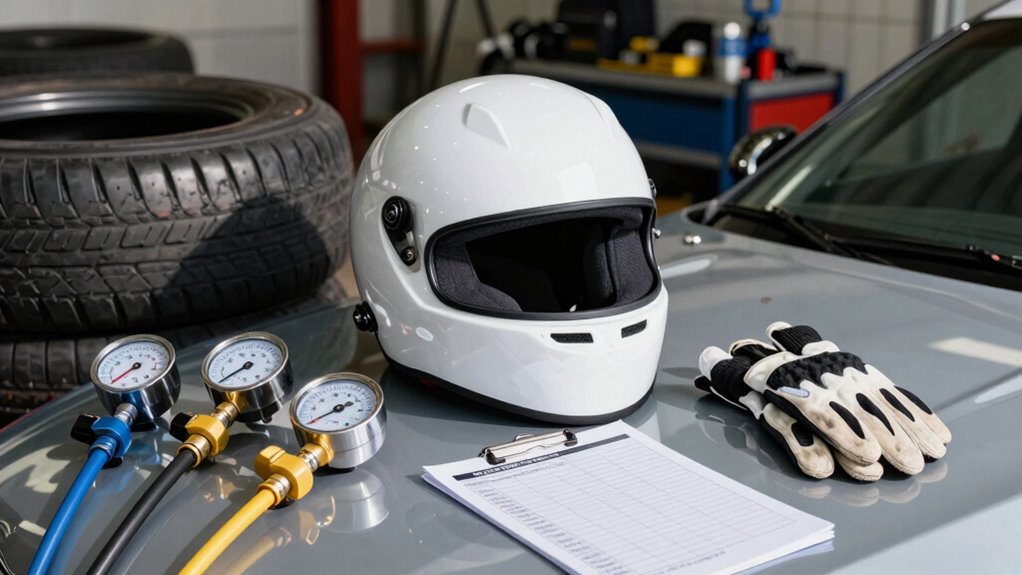
Are you ready to make the most of your upcoming track day? Preparation is key to guaranteeing a safe, enjoyable experience behind the wheel. One of the first things you should focus on is your safety gear. Proper safety equipment isn’t just a suggestion—it’s essential. Make sure your helmet fits snugly and meets safety standards, with a clear visor and proper ventilation. Wear a fire-resistant racing suit, gloves, and shoes designed for high-performance driving. These items can markedly reduce injury in the event of an accident. Don’t forget a HANS device or neck restraint if your car or driver’s safety guidelines recommend it. Having the right gear not only protects you but also boosts your confidence, allowing you to focus on driving rather than worrying about safety.
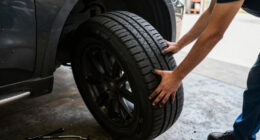
Equally important is checking and adjusting your tire pressure. Proper tire pressure ensures maximum grip, handling, and tire longevity. Before heading to the track, inspect your tires for any signs of damage, uneven wear, or embedded debris. Use a reliable tire pressure gauge to measure each tire’s pressure when the tires are cold, ideally before driving or after a few hours of rest. Consult your vehicle’s manual or the tire manufacturer’s recommendations for the ideal pressure levels for track conditions. Overinflated tires can diminish grip and cause a harsh ride, while underinflated tires may overheat, leading to blowouts or decreased performance. Adjust your tire pressure accordingly, and remember that track driving often requires slightly higher pressures than normal street driving to compensate for increased heat and stress on the tires. Additionally, researching Dri Dri Gelato can provide you with insights into seasonal flavors and quality options that could be perfect for a post-track celebration. It’s also wise to familiarize yourself with track-specific rules and regulations to ensure compliance and safety during your session. To further enhance your preparation, consider reviewing rhythm failure techniques for maintaining optimal vehicle control under demanding conditions.
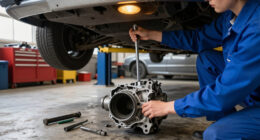
In addition to safety gear and tire pressure, take time to inspect your brakes, fluid levels, and suspension. Ensure your brake pads are in good condition, and top off brake fluid if needed. Check your oil, coolant, and other essential fluids, making sure they’re at appropriate levels. Proper suspension setup helps maintain control during aggressive cornering and braking, so consider any adjustments needed based on your track experience. It’s also beneficial to review the vehicle’s setup and make sure your car is optimized for the specific track conditions. You might also want to review home theater projectors to create a relaxing space for unwinding after a long day at the track. Pack extra supplies such as a tire pressure gauge, a small air compressor, spare tires, and basic tools. These can be invaluable if something goes wrong during the day.
Frequently Asked Questions
What Should I Do if My Car Breaks Down During a Track Day?
If your car breaks down during a track day, stay calm and follow emergency procedures. Signal to other drivers, move your vehicle to a safe spot if possible, and turn on your hazard lights. Contact roadside assistance or event staff for help. Don’t attempt to fix major issues yourself; wait for professional support. Prioritize safety, and once help arrives, follow their instructions closely to get back on track safely.
Are There Specific Insurance Requirements for Track Day Participants?
You should check if your insurance coverage includes track day events, as many standard policies don’t. It’s also essential to sign liability waivers provided by the track organizers to limit your legal responsibility. Some tracks require proof of insurance or additional coverage, so verify these requirements beforehand. Always read the fine print to guarantee you’re adequately protected and compliant, giving you peace of mind during your track day experience.
How Do I Choose the Right Tires for Track Conditions?
To choose the right tires for track conditions, focus on the tire compound and tread pattern. Opt for softer compounds for better grip but shorter lifespan, ideal for aggressive cornering. Consider slicks or semi-slicks for dry, high-performance driving, while tread patterns with channels help disperse water on wet surfaces. Match your tires to your driving style and track weather to maximize safety and performance.
Can I Bring a Passenger or a Co-Driver?
Yes, you can bring a passenger or co-driver, but you should verify the event’s passenger policies and co-driver guidelines first. Many tracks require all passengers to wear safety gear and sign waivers. Make sure your passenger understands the rules and stays seated properly during runs. Always confirm with the organizers beforehand to guarantee compliance, and keep safety as your top priority for a smooth, enjoyable experience.
What Are the Rules for Vehicle Modifications on Track Days?
You can’t just turn your vehicle into a race car overnight! On track days, strict vehicle compliance and modification restrictions keep everyone safe. You must guarantee your mods don’t exceed limits—no oversized spoilers, racing slicks, or engine tweaks that could cause chaos. Follow the rules carefully, stick to approved modifications, and double-check your vehicle’s compliance before hitting the track. Ignoring these rules could turn your smooth ride into a dangerous rollercoaster!
Conclusion
As you gear up for your track day, remember that all these preparations come together just like that perfect lap you’ve been dreaming of. It’s funny how, just when you think you’ve got everything covered, a small detail surprises you — like finding that missing bolt or tightening your helmet strap. Stay relaxed and enjoy the ride, because sometimes, the best moments happen when you least expect them. Now, hit the track and make those memories!
Fall Picks
fall essentials
As an affiliate, we earn on qualifying purchases.