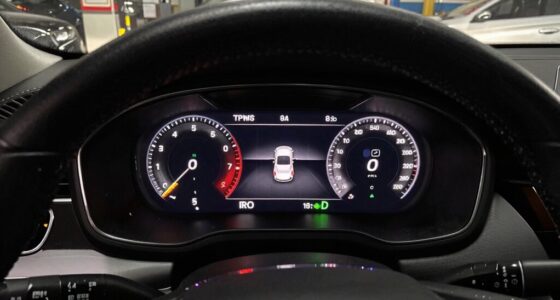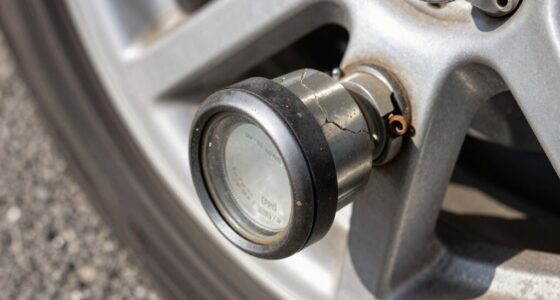

A P0420 code signals that your car’s emissions system detects the catalytic converter isn’t working efficiently, but it doesn’t always mean it’s completely failed. Faulty sensors, dirt, or installation issues with aftermarket parts can cause false triggers. Sometimes, the converter is still functioning well, but data shows decreased performance. If you want to understand what causes this code and how to address it properly, there’s more to uncover below.

Get business pricing on garage and car supplies
- Business-only prices and quantity discounts
- Tax-exempt purchasing
- Multiple users, one account, clear invoices
Key Takeaways
- P0420 indicates reduced catalytic converter efficiency, often caused by sensor issues or genuine catalyst deterioration.
- Faulty or dirty oxygen sensors can falsely trigger P0420 without actual catalyst failure.
- Aftermarket catalysts may cause false P0420 codes if not properly matched or installed.
- The code usually signals decreased performance, not total catalytic converter failure.
- Proper diagnosis involves inspecting sensors first, then evaluating the catalyst before replacement.

Have you ever wondered how industries measure the effectiveness of their catalysts? When it comes to your vehicle, that process involves monitoring the performance of the catalytic converter through various codes and sensors. One common code you might see is P0420, which indicates a problem with the catalyst’s efficiency. But understanding what this code truly means requires knowing how the system works and what can cause it to trigger. It’s important to recognize that sensor malfunctions can sometimes mislead the system, causing false alarms or incorrect readings. For instance, if your oxygen sensors are faulty or dirty, they might send inaccurate data to the engine control unit (ECU), making it think the catalyst isn’t working properly even if it’s functioning fine. This is especially relevant if you’ve recently installed aftermarket catalysts, which can sometimes not be perfectly compatible with your vehicle’s original sensors or system calibration. In such cases, sensor malfunctions or improper installation might cause the P0420 code to appear, even if the catalyst itself is still effective.
Additionally, the monitoring process used by the vehicle’s onboard diagnostics system relies heavily on sensor accuracy, meaning that even minor issues can lead to diagnostic trouble codes like P0420 being triggered. When your vehicle’s onboard diagnostics (OBD) system detects that the catalytic converter isn’t reducing emissions as it should, it sets the P0420 code. This code doesn’t necessarily mean your catalyst is completely dead; it often points to a decrease in efficiency that could be caused by contamination, damage, or deterioration over time. However, it’s *vital* to understand that aftermarket catalysts, while sometimes necessary due to cost or availability, may not always match the specifications of the original equipment manufacturer (OEM) parts. If the aftermarket catalyst isn’t an exact fit or isn’t designed for your car’s system, it can lead to misreadings from the sensors or even trigger the P0420 code erroneously. Additionally, sensor malfunctions can exacerbate these issues, making it seem like the catalyst is failing when the real problem lies elsewhere.
To accurately diagnose the cause behind a P0420 code, you should consider inspecting the sensors for damage or dirt and ensuring they’re functioning correctly. If your sensors are working properly, but the code persists, it might be time to evaluate the condition of the catalytic converter itself. Remember, not all catalysts are created equal—some aftermarket options might not meet the same standards as OEM parts, and their performance can vary. Sometimes, replacing the sensors or cleaning them can resolve the issue without replacing the catalyst. But if the catalyst is genuinely worn out or damaged, replacing it with a high-quality OEM or compatible part is the best way to restore your vehicle’s efficiency and pass emissions tests. Ultimately, understanding what triggers the P0420 code helps you make informed decisions and avoid unnecessary repairs.
Frequently Asked Questions
Can P0420 Codes Cause Engine Damage Over Time?
P0420 codes don’t directly cause engine damage, but ignoring them can harm your catalyst’s longevity and reduce engine performance over time. A faulty catalyst can lead to increased emissions, potentially straining other engine components. If left unaddressed, this may cause long-term issues that could damage your engine. Regular maintenance and timely repairs help guarantee ideal catalyst function, protecting your engine and maintaining peak performance.
How Often Should I Check My Catalyst Efficiency Codes?
You should check your catalyst efficiency codes during regular sensor inspections, ideally every 6 to 12 months, or before emission testing. Monitoring these codes helps you catch potential issues early, saving you from costly repairs later. If you notice trouble codes like P0420, get your catalytic converter checked promptly. Regularly inspecting sensors and staying on top of emission tests guarantees your vehicle runs efficiently and stays compliant with regulations.
Are There Any DIY Fixes for P0420 Errors?
Think of your car’s exhaust system as a garden hose with tiny leaks. For P0420 errors, you can try DIY troubleshooting by cleaning or replacing the upstream and downstream O2 sensors, which often act like filters. Sometimes, catalytic converter repairs are needed, but minor fixes like sensor cleaning or tightening connections can temporarily improve performance. Just remember, if issues persist, consulting a mechanic guarantees your engine stays healthy.
Do All Vehicles Display the Same Catalyst Efficiency Codes?
No, not all vehicles display the same catalyst efficiency codes because of vehicle variation and diagnostic differences. Different makes and models may use distinct codes or interpretations for catalyst efficiency issues. You should check your vehicle’s specific diagnostic system and manual, as code definitions and display methods can vary widely. This guarantees you accurately identify and address the problem, avoiding confusion caused by differing code standards across vehicles.
How Long Can I Drive With a P0420 Warning Before Repairs Are Urgent?
You can usually drive a few hundred miles with a P0420 warning, but it’s not safe to delay repairs. Ignoring this code can harm your vehicle’s lifespan and lead to more costly repairs later. When you see the warning, consider repair urgency carefully. Promptly addressing the issue helps maintain ideal performance, saves money, and prevents further damage to your catalytic converter or other engine components.
Conclusion
Understanding what a P0420 code really means can save you time and unnecessary repairs. While it often points to a failing catalytic converter, it might also be triggered by sensor issues or exhaust leaks. Don’t jump to conclusions; sometimes, simple fixes do the trick. Investigate thoroughly or consult a professional to confirm the root cause. This way, you avoid costly replacements and keep your vehicle running smoothly.
Halloween Picks
halloween
As an affiliate, we earn on qualifying purchases.