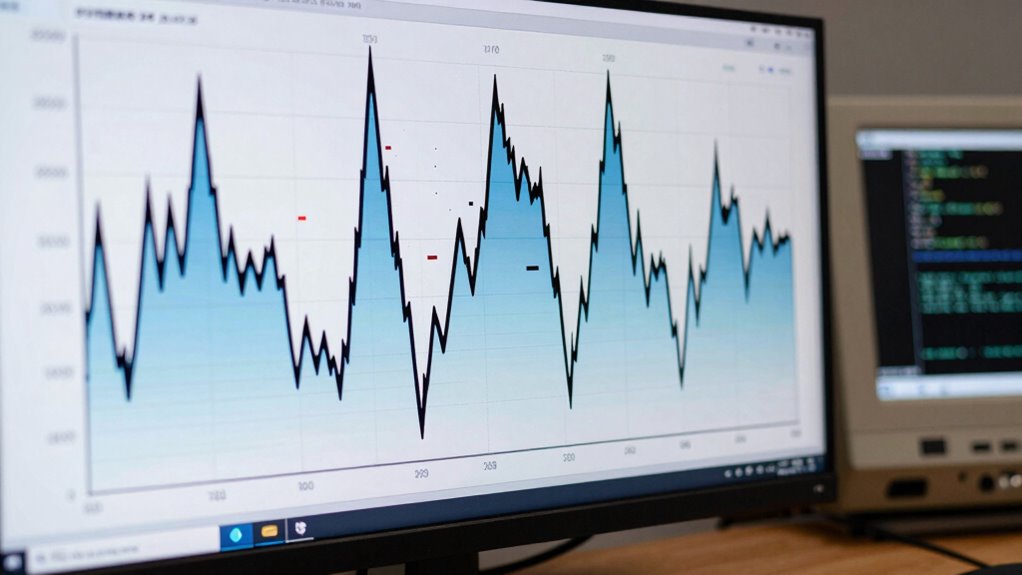

To capture intermittent sensor glitches, you should set up continuous data logging with specialized tools or aftermarket scan devices. Drive under normal conditions, especially when symptoms occur, and record multiple sensor parameters simultaneously. Analyze the logs to identify irregularities, fluctuations, or anomalies in the sensor signals. Graphing this data makes patterns easier to spot, helping you diagnose the problem more accurately. Keep going to discover how combining calibration with data logging can solve these elusive issues.

Get business pricing on garage and car supplies
- Business-only prices and quantity discounts
- Tax-exempt purchasing
- Multiple users, one account, clear invoices
Key Takeaways
- Use data logging tools to record multiple sensor signals during normal operation and symptom episodes.
- Drive under typical conditions when issues occur to capture relevant intermittent data.
- Analyze logged data visually by graphing sensor signals to identify irregular fluctuations.
- Correlate sensor anomalies with specific driving events or conditions to pinpoint glitches.
- Ensure sensors are properly calibrated beforehand to distinguish genuine faults from calibration drift.

Have you ever experienced your vehicle suddenly acting up without clear reason? It can be frustrating, especially when the problem seems to come and go unpredictably. Intermittent sensor issues are often the culprit, causing erratic engine behavior, warning lights, or poor fuel efficiency. To diagnose these glitches effectively, it’s essential to understand how sensor calibration and data logging techniques work together. These tools help you capture the sporadic signals and pinpoint the root cause of the problem.
Sensor calibration is vital because over time, sensors can drift out of their ideal ranges, resulting in inaccurate data. When sensors are improperly calibrated, they send faulty signals to the vehicle’s computer, which may trigger inconsistent behavior. Regular calibration ensures that sensors provide precise readings, but if issues persist intermittently, it’s often because the calibration isn’t maintained or the sensor itself is failing. By verifying and recalibrating sensors, you reduce the chances of false readings, making it easier to identify genuine problems.
That’s where data logging techniques come into play. Instead of relying solely on occasional scans or visual inspections, you actively record sensor data over time. Using specialized tools or aftermarket scan devices, you can log data while the vehicle is operating normally and during those sporadic glitches. This continuous data collection gives you a thorough view of how sensors behave under different conditions, increasing the likelihood of catching intermittent faults. When you analyze these logs, you can observe patterns, such as fluctuations in sensor output that correlate with specific driving conditions or vehicle responses.
Capturing these fleeting issues requires patience and a systematic approach. You should start by setting up your data logging equipment to record multiple parameters simultaneously—such as oxygen levels, throttle position, or coolant temperature—depending on the sensors involved. Drive under normal conditions and, when symptoms appear, review the logs to identify anomalies or irregularities. Graphing the data helps visualize trends, making it easier to spot inconsistent sensor signals or calibration drift. This visual approach transforms raw data into actionable insights, allowing you to determine whether a sensor is malfunctioning or if external factors are affecting its readings.
In essence, addressing intermittent sensor issues demands a combination of proper sensor calibration and diligent data logging techniques. By ensuring sensors are correctly calibrated and systematically capturing their data over time, you gain a clearer picture of what’s happening inside your vehicle. This proactive approach saves you from guesswork, helping you pinpoint the problem precisely and avoid unnecessary repairs. With patience and the right tools, you can effectively track down elusive glitches and restore your vehicle’s reliable performance. Additionally, understanding the importance of high-quality sensors can prevent future issues caused by sensor degradation or inaccuracies.
Frequently Asked Questions
What Are the Common Causes of Intermittent Sensor Failures?
You often face intermittent sensor failures due to poor sensor calibration or environmental interference. Calibration errors can cause fluctuating readings, so regularly check and adjust your sensors. Environmental factors like electromagnetic interference, temperature changes, or moisture can disrupt sensor signals. To prevent this, make certain of proper shielding, maintain consistent conditions, and perform routine calibration. These steps help improve sensor reliability and minimize unpredictable glitches.
How Can I Differentiate Between Sensor Glitches and Actual System Errors?
You can differentiate between sensor glitches and actual system errors by checking sensor calibration regularly and observing if the data inconsistencies correlate with environmental interference. If the glitches occur randomly and improve after recalibration, they’re likely sensor issues. However, if errors persist despite calibration and environmental factors remain stable, you might be facing genuine system errors. Use graphing data to spot patterns and confirm these suspicions.
Are There Specific Tools Recommended for Capturing Sensor Data?
You should use data logging tools like software or hardware that record sensor data continuously. Popular options include dedicated data loggers, PLCs, or software like LabVIEW or MATLAB. These tools capture detailed sensor data over time, making it easier to spot intermittent glitches. Verify your sensor data is logged with timestamps, so you can analyze patterns and differentiate glitches from real system errors effectively.
How Often Should Sensor Data Be Logged for Accurate Glitch Detection?
Think of your sensor data like a camera shutter—faster captures reveal more detail. You should log data frequently enough to catch glitches, typically every few seconds, depending on your system’s stability. This guarantees proper sensor calibration and data redundancy, so you don’t miss intermittent issues. Regular logging helps you identify patterns and ensures you have enough information to analyze the glitch without overwhelming your storage or processing.
Can Software Updates Resolve Intermittent Sensor Issues Effectively?
Yes, software patching and firmware updates can effectively resolve intermittent sensor issues. These updates often fix bugs, improve stability, and enhance compatibility, reducing glitches. You should regularly check for and install manufacturer updates to guarantee your sensors operate smoothly. Keeping your software current helps prevent issues caused by outdated code, ensuring reliable data collection and minimizing sensor glitches over time.
Conclusion
Think of your sensor as a sensitive musician, easily thrown off by a stray note. When glitches happen, capturing the data with proper graphing tools is like tuning into the melody again. By regularly monitoring and visualizing your sensor data, you can spot those intermittent issues before they turn into a discordant symphony. Stay vigilant, and you’ll keep the music playing smoothly, turning unpredictable noise into a harmonious flow.
Fall Picks
fall essentials
As an affiliate, we earn on qualifying purchases.