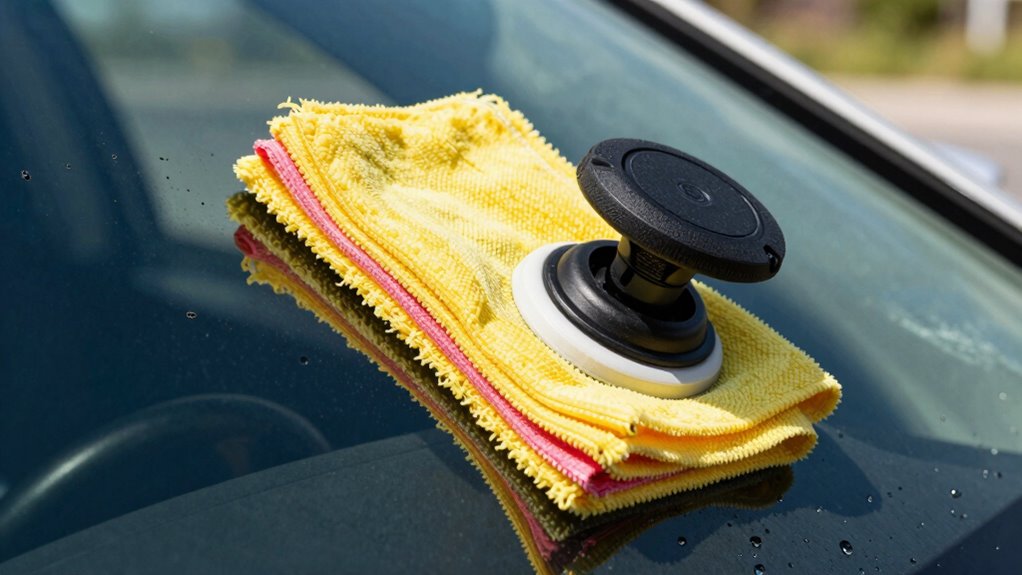

To make certain your suction cup sticks firmly to your windshield, start by thoroughly cleaning the surface with alcohol wipes or glass cleaner to remove dust, oil, and residue. Dry the area completely to prevent moisture from weakening the seal. For better adhesion, slightly warm the surface with a hairdryer on low. Press the mount firmly for several seconds to eliminate air pockets. If you keep these steps in mind, you’ll find your mounts stay secure longer; discover how to master the routine next.
Key Takeaways
- Thoroughly clean the windshield with alcohol wipes or glass cleaner to remove dust, oil, and residue.
- Dry the surface completely to ensure a strong, airtight seal between the suction cup and glass.
- Slightly warm the windshield with a hairdryer on low to improve suction adhesion.
- Ensure the windshield surface is free of moisture and at optimal temperature (not too cold or hot).
- Press the suction cup firmly against the windshield, holding for several seconds to eliminate air pockets and enhance grip.
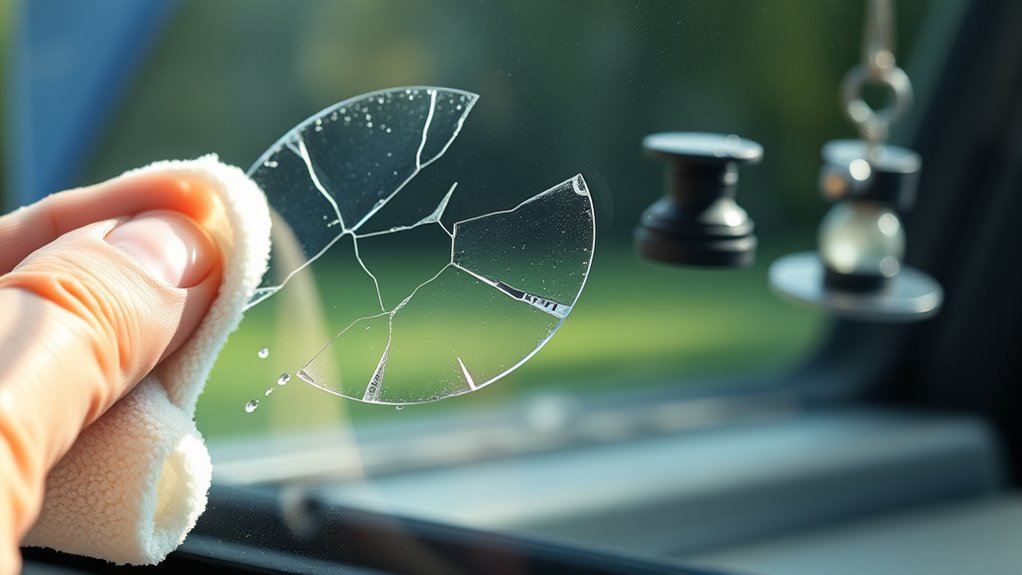
Have you ever relied on a suction cup only to have it suddenly fall off when you needed it most? It’s frustrating, especially when you thought you had it securely in place. The truth is, many suction cups fail because the surface isn’t properly prepared or because the material isn’t ideal for sticking. If you want your mounts to last, you need a reliable windshields prep routine that guarantees a solid grip every time. This involves understanding adhesive alternatives and mastering surface preparation techniques that maximize suction.
First, it’s essential to recognize that not all surfaces are created equal. Smooth, non-porous surfaces like glass or certain plastics tend to work best, but even then, dust, oil, or residue can sabotage the seal. Before attaching anything, thoroughly clean the area with alcohol wipes or a gentle glass cleaner. This removes oils and dirt that could prevent a tight seal. Some people skip this step, but it’s one of the simplest and most effective surface preparation techniques to improve adhesion. After cleaning, dry the surface completely; moisture can weaken the suction and cause slips.
Not all surfaces are equal; clean and dry glass or plastic for best suction.
If you find your suction cups still aren’t sticking reliably, consider using adhesive alternatives. Silicone-based adhesives or mounting pads designed for glass can provide a more permanent solution. These options aren’t as temporary as suction alone, giving you peace of mind that your mount stays put. Apply the adhesive or mounting pad according to the manufacturer’s instructions, and ensure the surface is clean and dry beforehand. While these alternatives may require a little extra effort upfront, they markedly reduce the chances of failure.
Another helpful surface preparation technique involves slightly warming the glass or plastic surface. Using a hairdryer on a low setting can make the surface warmer and more receptive to suction. The heat causes minor expansion, creating a better seal between the suction cup and the surface. Just be careful not to overheat or damage the material. Additionally, understanding the importance of surface compatibility can help you select the best method for your specific application.
Finally, once everything is prepared and your mount is in place, press firmly and hold for a few seconds to eliminate any air pockets. Some people swear by applying a small amount of water or a specialized suction cup lubricant around the edges to improve grip, but be cautious—this can sometimes weaken the seal if not used correctly.
Frequently Asked Questions
Can Temperature Affect Suction Cup Performance?
Yes, temperature effects can impact suction cup performance. When it’s too hot or cold, the material compatibility between the cup and surface changes, reducing grip. Extreme temperatures cause the rubber or silicone to become less flexible or brittle, making it harder for the suction cup to hold securely. To guarantee maximum adhesion, avoid extreme temperatures and clean the surface thoroughly before attaching the mount.
Are Certain Surfaces Better for Suction Cups?
Certain surfaces are better for suction cups because of their smooth texture and material compatibility. You should look for flat, non-porous surfaces like glass, polished metal, or plastic, which provide a better seal. Avoid textured or porous surfaces, as they can cause leaks and reduce suction. Ensuring the surface is clean and free of dust or oil also improves the suction cup’s grip, making your mount more secure.
How Long Does a Suction Cup Typically Last?
Suction cups typically last between a few weeks to several months, depending on how well you maintain them. While they seem sturdy, their suction longevity hinges on factors like surface cleanliness and temperature. To extend their lifespan, regularly clean both the cup and mount surface, avoid extreme heat, and guarantee a smooth, dry surface before attaching. Proper maintenance tips keep your suction cups sticking longer and prevent unexpected failures.
Is There a Way to Remove Residue After Failure?
Yes, you can remove residue after a suction cup failure. Use cleaning techniques like rubbing alcohol or vinegar to break down stubborn residue. Apply the cleaner to a cloth and gently scrub the area, ensuring you remove all leftover adhesive or dirt. For best results, wipe with a damp cloth afterward and dry thoroughly. Proper residue removal helps prepare the surface for a new mount, ensuring better adhesion next time.
Do Different Brands Have Varying Adhesion Qualities?
Yes, different brands do have varying adhesion qualities, which you’ll notice through brand comparison. Some brands are engineered for stronger, longer-lasting adhesion, while others may experience higher adhesion variability. When selecting a suction cup, consider the brand’s reputation and user reviews, as these factors influence performance. Proper windshield prep also boosts adhesion, so pairing a high-quality brand with a thorough surface cleaning routine can markedly improve your mount’s sticking power.
Conclusion
Remember, a clean windshield is your mount’s best friend—think of it as giving your suction cup a smooth, welcoming dance floor. When you prep the surface properly, your mount sticks like it’s glued on with purpose. Don’t let a sloppy setup be the weak link in your car’s tech chain. With just a little effort, you’ll keep your device secure, ready to roll through life’s twists and turns, like a trusty ship sailing steady through choppy waters.