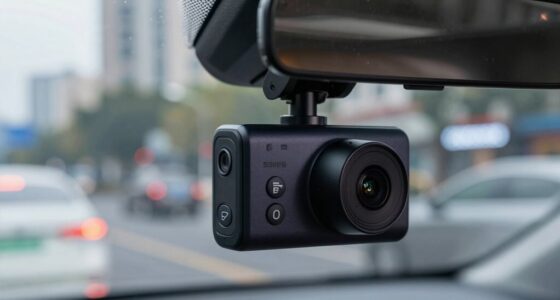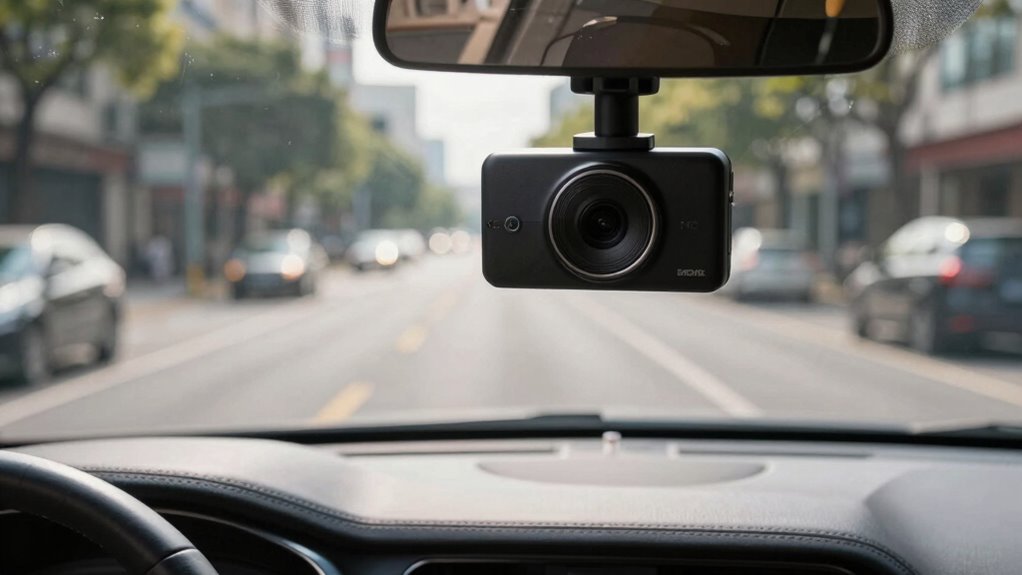

WDR in dash cams is designed to improve footage by balancing exposure in challenging lighting conditions, like night or shadows. It helps you see details such as license plates and street signs more clearly. However, it can worsen footage in extreme situations with glare or reflections, causing unnatural colors or overexposure. If you want to understand the best times to rely on WDR or avoid its pitfalls, keep exploring how it works and affects your recordings.

Get business pricing on garage and car supplies
- Business-only prices and quantity discounts
- Tax-exempt purchasing
- Multiple users, one account, clear invoices
Key Takeaways
- WDR helps improve visibility in mixed lighting, night driving, and challenging conditions by balancing exposure across the scene.
- It can introduce artifacts or unnatural colors, especially in extreme glare or reflective environments.
- High-quality dash cams with advanced processing adapt better, providing clearer footage without overprocessing.
- WDR is most effective during moderate lighting challenges but may worsen footage in intense glare or rapid light changes.
- Overreliance on WDR without testing can lead to misleading images or reduced overall footage quality.

If you’ve ever struggled to see clearly through your dash cam footage during challenging lighting conditions, you’re not alone. Bright headlights, low light at night, or glaring reflections can make it hard to interpret what’s happening on the road. This is where Wide Dynamic Range (WDR) technology comes into play. WDR helps your dash cam capture details in both bright and dark areas within the same frame, making it easier to review critical moments. When properly utilized, WDR enhances night vision by balancing exposure, so dark scenes aren’t too shadowy and bright spots aren’t overly washed out. This means you can see license plates, street signs, or pedestrians more clearly, even in tricky lighting situations.
WDR improves visibility in challenging lighting, making details clearer in your dash cam footage.
However, WDR isn’t always a perfect solution. In some cases, it can introduce artifacts or unnatural color shifts, which might make footage look less realistic. For example, during nighttime driving, if your dash cam has excessive glare reduction, WDR might overcompensate, resulting in overly bright images that wash out details instead of clarifying them. This can happen when headlights or streetlights create intense glare, and the WDR struggles to balance the exposure properly. Instead of improving visibility, it might make the scene appear overly processed or blurry, reducing the overall quality of the footage.
The effectiveness of WDR also depends on the quality of the dash cam itself. Cheaper models may have limited algorithms that struggle with complex lighting scenes, leading to inconsistent results. In contrast, high-end dash cams with advanced WDR processing can adapt more effectively to changing light conditions, providing clearer footage without sacrificing detail. But keep in mind, WDR isn’t a magic fix for all lighting issues. In situations with extreme glare or rapid lighting changes, it can sometimes produce misleading images or distort the scene, which could complicate evidence review or accident analysis.
Ultimately, understanding when WDR helps and when it makes footage worse depends on your specific driving environment. For nighttime drives with moderate lighting challenges, WDR can markedly improve visibility and safety. But in very bright or highly reflective conditions, you may find that turning WDR off or adjusting other settings yields better results. Knowing your dash cam’s capabilities and testing its performance in different scenarios will help you maximize its benefits while avoiding potential drawbacks caused by overreliance on WDR. Additionally, selecting a dash cam with advanced image processing can significantly improve performance in complex lighting situations.
Frequently Asked Questions
How Does WDR Affect Night-Time Driving Footage?
WDR improves night-time driving footage by balancing brightness and contrast, enhancing image quality in challenging lighting. It helps you see details like license plates and road signs more clearly. However, if your camera isn’t properly calibrated, WDR can cause overexposure or ghosting, making footage worse. Proper calibration guarantees the WDR feature works effectively, giving you clearer, more reliable night-time recordings.
Can WDR Cause Color Distortions in Recorded Videos?
WDR can sometimes be a double-edged sword, causing color distortions in recorded videos. It’s like trying to paint a sunset, but the colors don’t quite match reality. This affects color accuracy and image clarity, especially in high contrast scenes. You might notice hues looking exaggerated or washed out, which can make identifying details harder. Understanding this helps you decide when WDR benefits your footage and when it might obscure true colors.
Is WDR Beneficial in Rainy or Foggy Conditions?
WDR is beneficial in rainy or foggy conditions because it reduces issues like rain reflection and fog penetration. It helps your dash cam balance bright headlights and dark road areas, making details clearer. However, in heavy fog or rain, WDR might struggle to improve visibility markedly and could sometimes introduce artifacts. Overall, it enhances footage quality in challenging weather, but results depend on the severity of the conditions.
How Does WDR Impact the Storage Space Needed for Recordings?
WDR can increase storage overhead by 10-20% because it requires capturing more detail in high-contrast scenes. This, in turn, impacts compression efficiency, leading to slightly larger file sizes. You’ll notice that recordings use more space, especially in challenging lighting conditions. To manage this, consider adjusting your dash cam’s resolution or enabling loop recording, helping balance footage quality and storage needs effectively.
Are There Any Drawbacks to Using WDR on Dash Cams?
Using WDR on your dash cam can sometimes reduce color accuracy, making footage look less true to life, especially in complex lighting. It also slightly increases power consumption, which might affect long-term battery life or energy use. While WDR improves visibility in challenging lighting, these drawbacks mean you should weigh its benefits against potential compromises in color fidelity and energy use.
Conclusion
Wondering if WDR always improves your dash cam footage? The truth is, it depends on the situation. While WDR can enhance visibility in tricky lighting, it might sometimes cause unnatural effects or loss of detail. So, don’t assume it’s always better. Test your dash cam in different conditions to see when WDR helps and when it hampers your footage. Ultimately, understanding WDR’s limits guarantees you get the clearest, most reliable recordings every time.
Halloween Picks
halloween
As an affiliate, we earn on qualifying purchases.