
Always attach recovery gear to factory-rated, reinforced points like frame-mounted recovery hooks, reinforced tow hooks, or hitch receivers that are designed for pulling loads. Never connect to bumpers, suspension components, or unreinforced brackets, as they aren’t built to handle recovery forces and could fail. Inspect all hardware for damage before use. Knowing where to securely attach gear guarantees safety and avoids costly damage—keep going to learn more about safe recovery practices.
Key Takeaways
- Attach recovery gear only to factory-installed, frame-mounted, or reinforced recovery points rated for heavy loads.
- Never connect recovery gear to bumpers, suspension parts, control arms, or unreinforced brackets.
- Use hitch receiver mounts with proper rated shackles or hooks, ensuring the hitch and hardware are rated for recovery loads.
- Avoid attaching to non-rated components or areas lacking structural reinforcement to prevent damage or failure.
- Regularly inspect all attachment points for damage, corrosion, or wear before each recovery to ensure safety.

AUTOBOTS Shackle Hitch Receiver 2", 45,000 Lbs Break Strength Heavy Duty Receiver with 5/8" Screw Pin, 3/4" D Ring Shackles, Towing Accessories for Vehicle Recovery Off-Road, Red&Black
High-strength: our tow hitch receiver consisting of carbon steel with a breakpoint of 45,000 lbs. Shackle silicone isolators…
As an affiliate, we earn on qualifying purchases.
As an affiliate, we earn on qualifying purchases.
Proper Frame-Mounted Recovery Points

Proper frame-mounted recovery points are essential for safe and effective off-road recoveries. They serve as the primary attachment locations to ensure your pulling force is evenly distributed across the vehicle’s structure. These points are typically reinforced metal brackets welded directly onto the frame, designed specifically to withstand heavy loads. Using factory-installed recovery points guarantees that the attachment is secure and rated for recovery gear, such as D-rings or shackles. Always verify that the recovery point’s weight rating matches your gear and recovery situation. Avoid attaching recovery gear to bumpers, suspension components, or other non-structural parts, as they lack the strength to handle dynamic loads. Properly positioned, frame-mounted points prevent vehicle damage and maximize safety during recovery pulls. European cloud solutions are increasingly integrated into vehicle safety systems, enhancing recovery operations with secure, innovative technology. Ensuring you understand recovery point ratings helps prevent accidents and equipment failure during critical moments. Additionally, understanding vehicle structural integrity is crucial for selecting the correct attachment points and ensuring safe recovery procedures. Regularly inspecting recovery points for signs of wear or corrosion is vital, as compromised points can unexpectedly fail under load. For optimal safety, always inspect recovery points before each use to confirm they are free of damage or corrosion.

AUTORICH 3/8" S Tow Hook, G80 Steel Quick Winch Shackle 33,000Lbs Break Strength, Heavy Duty Off-Road Recovery Connect Hook for SUV, Truck, Trailer & Towing Applications, Red
Multi-Purpose Recovery Solution – The AUTORICH S-tow hook offers versatile functionality in one compact tool. Easily connects to…
As an affiliate, we earn on qualifying purchases.
As an affiliate, we earn on qualifying purchases.
Factory-Installed Tow Hooks and Reinforcements

Factory-installed tow hooks and reinforcements are built into your vehicle’s structure to provide reliable recovery points right from the factory. They’re designed to handle the stresses of off-road pulling, ensuring safe attachment during recovery. These hooks are typically reinforced with robust mounting brackets, making them suitable for kinetic and static pulls. While factory reinforcements are reliable, avoid attaching recovery gear to areas not intended for load-bearing, such as bumpers or trim. Use the designated hooks for maximum strength and safety. Here’s a quick guide:
| Tow Hook Location | Reinforcement Material |
|---|---|
| Front bumper | Steel or reinforced frame |
| Rear bumper | Heavy-duty mounting points |
| Underbody | Factory-anchored brackets |
Always verify that the load-bearing capacity of factory reinforcements matches your recovery needs before attaching gear.

Nilight Shackle Hitch Receiver 2Inch 45000 LBs Breaking Strength 3/4" D Ring w/Trailer Pin Heavy Duty Solid Recovery Towing Kit for Trucks Jeeps Off-Road
Excellent Towing Power: Shackle Hitch Receiver Set was made of high-strength drop forged steel, with a rated working…
As an affiliate, we earn on qualifying purchases.
As an affiliate, we earn on qualifying purchases.
Hitch Receiver Recovery Attachments

Hitch Receiver Recovery Attachments
When using hitch receiver recovery attachments, you need to verify you’re selecting the right size and type for your vehicle and recovery gear. Always check that the hitch is rated for the load you plan to pull—overloading can cause serious damage or failure. Remember, using a hitch receiver improperly or beyond its capacity puts your recovery operation at risk. Proper hitch use is essential for ensuring safety and effectiveness during recovery procedures. Additionally, understanding your vehicle’s power and capability helps prevent potential damage during recovery efforts. Recognizing the importance of well-sourced name coverage can also guide you in choosing reputable recovery equipment and accessories. Being aware of dark psychology tactics can help you identify manipulative behaviors that might occur during recovery negotiations or assistance. Incorporating knowledge of Free Floating systems can enhance the safety and efficiency of your recovery operations.
Proper Hitch Receiver Use
Using a hitch receiver for recovery requires selecting the right attachment points and guaranteeing the connection is secure. Always use a properly rated recovery shackle or hook that matches or exceeds your recovery strap’s capacity, typically 10,000 pounds or more. Insert the shackle through the hitch receiver and secure the pin tightly, double-checking that it’s fully engaged. Avoid using the hitch ball or empty receiver tube for recovery, as they’re not designed to handle dynamic loads and can break. Use a recovery-rated strap or soft shackle attached directly to the shackle, never to the hitch itself. Ensure all connections are tight, stable, and free of movement before applying any load. Proper hitch receiver use minimizes risk and maximizes safety during recovery operations. Always double-check the rated capacity of your recovery gear to ensure safety and compliance with manufacturer guidelines. Additionally, inspecting the hitch receiver’s condition for rust, cracks, or deformation can prevent accidents during recovery. Regularly maintaining and inspecting your equipment helps ensure it remains in safe working condition and ready when needed. Remember that proper installation techniques are essential to prevent accidental disconnection or failure during use. Incorporating compatible recovery accessories can further enhance safety and effectiveness during recovery efforts.
Avoid Overloading Hitch
To prevent equipment failure and guarantee safe recovery operations, you must avoid overloading your hitch receiver and its attachments. Exceeding weight limits can cause bending, cracking, or detachment during recovery. Always verify your hitch and attachment ratings match your recovery gear’s weight. Use rated straps and shackles within their capacity, and never rely on the hitch alone for heavy pulls. Check the manufacturer’s specs before attaching gear. Properly distributed loads help prevent accidents and vehicle damage. Additionally, understanding the load capacity of your recovery system is essential to ensure safe and effective operation. Regularly inspecting your recovery gear and understanding vehicle weight limits can further reduce the risk of overloading and failure. Incorporating floating on water principles, such as balanced load distribution, can also aid in maintaining stability during recovery efforts. Being aware of equipment ratings helps you make informed decisions and avoid dangerous overloads. Recognizing the importance of proper load distribution enhances safety and prolongs the lifespan of your recovery gear.
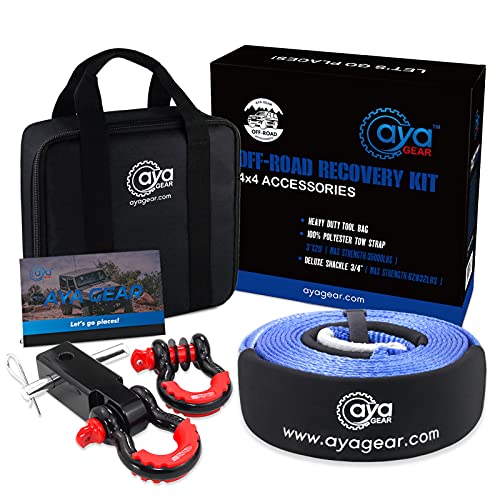
AYA Gear Off Road Recovery Gold Kit | 3" x20' (35,000 lbs) 100% Nylon Tow Strap + 2" Shackle Hitch Receiver + 3/4 Shackles (2pcs) with Isolator +Storage Bag| Recovery Gear Combos 4×4 Winch Accessor
🚗【UNDERSTAND AMERICAN NEEDS】 — American Company, American Standard, American Quality!
As an affiliate, we earn on qualifying purchases.
As an affiliate, we earn on qualifying purchases.
Soft Shackles and D-Rings Connection Points

When choosing soft shackles and D-rings, you need to focus on proper attachment locations that can handle the load. Make sure you avoid stress concentrations by distributing forces evenly across connection points. Regularly inspect these points for wear or damage to guarantee safe and reliable recovery gear setups. Proper attachment points are essential for ensuring equipment longevity and safety during recovery operations, especially in challenging conditions load distribution. Additionally, selecting appropriate attachment points that are designed for heavy loads helps prevent equipment failure and enhances overall safety. Incorporating top-rated recovery gear can further improve safety and performance during recovery tasks.
Proper Attachment Locations
Proper attachment locations for soft shackles and D-rings are critical to ensuring safe and effective recoveries. You want to connect your gear to structurally sound points that can handle the load without failure. Use factory-rated recovery points, reinforced tow hooks, or hitch receiver mounts. Avoid attaching to bumpers, suspension parts, or axles, which aren’t designed for recovery forces. To help visualize, here’s a quick reference:
| Suitable Attachment Points | Unsuitable Attachment Points |
|---|---|
| Frame-mounted recovery points | Bumpers and plastic panels |
| Reinforced tow hooks | Suspension components |
| Hitch receiver mounts | Axle parts or drive shafts |
| Factory-rated D-rings | Tow balls or unreinforced parts |
Avoiding Stress Concentrations
Attaching soft shackles and D-rings at the right points helps prevent stress concentrations that can cause gear failure. You should connect these accessories to reinforced, rated recovery points designed for high loads. Avoid attaching them to weak or non-rated components like bumpers, bumper mounts, or non-reinforced tow hooks, as these can deform or break under stress. Use factory-installed, recovery-rated hooks or dedicated frame mounts for secure connections. When possible, distribute forces evenly by attaching to multiple points or using proper hardware. Never connect soft shackles or D-rings to sharp edges, unreinforced brackets, or areas lacking rated strength. Proper placement minimizes uneven load distribution, reducing the risk of damage to your gear and vehicle during recovery operations.
Inspecting Connection Points
Are you regularly inspecting your soft shackles and D-rings before each recovery? You need to check for any signs of wear, fraying, or cracks in the shackles, as these can weaken their strength. Confirm the D-rings are free of deformation, corrosion, or sharp edges that could damage ropes or straps. Look for any distortion or elongation in the hardware that indicates stress fatigue. Confirm that the pins or locking mechanisms are secure and functioning properly. Clean dirt, mud, or debris from connection points to maintain a solid connection. If you notice any damage or corrosion, replace the hardware immediately. Regular inspections prevent failures during recovery, keeping you safe and ensuring your gear performs reliably when needed most.
Recognizing Weak or Unsafe Attachment Areas

Identifying weak or unsafe attachment areas is essential for ensuring a safe recovery or climbing operation. You need to look for corrosion, cracks, or deformation in attachment points like hooks, shackles, or loops. Factory-rated recovery points are tested and marked for strength; avoid any component lacking proper ratings or visible reinforcement. Be cautious of factory tow hooks or bumper mounts, which often aren’t designed for dynamic loads. Check for rust, bending, or wear that compromise integrity. Avoid attaching gear to suspension parts, axles, or bumper components, as these can break under load. Always test connections gently before applying full force. Recognizing these fragile spots helps prevent failure, accidents, and damage during recovery operations. Stay vigilant and trust only rated, reinforced points for secure attachment.
Off-Limits Bumper and Suspension Components

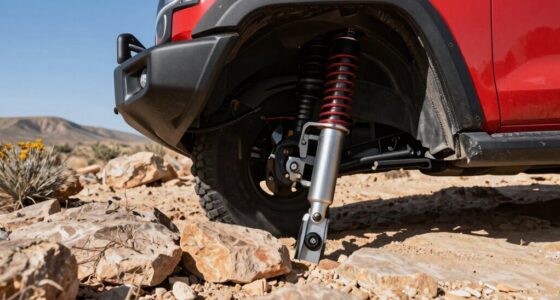
Bumper and suspension components are off-limits for recovery and attachment points because they are not designed to withstand dynamic loads. These parts often lack the structural strength needed to endure the forces generated during pulling or snatching. Attaching recovery gear to bumpers can cause bending, cracking, or complete failure, risking damage to your vehicle and injury. Suspension components like control arms, shocks, and springs are similarly vulnerable, as they’re designed for smooth ride, not towing stress. Using them as recovery points can lead to bent or broken parts, costly repairs, and unsafe conditions. Always stick to designated recovery points rated for the task. Avoid any attachment to bumper or suspension parts to ensure your recovery is safe and effective, without risking serious damage.
Avoiding Axle and Drivetrain Damage Zones

Attaching recovery gear to the incorrect parts of your vehicle can cause serious damage to the axle and drivetrain components. Never connect straps or shackles directly to the axle tubes, differential cover, or CV joints, as these areas aren’t designed to handle pulling forces. Doing so risks bending or breaking axle shafts, damaging the differential, or tearing CV joints. Instead, use factory-rated recovery points mounted on the frame or chassis, which are engineered to withstand recovery loads. Avoid hooking onto suspension components like control arms, shock mounts, or sway bars, as they are vulnerable to bending or snapping under stress. Always ensure your recovery gear is attached to secure, rated points, and stay clear of axle and drivetrain zones to prevent costly repairs.
Safe Use of Climbing Harness Tie-Ins for Recovery

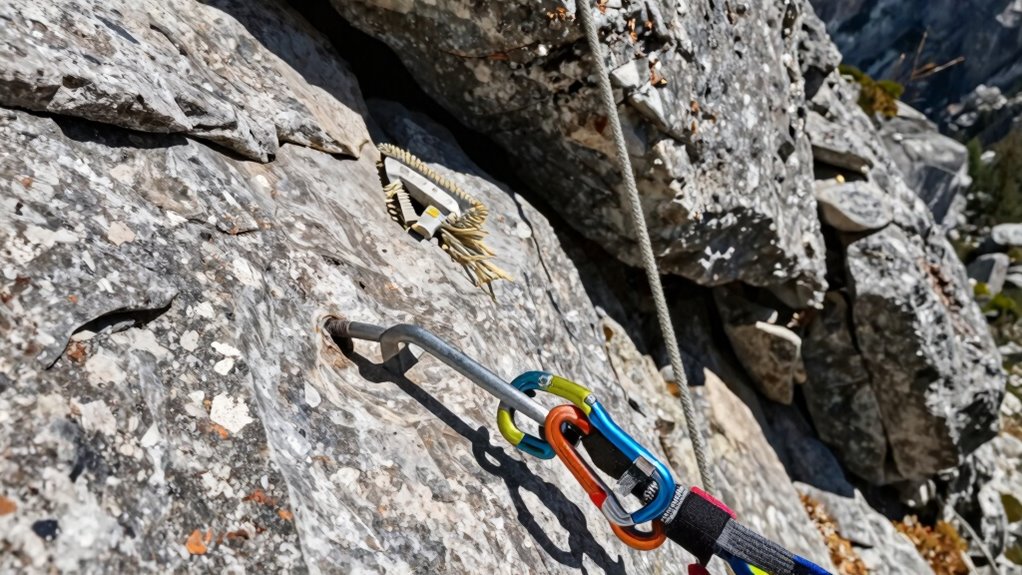
Using climbing harness tie-ins safely during recovery requires proper technique and awareness of your gear’s limits. Always double-check that your tie-in points, like the belay loop or girth hitches, are secure and rated for load. Use appropriate knots, such as a double bowline or figure-eight, to prevent slipping. Never attach recovery gear directly to your harness’s gear loops unless rated for heavy loads—these are designed for gear, not force. Limit your load to one secure connection at a time, and test the setup before applying full tension. Maintain three points of contact when handling gear at height, and avoid overloading or twisting the harness. Remember, your harness is a critical safety component—use it properly to stay safe during recovery operations.
Critical Do’s and Don’ts During Off-Road Recovery

When performing off-road recovery, adhering to critical do’s and don’ts guarantees safety and success. First, always use rated recovery points designed for your vehicle; avoid attaching to bumpers, suspension, or other weak parts. Second, check your gear’s capacity—straps and shackles should handle at least 10,000 pounds. Third, communicate clearly with your recovery partner, establishing signals before pulling.
Here are key tips to follow:
- Use proper attachment points—factory tow hooks or frame-mounted recovery points—never jerry-rig from bumpers or axles.
- Keep tension on the recovery gear steady; avoid sudden jerks or angled pulls that could cause damage.
- Never stand directly in line with recovery straps or chains; stay clear during pulls to prevent injury from snap-back.
Frequently Asked Questions
How Do I Identify the Strongest Recovery Points on My Vehicle?
You identify the strongest recovery points on your vehicle by looking for frame-mounted points rated for D-rings or shackles, as they’re designed to handle heavy loads. Factory-installed tow hooks reinforced for off-road use and hitch receiver points also provide reliable attachment spots. Avoid bumpers, suspension parts, and axle components—they can break under stress. Always verify the points are rated for at least 10,000 pounds to guarantee safety during recovery.
Can Factory Tow Hooks Handle Kinetic Recovery Loads Safely?
A chain is only as strong as its weakest link, so you shouldn’t rely on factory tow hooks for kinetic recovery loads. They’re usually not rated for the dynamic forces involved, which can cause damage or failure. Instead, use dedicated, recovery-rated points like reinforced tow hooks or hitch receivers, rated for at least 10,000 lbs. This guarantees safe, secure recovery and avoids risking your vehicle’s integrity.
What Are the Signs of Damage or Wear on Recovery Attachment Areas?
You should look for signs of cracks, corrosion, or deformation on recovery points. Check for rust or paint chipping that indicates wear. If the attachment points feel loose, bent, or show any visible damage, don’t use them. Frayed or damaged straps and shackles also signal worn equipment. Always inspect before a recovery to make sure your gear is secure and capable of handling the load safely.
Is It Safe to Use a Tow Ball for Recovery Pulls?
No, using a tow ball for recovery pulls is like trusting a paperclip with your life—dangerously unfit. Tow balls aren’t rated for the dynamic loads of recovery; they can deform, detach, or shatter, risking serious injury or vehicle damage. Instead, stick to proper recovery points like frame-mounted hooks or hitch receivers, designed to handle the stress. Save the tow ball for hitching trailers, not for heroic rescue attempts.
When Should I Avoid Using Bumper or Suspension Components for Recovery?
You should avoid using bumpers or suspension components for recovery because they aren’t designed to handle the dynamic loads involved. Bumpers can break under stress, and suspension parts may bend or snap, risking vehicle damage or injury. Instead, always use factory-rated recovery points, hitch receivers, or reinforced frame mounts that are specifically built to withstand the forces during off-road recoveries.
Conclusion
Think of your recovery points as the sturdy roots of a tree—you want them strong enough to support the weight of rescue. I once saw someone attach to a flimsy bumper, and it snapped like a twig. Always stick to proper, reinforced points, and avoid weak spots. When you choose the right attachment, you’re planting your recovery safely, ensuring your off-road adventure remains a wild ride, not a costly mistake.