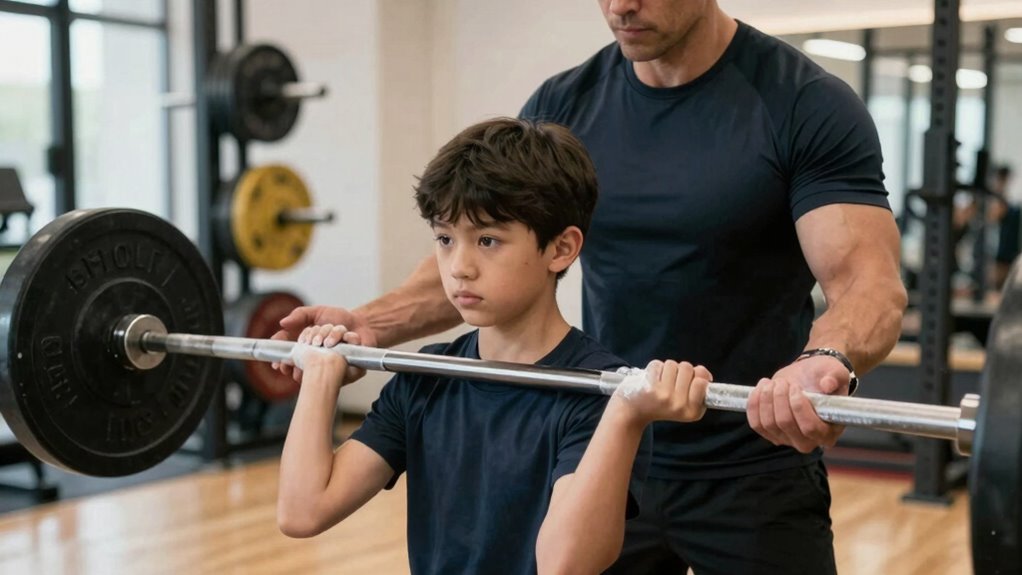

To move from beginner to pro in lifting safety, focus on mastering equipment inspections, checking for wear or damage before each lift. Stay current with safety procedures and ongoing training to sharpen your skills. Practice emergency drills regularly and foster a safety-first mindset to prevent accidents. Stay proactive by maintaining standards and paying attention to detail. If you keep building your knowledge and habits, you’ll become confident and capable in lifting operations over time.

Get business pricing on garage and car supplies
- Business-only prices and quantity discounts
- Tax-exempt purchasing
- Multiple users, one account, clear invoices
Key Takeaways
- Start with comprehensive training on equipment inspection and safety protocols.
- Practice thorough, regular inspections to identify wear, damage, and potential hazards early.
- Familiarize yourself with emergency procedures and site-specific safety equipment locations.
- Maintain a safety-first mindset by prioritizing proper techniques over speed or shortcuts.
- Stay updated on safety standards and foster a proactive safety culture among team members.

Lifting safety is crucial for anyone working with heavy loads, whether you’re just starting out or looking to sharpen your skills. The foundation of safe lifting begins with proper equipment inspection. Before you even lift a single load, take the time to thoroughly check all gear—cranes, slings, chains, and hooks. Look for signs of wear, corrosion, or damage that could compromise the integrity of your equipment. Making sure everything is in good condition isn’t just about following rules; it’s about preventing accidents and protecting yourself and others. If you spot any defects, don’t attempt to use the equipment. Instead, report it immediately and replace or repair faulty gear. Regular inspections, especially before each lift, help catch issues early and keep safety top of mind. Staying informed about equipment inspection techniques is essential for maintaining safety standards. Proper training in these techniques can significantly reduce the risk of mishaps.
Equally important are well-planned emergency procedures. No matter how careful you are, accidents can happen. That’s why you should familiarize yourself with your site’s emergency protocols. Know the location of emergency shut-off switches, fire extinguishers, first aid kits, and evacuation routes. Practice drills periodically so that in a real situation, your response is quick and effective. Clear communication is essential—make sure everyone involved understands their role during emergencies. Whether it’s a load drop, equipment failure, or injury, having a plan in place minimizes chaos and can prevent minor mishaps from turning into major accidents. Regularly reviewing emergency protocols ensures everyone stays prepared and aware of their responsibilities. Additionally, understanding risk assessment techniques can help you identify potential hazards before they lead to incidents. Staying current with safety standards and best practices is vital for creating a safer work environment. Maintaining a strong focus on safety culture encourages proactive behavior and accountability among team members.
As you progress from a beginner to a pro, you’ll realize that safety is an ongoing process. Continually update your knowledge about equipment inspection techniques and stay current on safety standards. Cultivating a safety-first mindset means always questioning if your gear is fit for use and if your emergency procedures are up to date. When lifting, never cut corners or rush through inspections; safety is about consistency and attention to detail. Remember, the goal isn’t just to get the job done but to do it safely and responsibly.
Practicing these core safety habits—rigorous equipment inspection and solid emergency procedures—sets the groundwork for your growth in lifting skills. Over time, they become second nature, giving you confidence and reducing risks. Whether you’re lifting a small load or managing complex operations, maintaining these safety measures ensures you work smarter and safer. Keep learning, stay vigilant, and prioritize safety at every step. That’s how you evolve from a beginner into a true professional in lifting safety.
Products Worth Considering

Milwaukee 2697-22 M18 18-Volt Lithium-Ion Cordless Hammer Drill/Impact Driver XC Combo Kit (2-Tool)

DEWALT 20V MAX Cordless 1/2-Inch Impact Wrench Kit (DCF900P1)

Chemical Guys 16-Piece Arsenal Builder Car Wash Kit with Foam Cannon & Bucket
As an affiliate, we earn on qualifying purchases.
Frequently Asked Questions
What Are Common Signs of Lifting Fatigue or Injury?
You’ll notice muscle fatigue when your muscles feel weak, sore, or lose strength during lifting. Joint pain is another sign, often sharp or throbbing discomfort around your knees, back, or shoulders. If you experience these symptoms, it’s essential to stop immediately, rest, and assess your technique. Ignoring these signs can lead to serious injury, so listen to your body and seek professional advice if pain persists.
How Do I Choose the Right Lifting Equipment for Safety?
Choosing the right lifting equipment is like selecting the perfect set of sails for your ship; it guides you safely through turbulent waters. You need equipment that matches your lifting technique, ensuring stability and control. Check for proper maintenance and inspect regularly, like tuning a finely crafted instrument. Prioritize ergonomic design and weight capacity to prevent strain. When equipment fits well and is well-maintained, your lifting journey becomes safer and more efficient.
What Precautions Should Be Taken for Lifting in Confined Spaces?
When lifting in confined spaces, you should assess confined space hazards thoroughly before starting. Confirm proper ventilation requirements are met to prevent dangerous buildup of gases or fumes. Use appropriate personal protective equipment and maintain clear communication with your team. Always follow safety protocols, monitor air quality continuously, and have emergency procedures in place. These precautions help minimize risks associated with restricted access and hazardous atmospheres during lifts.
How Does Mental Focus Impact Lifting Safety?
Think of your mind as the steering wheel of a car—clear mental focus keeps you on the right course. When your mental clarity is sharp, you’re more aware of your surroundings and your body’s limits. Focus techniques like deep breathing and visualization help you stay present, reducing errors and accidents. Without mental focus, you risk mishandling loads, leading to injuries. Stay alert, and your lifts will be safer and more controlled.
Are There Differences in Lifting Safety for Different Body Types?
Yes, lifting safety varies with different body types. You should focus on body mechanics that suit your physique, ensuring proper form to prevent injury. Personalized training helps identify your strengths and limitations, allowing you to adapt techniques accordingly. By understanding your body type, you can optimize lifting safety, reduce strain, and improve performance. Always listen to your body and adjust your approach to maintain safety and progress effectively.
Conclusion
By focusing on proper technique, staying mindful of your limits, and continually learning, you build a foundation of safety that grows stronger with every lift. Embrace the journey from beginner to pro by prioritizing caution, practicing patience, and seeking knowledge. Remember, safety isn’t a one-time effort but a constant commitment. With dedication, awareness, and consistency, you’ll elevate your lifting skills while protecting yourself every step of the way. Keep pushing forward, stay safe, and lift smart.