When installing suspension bushings, it’s essential to torque them at ride height with the vehicle on the ground, not just lifted. This guarantees the bushings seat properly under normal load, preventing uneven wear and handling issues down the line. Many skip this step, which can cause misalignment and premature failure. Correct torque application at ride height helps maintain suspension integrity and vehicle safety. Keep going to learn more about why this step is so important.
Key Takeaways
- Always lift and support the vehicle to its ride height before tightening bushings to ensure proper load conditions.
- Tighten suspension bushings only when the vehicle is at normal ride height to prevent misalignment.
- Use a torque wrench set to manufacturer specifications to avoid over or under-tightening.
- Failing to torque at ride height can cause uneven bushing wear and handling issues over time.
- Proper procedure ensures suspension components function correctly and prolongs their service life.
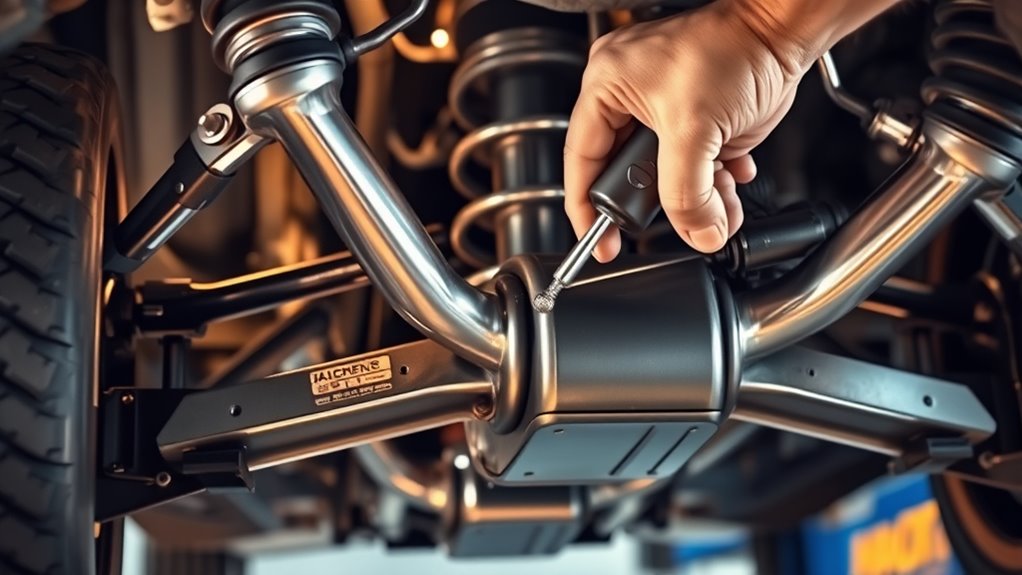
Properly torqueing suspension bushings is fundamental to guarantee your vehicle’s handling, safety, and longevity. When you’re working on your suspension, one of the most critical steps often overlooked is ensuring the bushings are torqued correctly at ride height. This step is essential because it ensures that the bushings are seated properly under the load conditions they’ll experience during normal driving. If you skip this step or ignore the correct procedures, you risk uneven wear, compromised handling, or even premature bushing failure.
Proper torque at ride height ensures suspension bushings seat correctly, preventing uneven wear and handling issues.
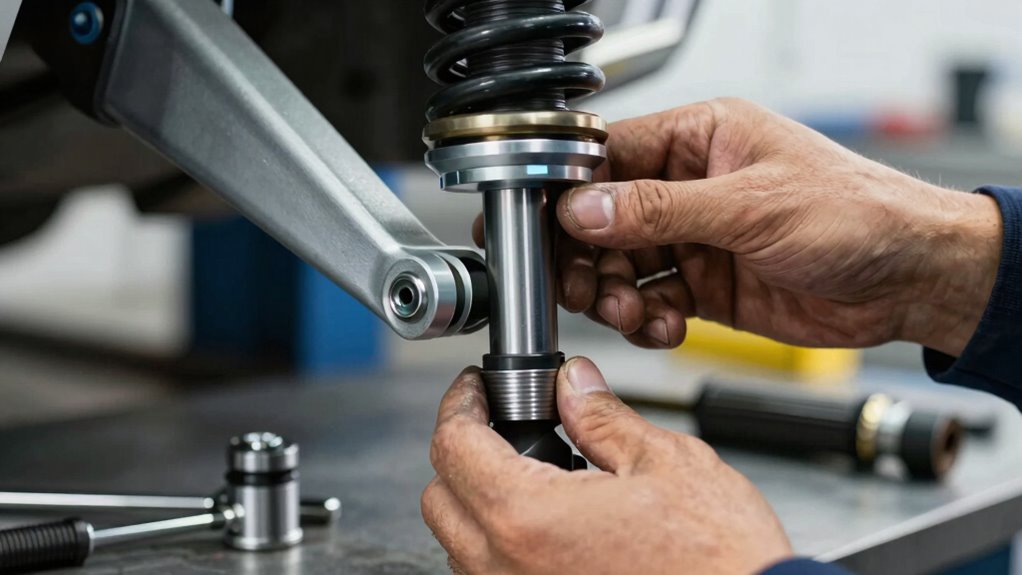
One of the first considerations is bushing material selection. Different materials—such as rubber, polyurethane, or solid bushings—have unique characteristics and respond differently to torque. Rubber bushings tend to be more forgiving and flexible, but they still require proper tightening to prevent movement that could affect ride quality. Polyurethane bushings are stiffer and can handle higher loads, but improper torque can lead to increased stress and cracking. Solid bushings, often made from metal or composite materials, demand precise torque specifications to prevent deformation or loosening. Knowing your bushing material helps you understand how tight they need to be and what the manufacturer’s torque specifications are, which is essential for proper installation.
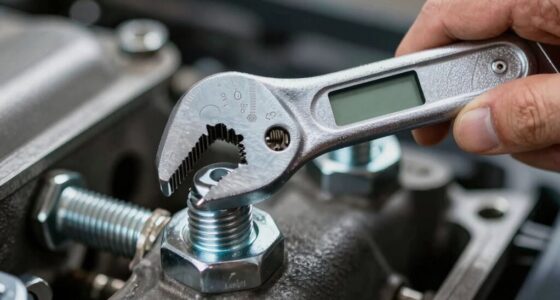
Applying the correct torque specifications is non-negotiable. Manufacturers provide specific torque figures for each bushing type and vehicle model. Using a torque wrench, you must tighten the bushings to these exact specifications, which are often listed in service manuals or technical guides. Over-tightening can compress the bushing excessively, leading to stiffness, reduced suspension travel, or damage to the bushing or mounting points. Conversely, under-tightening can cause excessive movement, noise, and accelerated wear. Achieving the right tension ensures the bushing performs at its best, maintains alignment, and preserves ride quality.
Another common mistake is neglecting to torque at ride height. Many people tighten bushings with the vehicle on the ground, assuming that’s enough. But it’s essential to lift the vehicle to ride height before tightening. This position allows the suspension to settle naturally, ensuring the bushings are under the correct load during tightening. Failing to do so can cause misalignment, uneven stress distribution, and potential handling issues once the vehicle is back on the road. Additionally, understanding the importance of proper installation techniques helps prevent long-term issues and ensures safety and performance.

ATRO PL1047 Torque Rod Bushing, Blue
Long lasting durability
As an affiliate, we earn on qualifying purchases.
As an affiliate, we earn on qualifying purchases.
Frequently Asked Questions
How Does Bushing Wear Affect Suspension Performance Over Time?
Bushing material deterioration causes your suspension to become less responsive, leading to increased play and uneven handling. Over time, worn bushings can produce suspension noise symptoms like clunks or squeaks, signaling they’re no longer effective. You might notice a rougher ride or less precise steering, which affects overall safety. Regular inspections help catch wear early, ensuring your suspension maintains peak performance and comfort.
What Tools Are Essential for Torqueing Bushings Correctly?
Did you know that using the right tools can extend bushing life by up to 30%? To torque bushings correctly, you need a socket wrench to fit the specific bushing bolt size and a torque wrench to apply precise torque settings. The socket wrench helps you tighten nuts securely, while the torque wrench ensures you don’t over-tighten, preventing damage and maintaining ideal suspension performance.
Can Improper Torqueing Cause Vehicle Alignment Issues?
Yes, improper torqueing can cause vehicle alignment issues. When you don’t follow the correct torque specifications, the bushing material might not seat properly, leading to uneven wear and misalignment. Over-tightening can deform the bushing, while under-tightening allows movement that affects alignment. Always verify you use the right tools and torque to the manufacturer’s specifications to maintain proper alignment and suspension performance.
Is It Necessary to Replace Bushings During Every Suspension Service?
No, you don’t need to replace bushings every suspension service—unless you enjoy wasting money. Bushing material and manufacturing tolerances usually mean they last a long time, so unless they’re worn or damaged, keep them. Skipping replacement can lead to uneven wear and handling issues. But if you’re enthusiastic to turn your suspension into a ticking time bomb, go ahead—just don’t say we didn’t warn you.
How Do You Verify if Bushings Are Torqued Correctly After Installation?
You verify if bushings are torqued correctly by checking against the manufacturer’s torque specifications. Use a calibrated torque wrench to measure the torque applied during installation, ensuring it matches the specified values. Recheck the torque after the vehicle has settled at ride height, as suspension components can shift. Proper measurement methods and adherence to torque specifications guarantee bushings are correctly secured, preventing premature wear or failure.
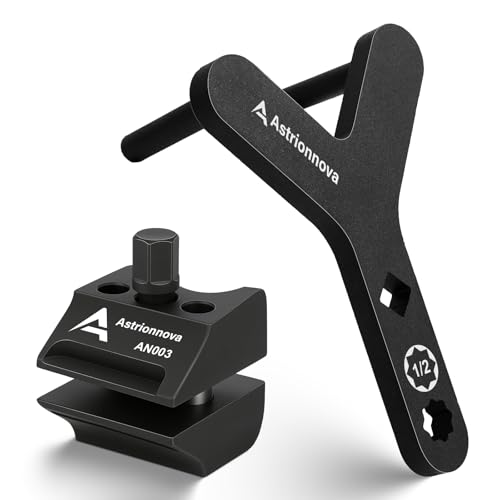
Astrionnova Suspension Tool Set, Strut Spreader Tool & Lower Control Arm Prying Tool, Ball Joint Removal Tool Kit for FWD, Import & Domestic Vehicles, Heavy Duty Steel for Safe, Fast Suspension Repair
All-in-One Suspension Tool Set – This 2-piece kit combines a compact strut spreader tool with a high-leverage lower…
As an affiliate, we earn on qualifying purchases.
As an affiliate, we earn on qualifying purchases.
Conclusion
Skipping the step of torqueing suspension bushings at ride height might save time now, but it risks costly damage later. Imagine the frustration of uneven handling or premature component failure—your car’s stability compromised just because of a missed detail. Don’t let neglect turn a simple task into a future headache. Take that extra moment, torque everything correctly, and enjoy the confidence of a properly maintained suspension. It’s a small step that keeps your ride safe and smooth.

Energy Suspension 9.8105R End Link Grommet
High quality
As an affiliate, we earn on qualifying purchases.
As an affiliate, we earn on qualifying purchases.
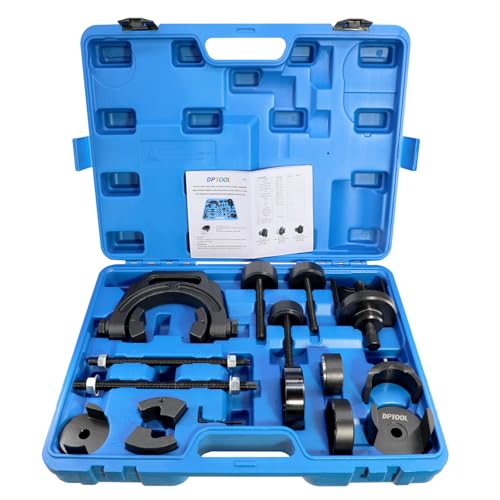
DPTOOL Bushing Press Kit Rear Axle Arm Suspension Bushing Removal Installation Tool Kit Compatible with Toyota Camry & Corolla MPV
Application: Compatible with Toyota Voxy, Camry, Harrier, Noah, Previa, Mark Ll, Isis, Altis, Wish, Corolla, Vios, Vitz, Avensis,…
As an affiliate, we earn on qualifying purchases.
As an affiliate, we earn on qualifying purchases.