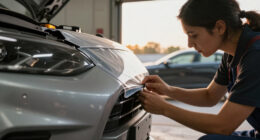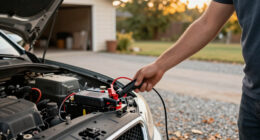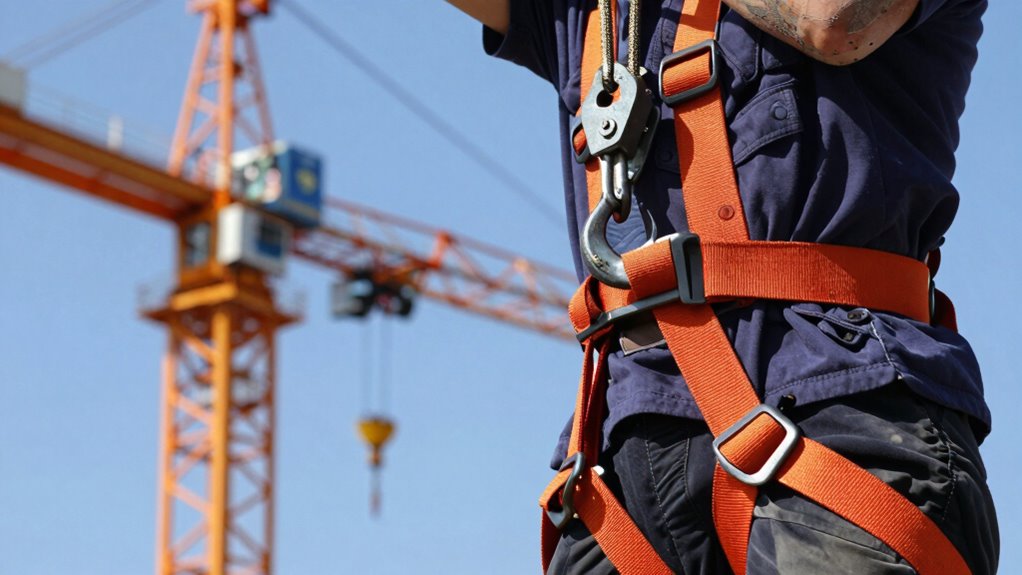

To stay safe when using your lifting gear, regularly inspect and maintain your equipment, focusing on straps, harnesses, and mechanical parts to prevent failures. Always plan the lift properly, assess the load’s weight, and use correct techniques like lifting with your legs and keeping the load close. Communicate clearly with your team and know emergency procedures. Staying vigilant and up-to-date with safety practices reduces risks—keep going to learn how to keep safety your top priority.

Get garage and car supplies delivered free — and shop member deals
- Fast, free delivery on millions of items
- Access to Prime Big Deal Days deals on October 6–7
- Prime Video, Amazon Music and more included
Key Takeaways
- Regularly inspect and maintain equipment to prevent malfunctions and ensure safety during lifts.
- Follow proper lifting techniques, including planning, clear communication, and team coordination.
- Know emergency procedures for gear failure or accidents to respond swiftly and effectively.
- Confirm readiness and clear signals before lifting to avoid miscommunication and mishaps.
- Continuously review safety protocols and keep gear properly stored to prolong equipment lifespan.

Lifting heavy or awkward objects can pose serious risks if not done correctly, which is why understanding proper lifting safety is essential. When you’re handling gear or loads, you need to be sure that your equipment is in top condition. Regular equipment maintenance is vital to prevent malfunctions that could lead to accidents. Before each lift, check your gear thoroughly—inspect straps, harnesses, and any mechanical components for wear, tears, or corrosion. Well-maintained equipment minimizes the chance of failure during a lift and guarantees that your safety is not compromised. Remember, neglecting maintenance can result in equipment failure at the worst possible moment, increasing injury risk and damaging your gear.
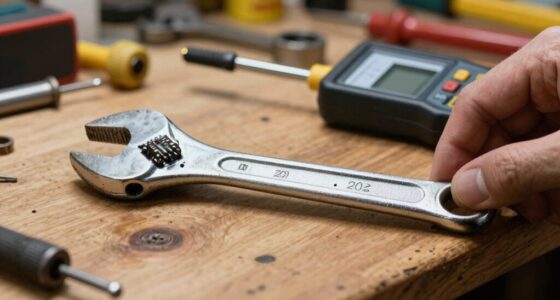
Regular equipment checks prevent malfunctions and ensure safety during lifts.
In addition to maintaining your equipment, you should be familiar with emergency procedures specific to your working environment. Knowing what steps to take when something goes wrong can make a substantial difference between a minor incident and a serious accident. Make sure you’re trained on how to respond if your gear malfunctions or if someone gets injured during a lift. Emergency procedures might include quick evacuation routes, first aid protocols, or how to safely shut down equipment. Being prepared for unexpected situations helps you stay calm and act swiftly, reducing potential harm to yourself and others. Additionally, understanding the importance of equipment inspections can greatly enhance your safety during lifts.
When you lift, always plan your move carefully. Assess the weight and size of the object, ensuring it’s within your equipment’s capacity. Use proper lifting techniques—bend at your hips and knees, keep the load close to your body, and lift with your legs rather than your back. Communication is essential, especially if you’re working with a team. Clearly signal your intentions, coordinate your movements, and confirm everyone is ready before proceeding. Proper planning and communication help prevent accidents caused by misjudgment or miscommunication during lifts. Regularly reviewing safety procedures and staying updated on best practices ensures you’re always prepared. Keeping yourself informed about safety protocols further supports safe lifting practices.
It’s also important to remember that lifting isn’t just a one-time action but an ongoing responsibility. Regularly reviewing safety procedures and staying updated on best practices ensures you’re always prepared. Keep your gear properly stored when not in use, and regularly update your training to include new safety insights or equipment innovations. Staying vigilant about equipment maintenance and emergency procedures not only protects you but also those around you. By combining proper technique, thorough equipment checks, and emergency preparedness, you considerably reduce the risks associated with lifting heavy or awkward objects. Your safety depends on your awareness and proactive approach, so always prioritize these fundamental safety principles every time you lift.
As an affiliate, we earn on qualifying purchases.
Frequently Asked Questions
How Often Should I Inspect My Lifting Gear for Wear and Tear?
You should inspect your lifting gear regularly, ideally before each use, to guarantee safety. Equipment maintenance is essential, so adhere to the recommended inspection frequency provided by the manufacturer or safety standards. Look for signs of wear, damage, or deterioration, and don’t ignore small issues—address them immediately. Regular inspections help prevent accidents and prolong your gear’s lifespan, keeping you safe during every lift.
What Are the Signs That My Lifting Gear Needs Replacing?
You should replace your lifting gear if you notice any signs of damage, such as fraying, cuts, or broken stitches, which compromise safety. Discoloration or stiffness can also indicate deterioration. Regular equipment maintenance is essential, and always follow safety protocols. If in doubt, replace the gear promptly to prevent accidents. Keep a close eye on wear and tear, and don’t risk using compromised equipment during lifts.
How Do I Properly Store Lifting Equipment to Ensure Longevity?
If you want your lifting equipment to last, you must store it properly. Always keep gear in sturdy storage containers, away from moisture and extreme temperatures. Implement a clear labeling system to track inspection dates and maintenance history. Neglect these steps, and hidden damage can silently weaken your gear, risking safety. Proper storage isn’t just a chore—it’s the key to ensuring your equipment stays reliable when it matters most.
Are There Specific Safety Certifications I Should Look for in Gear?
You should look for gear that meets certification standards like OSHA, ANSI, or CE, guaranteeing it adheres to recognized safety benchmarks. These certifications confirm the equipment has been tested for strength, durability, and safety. Always verify the labels and documentation before purchasing or using gear. Choosing certified equipment helps prevent accidents, ensures reliability, and keeps you compliant with safety regulations, giving you peace of mind during lifting operations.
What Should I Do if My Lifting Gear Fails Unexpectedly?
If your lifting gear unexpectedly fails, don’t panic—unless you’re aiming for a Darwin Award. Immediately stop the lift, follow your emergency procedures, and guarantee everyone’s safety. Check your gear maintenance records to identify issues, and don’t reuse faulty equipment. Report the failure to your supervisor and get new gear inspected. Remember, staying calm and acting swiftly keeps everyone safe and helps prevent future mishaps.
As an affiliate, we earn on qualifying purchases.
Conclusion
Remember, your gear is your trusted partner in lifting—treat it with respect, and it’ll serve you well. Think of safety as your sturdy anchor in a sea of heavy loads; it keeps you grounded and prevents accidents from capsizing your day. By following these tips, you’re not just lifting safely, you’re building a habit that keeps you strong and secure. Stay alert, stay safe, and lift like a pro who truly values their gear.
industrial gear inspection tools
As an affiliate, we earn on qualifying purchases.
As an affiliate, we earn on qualifying purchases.
emergency response first aid kit
As an affiliate, we earn on qualifying purchases.
As an affiliate, we earn on qualifying purchases.
Halloween Picks
halloween
As an affiliate, we earn on qualifying purchases.