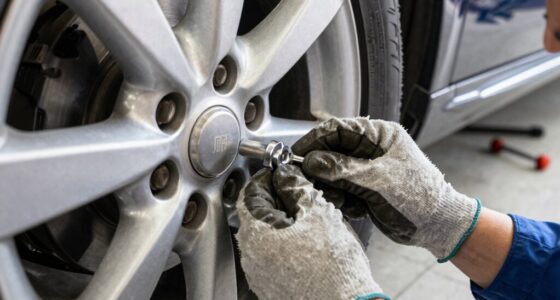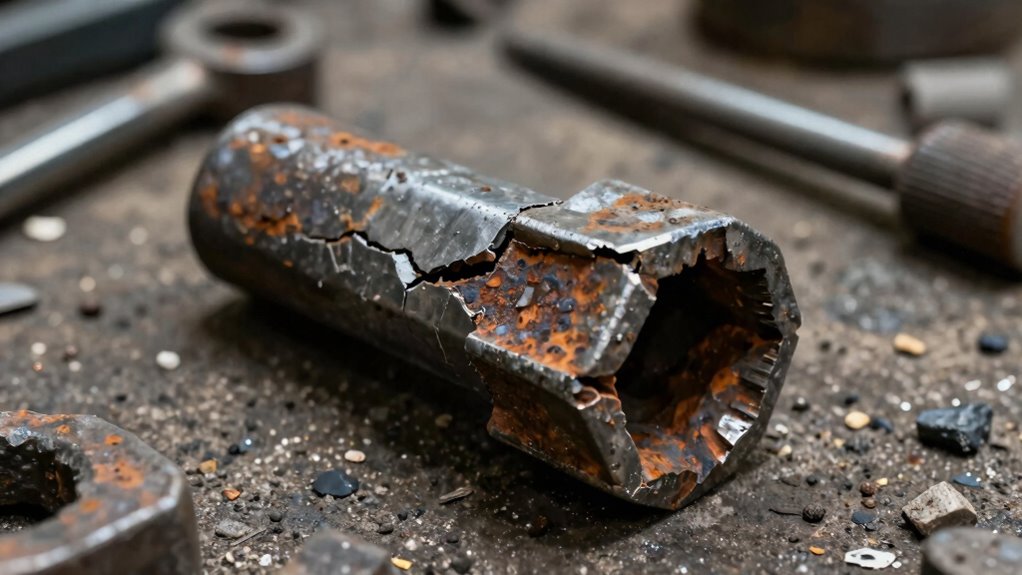

Using damaged or poorly maintained impact sockets can lead to sudden failure, causing parts or tools to break and potentially hurt you. If you don’t regularly inspect and clean your sockets, cracks or wear might go unnoticed, increasing the risk of slipping or breaking during use. Always make sure your sockets are in good condition and properly sized for the fastener. Keep hazards in check—better practices could save you from serious injuries. Keep going to learn more about preventing these risks.

Get garage and car supplies delivered free — and shop member deals
- Fast, free delivery on millions of items
- Access to Prime Big Deal Days deals on October 6–7
- Prime Video, Amazon Music and more included
Key Takeaways
- Damaged impact sockets can slip or break, causing flying debris that injures users.
- Regular inspection detects early signs of wear, preventing sudden tool failure and potential injuries.
- Using improperly fitted or worn sockets increases the risk of slipping and accidents.
- Proper maintenance and storage reduce corrosion and structural weakness that lead to failure.
- Following safety guidelines, including PPE, minimizes injury risks during impact socket use.
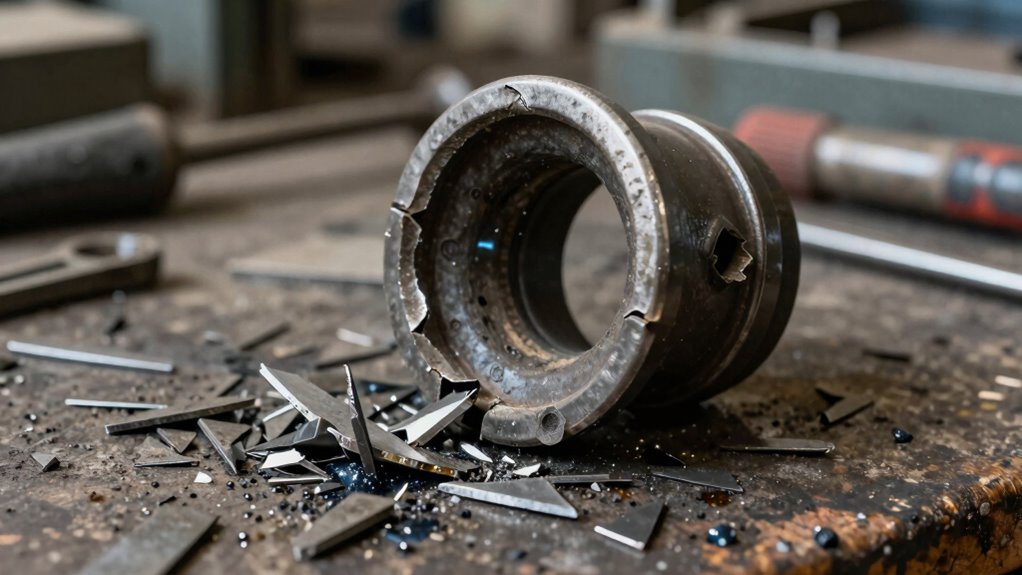
Impact sockets are essential tools for heavy-duty fastening, but using them safely is critical to prevent injuries and equipment damage. When working with impact sockets, you need to pay close attention to proper tool maintenance. Regularly inspecting your impact sockets for cracks, deformities, or signs of wear can prevent sudden failures during use. Damaged sockets are more likely to slip or break, which can cause serious injuries. Keep your impact sockets clean and free from debris, and store them in a dry, organized place to avoid corrosion. Proper tool maintenance extends the lifespan of your impact sockets and guarantees they perform reliably when you need them most.
Following safety guidelines is imperative to avoid accidents. Always wear appropriate personal protective equipment, such as gloves and eye protection, when operating impact tools. Secure your workpiece firmly before applying torque, and make sure the impact socket is properly seated on the fastener. Using the correct size socket for the job ensures a snug fit, reducing the chance of slipping or damaging the fastener or socket. Never use a damaged or worn impact socket, even if it still appears functional; a compromised socket can suddenly fail under pressure, leading to potential injury. Recognizing early signs of wear and fatigue can help prevent sudden tool failure and injuries. Additionally, understanding the failure modes that impact sockets are susceptible to can help prevent accidents and injuries, as recognizing early signs of wear allows for timely replacement. Proper tool inspection and maintenance are key to avoiding unexpected failures during operation. Being aware of common failure modes can also guide you in selecting the right tools and practices for your tasks. Regularly consulting manufacturer guidelines and proper usage techniques can further reduce the risk of impact socket failure. Remember, safety guidelines are not just suggestions—they’re essential steps to protect yourself and your coworkers from harm. Regularly reviewing safety protocols and maintaining your impact sockets ensures you work efficiently and safely, reducing the risk of accidents caused by tool failure.
As an affiliate, we earn on qualifying purchases.
Frequently Asked Questions
Can Impact Sockets Be Safely Used With Non-Impact Tools?
No, you shouldn’t use impact sockets with non-impact tools. Impact sockets are designed with material durability to withstand high torque from impact tools, and they rely on proper compatibility with impact wrench standards. Using them with non-impact tools can cause damage or failure, risking injury. Always make sure you match impact sockets to impact tools, and use regular sockets with hand tools for safety and ideal performance.
What Are Common Signs of Impact Socket Failure?
You’ll notice impact socket failure through signs like cracks, chips, or deformation, which indicate material fatigue. Sometimes, manufacturing defects cause weak spots that lead to sudden breakage. Always inspect your impact sockets for any visible damage before use. If you see corrosion, excessive wear, or deformities, replace the socket immediately. Regularly look for these signs to prevent accidents and guarantee safe, effective use of your tools.
How Should Impact Sockets Be Stored to Prevent Damage?
Think of impact sockets as delicate treasures that need careful guarding. Store them in a designated, padded toolbox or rack to prevent damage. Keep them away from moisture, extreme temperatures, and rough surfaces. Proper storage safety guarantees they don’t clash or get bent, which could lead to failure. By organizing your impact sockets properly, you’re actively preventing damage and extending their lifespan, making your work safer and more efficient.
Are There Specific Safety Gear Recommendations When Using Impact Sockets?
When using impact sockets, you should wear protective gloves to prevent hand injuries and eye protection to guard against flying debris or sparks. Always make certain your gloves fit well and are suitable for impact work. Wearing safety glasses or goggles is essential to protect your eyes from potential fragments. These safety gear items help reduce injury risks, keeping you safe while working with impact sockets under high torque conditions.
What Are the Legal Safety Standards for Impact Socket Manufacturing?
Did you know that over 80% of impact sockets fail due to non-compliance with safety standards? Legally, impact socket manufacturing must meet strict safety standards like material compliance and manufacturing certifications, guaranteeing they withstand high torque without breaking. These standards protect users from accidents. Always verify that your impact sockets are certified, as compliant products reduce risks and ensure safety during heavy-duty tasks.
impact socket repair and maintenance tools
As an affiliate, we earn on qualifying purchases.
As an affiliate, we earn on qualifying purchases.
Conclusion
If you ignore impact socket safety, you’re inviting disaster to knock on your door. Imagine a tiny tool turning into a rocket, flying off with unstoppable force, smashing through walls and risking serious injury. One reckless mistake could release chaos like a fireworks explosion in your workspace. Stay vigilant, double-check your tools, and never underestimate the power of proper safety. Because when impact sockets fail, they turn everyday jobs into catastrophic battles—don’t let that be your story.
impact socket safety gloves and eye protection
As an affiliate, we earn on qualifying purchases.
As an affiliate, we earn on qualifying purchases.
As an affiliate, we earn on qualifying purchases.
Fall Picks
fall essentials
As an affiliate, we earn on qualifying purchases.