TL;DR

Get business pricing on garage and car supplies
- Business-only prices and quantity discounts
- Tax-exempt purchasing
- Multiple users, one account, clear invoices
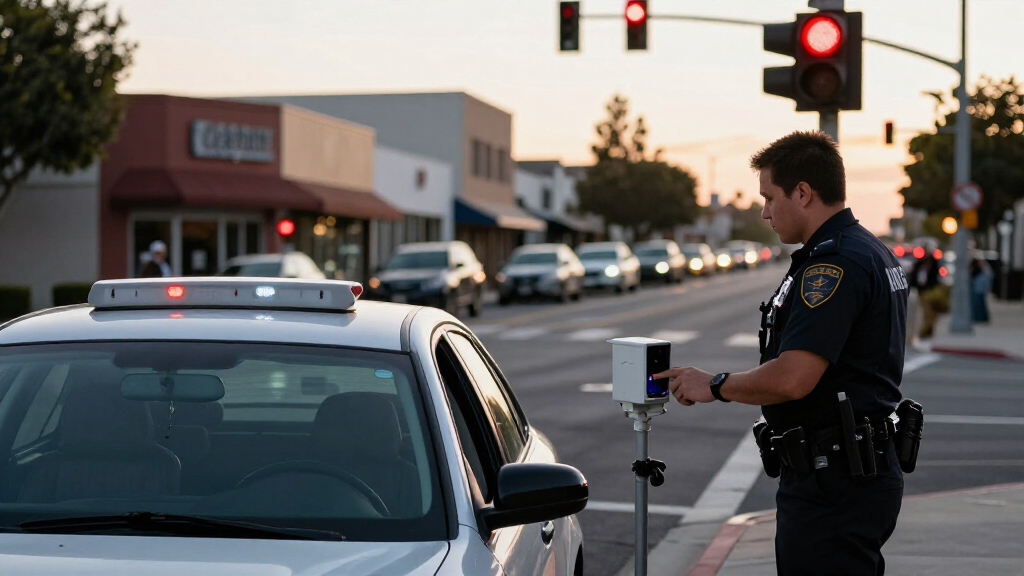
Four speed cameras recorded approximately 100,000 speeding infractions during a 10-day trial in Malibu, according to the city’s figures reported by KTLA and The Drive. No warnings or citations were issued during the trial, and Malibu has delayed the planned warning period while it studies traffic patterns in Carbon Canyon and Tuna Canyon.
Malibu has delayed the warning period for its planned speed-camera pilot after four cameras recorded approximately 100,000 speeding infractions during a 10-day trial in September, according to city figures reported by KTLA and The Drive. The trial readings did not lead to warnings or citations; the city says it is studying traffic patterns in Carbon Canyon and Tuna Canyon before moving ahead.
The cameras were operating during the trial, and drivers may have seen them flash, but no enforcement action was taken. Malibu said the system is not currently issuing warnings or citations, accessing driver information from the Department of Motor Vehicles, or otherwise taking enforcement action. The recorded infractions are therefore trial data, not tickets or formal findings against individual drivers.
City officials said the four cameras recorded the approximately 100,000 infractions, with most occurring in eastern Malibu. The city is long and narrow, running east to west along Pacific Coast Highway, a main focus of the planned enforcement program. Officials have delayed the warning period scheduled to follow the trial while examining traffic patterns in the two canyon areas.
Under the planned system, enforcement would apply to drivers traveling at least 11 mph above the posted limit. The penalties described by the city are graduated: $50 for 11 to 15 mph over the limit, $100 for 16 to 25 mph over, $200 for 26 mph or more over, and $500 for speeds of 100 mph or more. The city newsletter said the program would not add license points or insurance penalties. Those penalties are planned terms, not charges imposed during the trial.
Why Malibu Paused Enforcement
The trial’s large number of recorded infractions has prompted Malibu to review local driving patterns before it begins issuing warnings. That pause matters to residents and commuters because the cameras are intended to support speed enforcement on roads that include Pacific Coast Highway, while the city says it wants to study conditions in specific canyon areas before implementation.
The figures alone do not show how many distinct vehicles were involved, how readings were distributed by day or location, or what share of traffic was speeding. Nor do they establish that every recorded reading would result in a citation under the final program. The result is a substantial set of trial observations that the city says it will evaluate, rather than evidence of 100,000 tickets or penalties.
Malibu has said revenue would go toward the costs of the camera system and Pacific Coast Highway safety activity, and that program performance and data would be reported regularly to the Public Safety Commission and the public. Those commitments make the city’s forthcoming explanation of the trial and its enforcement plans relevant to people who use the roads and those concerned about how the system operates.
Products Worth Considering

VIOFO A229 Pro 3-Channel 4K Dash Cam with STARVIS 2 Sensors

VIOFO A229 Plus Dual-Channel 2K Dash Cam with Front and Rear HDR

Vantrue N2X 2.7K Dual Dash Cam (Front and Inside)
As an affiliate, we earn on qualifying purchases.
From Trial Readings to Citations
The September trial preceded a warning period that had been planned for this fall. Instead of moving directly to warnings, the city delayed that phase to study traffic patterns in Carbon Canyon and Tuna Canyon and make necessary installation changes. The stated purpose, according to the city’s comments to KTLA, is to evaluate the information before the program is implemented.
The planned system would use cameras designed for traffic enforcement. Malibu’s September newsletter said that a detected violation would be recorded, that privacy protections would apply, and that drivers would not receive license-point or insurance penalties. These are descriptions of the planned program; the city has not begun issuing warnings or citations through the cameras.
The Drive’s report also raised a broader concern that cameras capable of recording a vehicle’s plate and the time of capture could, depending on their use, support speed enforcement. That point is separate from the Malibu trial: the source material does not establish that the cameras in this program were used to track vehicles between locations or calculate speeds by matching separate camera records.
“The cameras are not currently issuing warnings or citations, accessing driver information from the DMV, or taking enforcement action.”
— City of Malibu, in a statement reported by KTLA
What the Trial Data Does Not Show
The available reporting does not specify the trial’s daily counts, the camera-by-camera breakdown, the number of unique vehicles recorded, or the exact speeds associated with the readings. The reported figure is approximately 100,000 infractions over 10 days; the source material does not provide a comparison baseline or further detail on how the city counted them.
It is also unclear how long the traffic studies and installation changes will take, when a warning period might begin, or whether the city will revise the proposed thresholds or penalties. The city has said it will evaluate the information, but the reporting does not include a completed study or a decision to start enforcement. No trial reading should be treated as a citation.
Traffic Studies Before Launch
Malibu says it will continue evaluating the trial information and complete necessary installation changes and traffic studies, including work focused on Carbon Canyon and Tuna Canyon. The city has not announced a new date for the warning period in the material available.
The next public developments to watch are the study findings, any revised implementation schedule, and the city’s planned reporting to the Public Safety Commission and public. Until Malibu announces that the system has moved into its warning or enforcement phase, the cameras’ trial readings remain non-enforcement data.
Key Questions
Did Malibu issue 100,000 tickets?
No. The approximately 100,000 figure refers to speeding infractions recorded during a 10-day trial. The city said the cameras were not issuing warnings or citations and were not taking enforcement action.
Why has Malibu delayed the camera program?
The city delayed the planned warning period while it studies traffic patterns in Carbon Canyon and Tuna Canyon and completes necessary installation changes. It has not provided a new start date in the source material.
Where were most of the trial readings recorded?
City officials said most of the recorded infractions were in eastern Malibu. The available report does not give a camera-by-camera breakdown or detailed counts by road.
What penalties are planned if enforcement begins?
The proposed penalties begin at $50 for driving 11 to 15 mph over the limit, rising to $100 for 16 to 25 mph over, $200 for 26 mph or more over, and $500 for 100 mph or more over. These are planned terms; no penalties were issued during the trial.
When will the cameras start issuing warnings or citations?
No revised date has been announced in the available reporting. Malibu says it will first evaluate the trial data, conduct traffic studies, and complete installation changes.
Source: rss