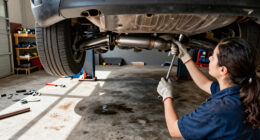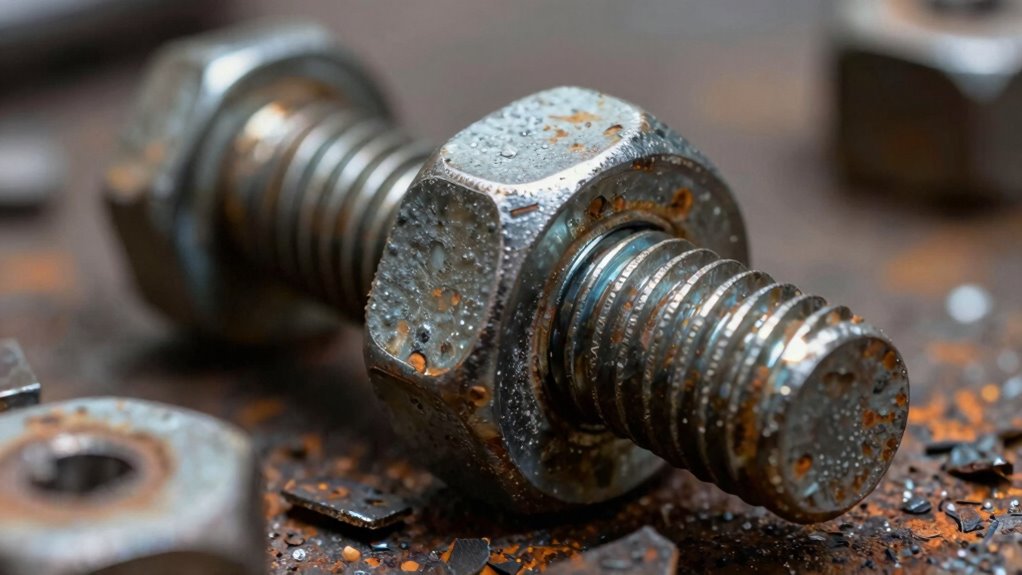
To remove a rounded bolt, start by gripping it firmly with locking or needle-nose pliers, possibly wrapping the bolt for better grip. If that fails, apply penetrating oil and then use a bolt extractor set, selecting the right size for a secure grip. Always wear safety gear before attempting power tools, and if these methods don’t work, you can cautiously cut the bolt with a grinder. Follow this escalation ladder carefully, and you’ll find more effective techniques to tackle your situation.

Get garage and car supplies delivered free — and shop member deals
- Fast, free delivery on millions of items
- Access to Prime Big Deal Days deals on October 6–7
- Prime Video, Amazon Music and more included
Key Takeaways
- Start with gripping tools like locking pliers or needle-noses, applying penetrating oil to loosen rust.
- Progress to bolt extractors designed for rounded or stripped bolts, ensuring proper size and fit.
- Use power tools cautiously, such as impact drivers or grinders, with appropriate safety precautions.
- Consider drilling small pilot holes to enhance extractor grip and improve removal success.
- Resort to cutting the bolt only as a last measure, following a systematic escalation approach.
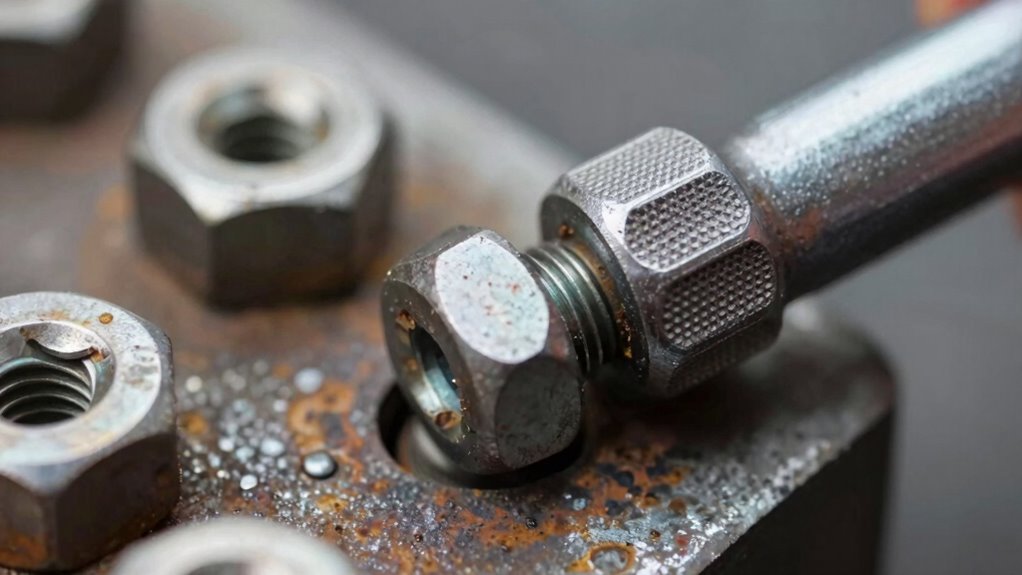
Ever struggled with removing a rounded bolt that refuses to budge? You’re not alone. These stubborn fasteners can be a real headache, especially when they’re stripped down to the point where traditional tools won’t grip. The good news is, there’s a methodical approach called the escalation ladder that works—starting with simple solutions and progressing to more aggressive techniques. The key is knowing which tools to use and understanding the importance of safety precautions at each step.
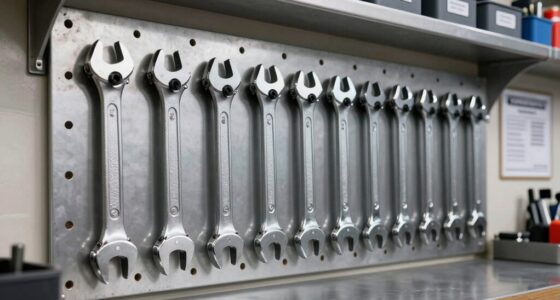
First, you want to check tool compatibility. Using the wrong tools can cause further damage or slip, making the problem worse. For rounded bolts, a good starting point is a set of locking pliers or needle-nose pliers. These allow you to grip the bolt firmly and turn it out, but only if the bolt isn’t too stripped. If they slip or don’t grip well enough, don’t force it—try wrapping the bolt with a piece of steel wire or duct tape to increase grip, then try again. If these basic tools don’t work, move up to a bolt extractor set. These are designed specifically for stripped or rounded bolts, with hardened steel bits that bite into the damaged surface. Make sure you’re using the correct size of extractor for the bolt to avoid deforming it further.
As you escalate to more advanced methods, safety precautions become even more critical. When using power tools such as impact drivers or angle grinders, always wear eye protection and gloves. Sparks, metal shavings, or sudden tool slips can cause injury. Keep your workspace clear and stable, ensuring the tool is securely attached to avoid accidents. When drilling into a rounded bolt, start with a small pilot hole to help the extractor grip better. Use lubricant like penetrating oil beforehand to loosen rust or debris that might be causing the bolt to stick. Additionally, proper tools can greatly improve your success rate and safety during this process, so selecting the right equipment is essential. Understanding bolt removal techniques can also help you choose the most effective method for each situation. Being aware of different removal methods can help you adapt your approach to various circumstances and materials.
Furthermore, understanding the escalation ladder can help you systematically approach different stubborn fasteners, reducing the risk of unnecessary damage. If all else fails, you might need to resort to cutting the bolt off with a grinder or saw. This should be your last resort, as it can damage the surrounding material. Always double-check your tool compatibility and safety precautions before moving to this aggressive step. By following this escalation ladder—beginning with simple gripping tools, then progressing to extractors, and finally cutting if necessary—you minimize damage and maximize your chances of success. Keep safety at the forefront, and work carefully through each stage. With patience, proper tools, and precautions, even the most stubborn rounded bolt can be removed efficiently and safely.
bolt extractor set for rounded bolts
As an affiliate, we earn on qualifying purchases.
As an affiliate, we earn on qualifying purchases.
Frequently Asked Questions
What Tools Are Best for Removing Rounded Bolts?
To remove rounded bolts, you should start with a bolt extractor, which grips the bolt securely for easy removal. If that doesn’t work, an impact wrench is highly effective, delivering high torque to loosen stubborn bolts. Combining these tools allows you to escalate your approach efficiently. Use a bolt extractor first for precision, then switch to an impact wrench if needed, ensuring you can remove the bolt without damaging surrounding material.
How Can I Prevent Bolts From Rounding in the Future?
Imagine you’re working on a project and want to prevent bolts from rounding, especially due to bolt corrosion or thread stripping. To do this, always use the right tools, like a quality socket set, and apply even, adequate torque. Applying anti-seize compound during installation helps prevent bolt corrosion and thread stripping. Regularly inspecting and maintaining bolts also reduces the risk of damage, ensuring they stay secure and easy to remove later.
Is It Safe to Use Heat on a Stuck Bolt?
Using heat on a stuck bolt can be safe if done correctly, especially since heat application helps expand the metal and break down bolt corrosion. You should apply heat carefully, avoiding nearby components that might be sensitive to high temperatures. Use a heat gun or torch with caution, and always wear protective gear. Remember, heat can weaken the bolt or surrounding materials if overdone, so proceed slowly and monitor the process.
What Are the Signs of a Severely Rounded Bolt?
Like a knight facing a dragon, you’ll notice a severely rounded bolt by its stripped head, making a standard socket impossible to grip. Look for signs like bolt corrosion or thread damage, which weaken the bolt’s grip. If you see these, it indicates extreme wear, and your removal efforts need escalation. Ignoring these signs can lead to further damage, so act quickly before the bolt becomes a total lost cause.
Can I Reuse a Bolt After Removal?
You can’t typically reuse a bolt after removal if it shows signs of damage or wear. For proper bolt maintenance and fastener safety, inspect the bolt thoroughly for any deformation, corrosion, or stripped threads before reusing. If the bolt looks compromised, replace it to guarantee secure fastening and prevent failure. Always prioritize safety and follow manufacturer guidelines for reusing fasteners to maintain integrity and safety standards.
As an affiliate, we earn on qualifying purchases.
Conclusion
When faced with a rounded bolt, think of the escalation ladder as your trusty climbing rope—each step carefully chosen to reach the summit of success. You’re not alone in this challenge; with patience and the right tools, you’ll turn a stubborn obstacle into a conquered peak. So, gear up, stay persistent, and remember—every twist and turn brings you closer to victory. Your toolbox is your map, guiding you through the climb to triumph.
impact driver for stubborn bolts
As an affiliate, we earn on qualifying purchases.
As an affiliate, we earn on qualifying purchases.
As an affiliate, we earn on qualifying purchases.
Halloween Picks
halloween
As an affiliate, we earn on qualifying purchases.