
TL;DR

Get business pricing on garage and car supplies
- Business-only prices and quantity discounts
- Tax-exempt purchasing
- Multiple users, one account, clear invoices
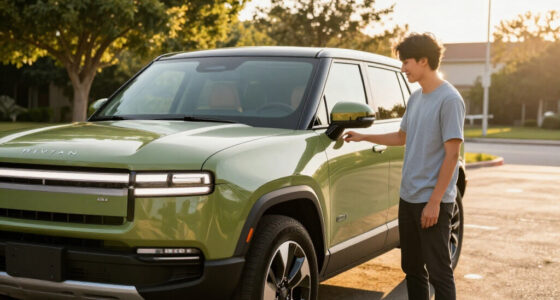
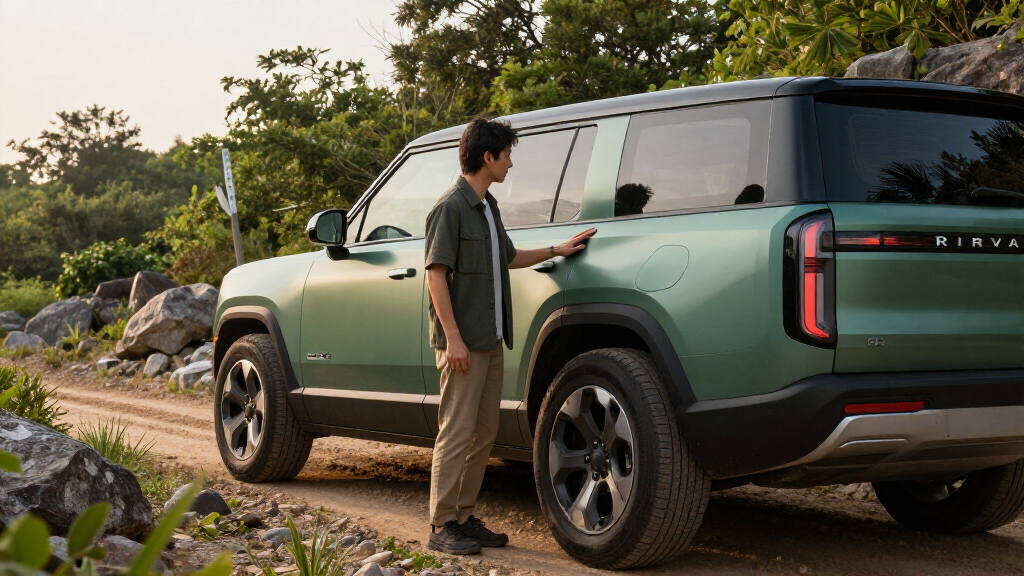
Rivian states that the new R2 electric SUV will have a carbon footprint 50% lower than the current R1S model. The claim highlights the company’s focus on sustainability, but details about the methodology remain unconfirmed.
Rivian has publicly stated that its upcoming R2 electric SUV will have a carbon footprint half that of the R1S, its current flagship model. Rivian Just Made The R1S And R1T Feel A Whole Lot Newer For Free The company emphasizes this reduction as part of its broader commitment to sustainability and environmental responsibility. While specific details about the measurement methods are not yet available, the claim underscores Rivian’s focus on improving the environmental impact of its vehicles. To see how Rivian is innovating, check out this recent update on Rivian’s advancements.
According to Rivian, the R2 model will produce approximately 50% less carbon emissions during manufacturing and operation compared to the R1S. The statement was made in a recent company update, with Rivian executives highlighting the importance of reducing the automotive industry’s environmental footprint. Learn more about Rivian’s efforts in their latest innovations. The R2 is expected to be a smaller, more affordable electric SUV, aimed at expanding Rivian’s market reach.
Rivian did not specify the exact metrics or testing standards used to arrive at this figure. Industry analysts note that such claims typically involve lifecycle assessments, including manufacturing, supply chain, and usage emissions, but without detailed data, the precise basis for the claim remains unclear. Rivian has not yet published detailed environmental reports or independent verification for this statement.
Impact of Rivian’s Emissions Reduction Claim
This announcement is significant because it positions Rivian as a leader in sustainable EV manufacturing, especially in the context of increasing regulatory and consumer pressure for environmentally friendly vehicles. If accurate, a 50% reduction in carbon footprint could influence competitors and accelerate industry-wide efforts toward greener electric vehicles. It also aligns with global climate goals, emphasizing automakers’ roles in reducing greenhouse gas emissions.
However, the lack of detailed data means the industry and consumers will likely await further verification. The claim could bolster Rivian’s brand image and appeal to environmentally conscious buyers, but skepticism remains until independent assessments are available.
electric SUV carbon footprint reduction
As an affiliate, we earn on qualifying purchases.
As an affiliate, we earn on qualifying purchases.
Rivian’s Sustainability Goals and Industry Trends
Rivian has positioned itself as a forward-thinking electric vehicle manufacturer with a focus on adventure and sustainability. The company’s current flagship, the R1S, has faced scrutiny over its manufacturing emissions and supply chain impacts. The upcoming R2 is expected to be a more compact and affordable model, designed to broaden Rivian’s market share.
Industry-wide, automakers are increasingly emphasizing sustainability, with many announcing plans to reduce lifecycle emissions and improve supply chain transparency. Rivian’s claim fits into this broader trend, which is driven by regulatory pressures, investor expectations, and consumer demand for greener vehicles. The specific claim about the R2’s reduced carbon footprint appears to be a strategic positioning move, but independent verification is still pending.
Interest in this topic has surged in recent weeks, likely driven by Rivian’s statement and broader industry commitments to sustainability. The exact details and methodology behind the claim remain unconfirmed, making it a developing story.
As an affiliate, we earn on qualifying purchases.
Unverified Aspects of Rivian’s Emissions Claim
It is not yet clear what specific standards or lifecycle assessment methods Rivian used to determine the 50% reduction. The company has not released detailed environmental impact reports or independent verification. The actual emissions savings could vary depending on the assessment scope and data sources. Industry experts caution that without transparent methodology, the claim should be viewed as a strategic statement rather than a confirmed fact.
As an affiliate, we earn on qualifying purchases.
Next Steps for Confirming Rivian’s Environmental Claims
Rivian is expected to publish more detailed environmental data and possibly commission third-party assessments to verify its claim. The company may also showcase the R2’s actual performance and lifecycle emissions in future disclosures. Industry analysts will be watching for independent verification to determine the credibility and impact of Rivian’s sustainability progress. Meanwhile, competitors are likely to respond with their own environmental initiatives.
As an affiliate, we earn on qualifying purchases.
Key Questions
How does Rivian define the carbon footprint reduction?
Rivian has not yet disclosed specific definitions or measurement standards for the claimed reduction, leaving details about the scope and methodology unclear.
When will Rivian release the R2 to the market?
The company has announced the R2 will be available in the coming years, but an exact launch date has not been confirmed.
Can the claim be independently verified?
As of now, no independent verification has been provided. Industry experts await further data from Rivian or third-party assessments.
What does this mean for Rivian’s competitors?
If verified, Rivian’s claim could set a new benchmark for sustainability in EV manufacturing, prompting competitors to accelerate their own emissions reduction efforts.
Does this impact the price or features of the R2?
There is no direct information linking the emissions claim to the vehicle’s price or features at this time.
Source: rss
Columbus Day / Indigenous Peoples' Day Picks
long weekend sales
As an affiliate, we earn on qualifying purchases.