
TL;DR

Get business pricing on garage and car supplies
- Business-only prices and quantity discounts
- Tax-exempt purchasing
- Multiple users, one account, clear invoices
Vintage Modern founder and CEO Chau Nguyen told The Drive that many buyers drawn to classic cars want their appearance, not the reliability and safety compromises of an old vehicle. The company’s approach is to build modern vehicles with classic-inspired looks; the source report says its vehicles are FMVSS-certified and crash-tested.
Vintage Modern founder and CEO Chau Nguyen says many celebrity and high-end buyers who seek classic cars want the vintage look without the mechanical problems, limited functionality and safety trade-offs of an old vehicle. In an interview with The Drivecast, Nguyen described how his company shifted from traditional restorations toward modern vehicles with classic-inspired styling, a change that reflects a broader tension in the restoration market between nostalgia and everyday usability.
Nguyen told The Drive’s Kyle Cheromcha and Joel Feder that his own experience with older vehicles helped shape the business. He said he had owned classic trucks and cars, including an old Ford Bronco, an FJ40 Toyota Land Cruiser, a Mustang and an H1 Hummer. They looked appealing, he said, but proved problematic to own. Vintage Modern’s proposition is aimed at people who want a classic appearance while retaining the reliability and technology expected from a newer vehicle.
The report describes the company’s work as a form of “reverse restomod”: rather than updating an old vehicle’s components while preserving its original structure, the company makes newer vehicles look and feel older. The Drive says Vintage Modern builds vehicles that are FMVSS-certified and crash-tested. It does not provide model-specific certification documents, test results or details about which vehicles those claims cover.
Nguyen also recounted a moment that sharpened his concerns about traditional builds: delivering a restoration to basketball star LeBron James. He said he worried about the consequences if James were injured in the truck. The source report connects that concern to the company’s focus on safety, including the responsibility Nguyen feels for people who use its vehicles. The interview also addressed the difficulty of making a body swap work and turning viral attention into a sustainable business, though the supplied material does not include detailed answers on those subjects.
Why Buyers Choose Modern Underpinnings
The company’s approach addresses a practical problem for buyers: an old vehicle can offer distinctive styling and a nostalgic driving experience, but it may also come with reliability and usability limits. Nguyen’s account suggests that some customers want the design cues associated with classic cars without accepting every aspect of owning one.
Safety is part of that calculation. The source says Vintage Modern’s vehicles are crash-tested and FMVSS-certified, a distinction the report presents as central to its business. That matters to buyers considering a high-cost vehicle, but the available material does not establish how the company’s safety performance compares with specific new production vehicles or traditional restorations. Its business also illustrates how a restoration company can compete by changing what it sells: not simply an old car repaired or upgraded, but a modern vehicle built around classic styling.
Products Worth Considering

NOCO Boost GBX45 1250A 12V Lithium Jump Starter

NOCO Boost X GBX155 4250A UltraSafe Jump Starter

NOCO Boost GB70 2000A 12V Lithium Jump Starter
As an affiliate, we earn on qualifying purchases.
From Traditional Restorations to Reverse Restomods
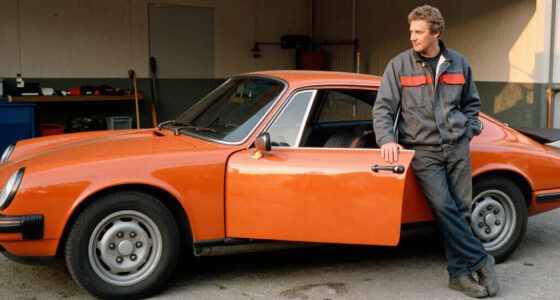
The Drive describes high-end restorations as a competitive, expanding business, with restored 1960s and 1970s Ford Broncos becoming status symbols among some celebrity buyers. Vintage Modern’s direction grew out of that market, but Nguyen says his experience with unreliable older vehicles led him to a different offering.
In the interview, Cheromcha contrasted the appeal of an original 1988 Chevrolet Blazer with the practical challenges of keeping it original, including emissions testing. That discussion framed a common choice for classic-car owners: preserve the original vehicle and accept its limitations, or modify it to make it easier to use. Vintage Modern’s model goes further by building modern vehicles around a classic look. The company calls its products “fully modernized classic” vehicles rather than traditional restomods, according to the interview.
“They all looked cool. And the other thing they all had in common was they were all very problematic.”
— Chau Nguyen, Vintage Modern founder and CEO, in The Drivecast interview
Certification and Business Details Still Sparse
The supplied report does not list the specific Vintage Modern models discussed, their prices, production volumes or delivery schedules. It also does not provide the underlying FMVSS certification records, crash-test protocols, results or the scope of vehicles covered, so readers cannot assess those details from the material provided.
Nguyen’s account describes what he sees as customer demand, but the source includes no buyer survey or sales breakdown showing how many customers are celebrities, how many prefer modernized vehicles over traditional restorations, or how that preference has changed over time. The interview’s discussion of making a body swap work and building a lasting business is introduced in the report, but the supplied transcript excerpt does not establish the technical process or the company’s financial performance.
Company’s Next Builds and Evidence
The source identifies the interview as a discussion of Vintage Modern’s business, the future of restomods, vehicle engineering and the path from viral attention to a sustainable company. It does not announce a new model, production target or future launch date. The next developments to watch are which vehicles the company offers, how it explains its certification and crash-testing process, and whether it publishes additional information about deliveries and customer demand.
The Drivecast episode is available through Spotify, Apple Podcasts and Amazon Music, according to The Drive. Until further company or regulatory documentation is provided, the report’s statements about certification and market demand remain attributable to the publication and Nguyen rather than independently detailed findings in the supplied material.
Key Questions
What does Vintage Modern build?
Vintage Modern builds vehicles with classic-inspired styling and modernized engineering, according to founder and CEO Chau Nguyen. The Drive describes the approach as a reverse restomod rather than a conventional restoration.
Why does Nguyen say buyers do not want a traditional classic car?
Nguyen says older vehicles can be unreliable and problematic to use. He argues that many buyers want the appearance of a classic car without giving up modern reliability, functionality and safety.
Are Vintage Modern vehicles crash-tested?
The Drive’s report says the company makes FMVSS-certified, crash-tested vehicles. The supplied material does not include model-specific test results, certification documents or details about which vehicles the statement covers.
What did LeBron James have to do with Nguyen’s change in approach?
The report says Nguyen became concerned about the safety responsibility involved after delivering a traditional restoration to LeBron James. It presents that experience as one influence on his interest in building modernized vehicles.
Source: thedrive.com