TL;DR

Get business pricing on garage and car supplies
- Business-only prices and quantity discounts
- Tax-exempt purchasing
- Multiple users, one account, clear invoices
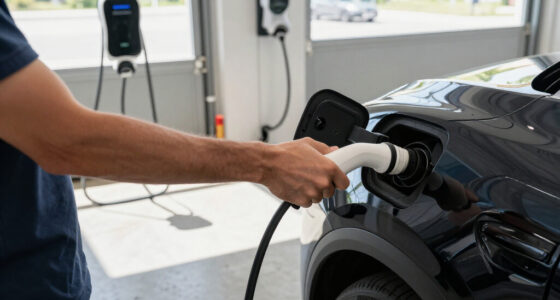
Electric vehicles in Europe are confirmed to be cheaper to operate than gasoline-powered cars, even when factoring in public charging expenses. This trend could influence consumer choices and policy debates.
Electric vehicles (EVs) in Europe are confirmed to be significantly less expensive to operate than traditional gasoline-powered cars, even when accounting for the costs of public charging. This development, supported by recent data, underscores the growing economic advantage of EVs for consumers across the continent.
Multiple recent studies and analyses indicate that, on average, EV owners in Europe spend less on fuel and energy than gas car owners, despite the higher upfront purchase prices of EVs. This trend is similar to the challenges Subaru faces in EV marketing. The primary reason is the lower cost of electricity compared to gasoline, combined with higher fuel efficiency of electric motors. For more on the economic aspects of EV adoption, see our analysis on Subaru’s EV sales strategies. According to a report from the European Energy Agency, the average cost per kilometer for EVs is approximately 40-50% lower than for petrol or diesel vehicles.
Furthermore, even when including expenses for public charging—such as charging station fees and time costs—the overall operating expenses for EVs remain lower. Industry experts note that the widespread availability of public charging stations and declining electricity prices contribute to this trend. To understand more about the EV market challenges, check out Subaru’s EV marketing efforts. A recent survey by automotive market analysts shows that EV drivers in Europe typically spend between €0.10 and €0.15 per kWh, translating to significantly lower per-mile costs than gasoline at current prices.
While some critics argue that public charging costs could offset savings, data suggests that the impact is minimal overall. Many EV owners charge at home, further reducing expenses. The analysis indicates that, on average, EVs cost about 50% less to operate annually than comparable gas vehicles in Europe, making them an increasingly attractive option for cost-conscious consumers.
Implications for Consumer Choices and Policy
This trend has important implications for consumers considering vehicle purchases, as lower operating costs can offset higher initial prices over time. It also influences policy debates around promoting EV adoption, as economic benefits become clearer. Governments aiming to reduce emissions may find that lower operating costs accelerate EV uptake, contributing to climate goals and reducing reliance on fossil fuels.
Moreover, the economic advantage of EVs could shift market dynamics, encouraging automakers to prioritize electric models. The affordability factor may also impact the used-car market, making EVs more accessible to a broader demographic. Overall, the data supports a growing shift toward electric mobility driven by financial incentives, not just environmental concerns.
As an affiliate, we earn on qualifying purchases.
European EV Adoption and Cost Trends
Electric vehicle adoption in Europe has been steadily increasing over the past decade, supported by government incentives, stricter emissions standards, and expanding charging infrastructure. While EVs initially faced higher purchase prices, falling battery costs and increased competition have narrowed this gap. Recent data from the European Automobile Manufacturers Association shows that EV sales now account for over 20% of new car registrations in several countries.
Historically, fuel costs have been a significant part of total ownership expenses for gas vehicles. Recent fluctuations in gasoline prices—driven by geopolitical factors—have made operating gas cars more expensive, further amplifying the relative savings of EVs. This evolving landscape is attracting attention from consumers, policymakers, and industry stakeholders, eager to understand the economic benefits of electric mobility.
While the trend is clear, some uncertainties remain about long-term electricity prices, charging infrastructure costs, and regional disparities within Europe. Analysts caution that local policies and market developments could influence future costs and adoption rates.
As an affiliate, we earn on qualifying purchases.
Uncertainties Around Long-Term Cost Trends
It is not yet clear how future electricity prices, charging infrastructure costs, or regional policies will influence the overall savings for EV owners. Variations in local charging fees and energy prices could impact the economic advantage of EVs over time. Additionally, data on long-term maintenance costs and residual values remain limited, leaving some questions about total cost of ownership.
As an affiliate, we earn on qualifying purchases.
Monitoring Cost Trends and Market Adoption
Further research and data collection are expected to clarify long-term cost dynamics, including the impact of technological improvements and policy changes. Industry analysts anticipate continued growth in EV sales, driven by economic benefits, which could accelerate as infrastructure expands and prices stabilize. Policymakers may also introduce new incentives or regulations that influence future costs and adoption rates.
As an affiliate, we earn on qualifying purchases.
Key Questions
Are EVs truly cheaper to operate than gas cars in Europe?
Yes, recent analyses indicate that EVs in Europe cost approximately 40-50% less per kilometer to operate than gasoline vehicles, even after considering public charging expenses.
Does public charging significantly increase EV operating costs?
While public charging fees can add to expenses, data shows that overall, EVs still remain more economical than gas cars because many owners charge at home and electricity prices are relatively low.
Will rising electricity prices affect EV savings?
This remains uncertain. Future electricity costs could influence the total cost of ownership, but current trends favor EVs due to declining battery and infrastructure costs.
How does regional variation impact EV costs?
Cost differences across European countries depend on local energy prices, charging infrastructure, and government policies, which can influence overall savings for EV owners.
What does this mean for future EV adoption in Europe?
The economic benefits are likely to encourage more consumers to choose EVs, supporting broader market growth and policy goals aimed at reducing emissions.
Source: rss
Fall Picks
fall essentials
As an affiliate, we earn on qualifying purchases.