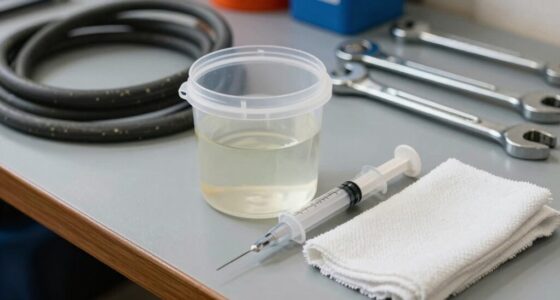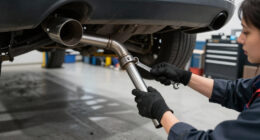
Brake cleaner and carb cleaner differ mainly in their chemical makeup. Brake cleaner contains chlorinated or hydrocarbon solvents that quickly dissolve brake dust and grime without leaving a film. Carb cleaner often includes stronger solvents designed to remove varnish and stubborn deposits inside carburetors. Their formulas influence safety, volatility, and proper use, so understanding these differences helps you choose the right product. If you want to know more about their specific chemical properties, keep exploring the details.
Listen free for 30 days with Audible
Thousands of audiobooks and originals — cancel anytime.
As an affiliate, we earn on qualifying purchases.
Key Takeaways
- Brake cleaner primarily contains chlorinated or hydrocarbon solvents that dissolve brake dust without leaving a film.
- Carb cleaner often includes stronger solvents designed to remove varnish and deposits inside carburetors.
- Both cleaners are volatile and flammable, but brake cleaner fumes tend to be more hazardous and flammable.
- Safety precautions include proper ventilation, gloves, eye protection, and avoiding heat or open flames during use.
- Proper disposal involves hazardous waste facilities, as both chemicals can contaminate the environment if misused.
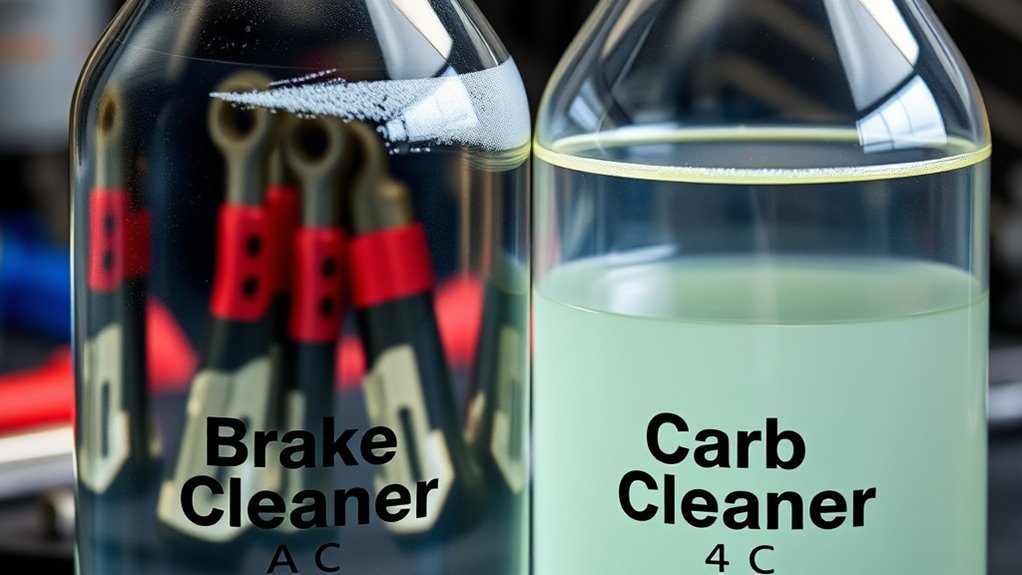
Brake cleaner and carb cleaner are essential tools for maintaining and repairing your vehicle’s engine components. While they might seem similar at first glance, their chemical compositions are quite different, and understanding these differences helps you use them safely and effectively. Both cleaners are designed to remove stubborn grime, grease, and debris, but they’re formulated for specific tasks, which is reflected in their chemical makeup. Brake cleaner typically contains chlorinated solvents or hydrocarbon solvents, which are highly effective at dissolving brake dust, grease, and other residues without leaving a film. Carb cleaner, on the other hand, often includes stronger solvents like carburetor cleaner solvents and sometimes chlorinated hydrocarbons, aimed at breaking down varnish and deposits inside the carburetor.
Knowing the chemical composition of these cleaners is vital for your safety. Chlorinated solvents, common in brake cleaners, are highly volatile and can produce dangerous fumes. When working with brake cleaner, you should always work in a well-ventilated area, wear gloves, and avoid inhaling the vapors directly. Some formulations are also flammable, so keep them away from open flames or heat sources. Carb cleaners, while also containing hazardous chemicals, tend to be less volatile but still require precautions. Always read the label carefully to understand the ingredients and recommended safety measures. Use eye protection to prevent splashes from reaching your eyes, and wash your hands thoroughly afterward.
Safety precautions extend beyond just wearing gloves and goggles. You should never spray these cleaners near open flames, sparks, or hot surfaces, as their fumes are flammable. Avoid prolonged skin contact, and keep the containers tightly sealed when not in use to prevent vapors from escaping. Also, store them in a cool, dry place away from children and pets. If you accidentally ingest or get these chemicals on your skin, seek medical attention immediately and follow the instructions on the safety data sheet. Proper disposal is equally important; never pour used chemical cleaners down the drain or onto the ground. Take them to a hazardous waste disposal facility to prevent environmental contamination.

CRC BRAKLEEN Brake Parts Cleaner – Non-Flammable -1lb 3 Oz (05089)
- Original Brake Parts Cleaner: Effective grease and brake dust remover
- Fast and Effective Cleaning: Removes oils, brake fluids, and contaminants
- Not for CA or NJ sale: Restricted in California and New Jersey
As an affiliate, we earn on qualifying purchases.
As an affiliate, we earn on qualifying purchases.
Frequently Asked Questions
Can Brake Cleaner Be Used on Plastic Parts Safely?
You shouldn’t use brake cleaner on plastic parts because of concerns about plastic safety and chemical compatibility. Many brake cleaners contain harsh chemicals that can melt or weaken plastics, leading to damage. Always check the label or manufacturer guidelines before applying. If in doubt, opt for a cleaner specifically designed for plastic surfaces to avoid unintended damage and guarantee safe, effective cleaning.
Are There Environmental Concerns When Disposing of Carb Cleaner?
You should be aware of the environmental impact when disposing of carb cleaner. Improper disposal can harm soil and water, so it’s essential to follow disposal regulations carefully. Always check local guidelines, use designated disposal facilities, and avoid pouring it down drains or onto the ground. Coincidentally, many of these regulations are in place because chemicals like carb cleaner can persist in the environment, causing long-term damage.
What Are the Health Risks of Inhaling Brake Cleaner Fumes?
Inhaling brake cleaner fumes poses respiratory hazards and risks from chemical exposure. You may experience dizziness, headaches, or respiratory irritation. Prolonged or high-level inhalation can damage your lungs or nervous system. Always use brake cleaner in well-ventilated areas, wear a mask or respirator, and avoid inhaling fumes directly. Proper precautions help protect your health from the dangerous effects of chemical exposure.
How Long Does Each Cleaner Typically Last in Storage?
You might think these cleaners last forever, but their storage duration and shelf life actually fluctuate. Typically, you can expect brake cleaner and carb cleaner to last about 1-2 years if stored in a cool, dry place away from direct sunlight. Over time, their effectiveness diminishes, so it’s wise to check for changes in smell or viscosity before use. Proper storage ensures they stay effective when you need them most.
Can These Cleaners Be Used Interchangeably in Emergency Situations?
You shouldn’t use brake cleaner and carb cleaner interchangeably in emergencies because their chemical safety profiles differ. Brake cleaner is designed specifically for brake systems and might contain harsh chemicals that aren’t safe for other uses. While they may seem similar, relying on them as emergency alternatives can pose health risks and damage parts. Always prioritize proper safety and use the correct cleaner for the intended task, avoiding risky shortcuts.

Tillbrook Ultrasonic Cleaner Solution – Makes 8 Gallons Concentrated Ultrasonic Carburetor Cleaner – 128 oz Cleaning Solution for Automotive Parts – Safe for All Metals – Removes Grease & Dirt
- High-Performance Cleaning: Restores carburetors and metal parts effectively
- Yields 8 Gallons: Concentrated formula makes 8 gallons of solution
- Easy to Use: Mix 2 cups per gallon for cleaning
As an affiliate, we earn on qualifying purchases.
As an affiliate, we earn on qualifying purchases.
Conclusion
Now that you understand the key chemical differences between brake cleaner and carb cleaner, imagine what could go wrong if you choose the wrong one for your job. One slip-up could mean damage to your engine or braking system, or worse, safety hazards you didn’t see coming. Stay sharp, select wisely, and remember—knowing what’s inside these cleaners isn’t just knowledge, it’s your first line of defense. The right choice could be the difference between a smooth fix and a costly mistake.
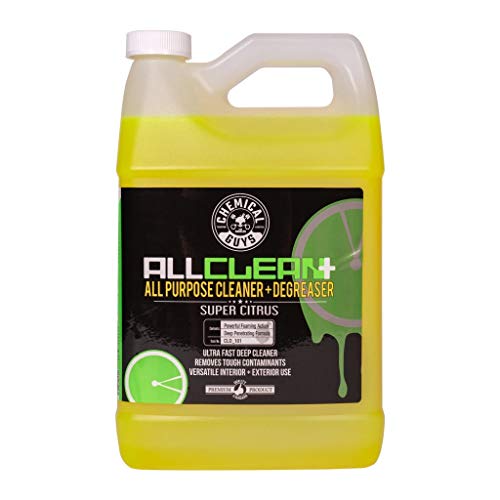
Chemical Guys CLD_101 All Clean+ Citrus-Based All Purpose Super Cleaner, Safe for Cars, Trucks, SUVs, Motorcycles, RVs & More, 128 fl oz (1 Gallon), Citrus Scent
- Versatile All-Purpose Cleaner: Cuts through dirt, grease, and grime
- Safe for Multiple Surfaces: Cleans carpets, tires, plastics, and engines
- Dilutable for Various Uses: Full strength or diluted for different surfaces
As an affiliate, we earn on qualifying purchases.
As an affiliate, we earn on qualifying purchases.

CYUXING 9Pcs Carburetor Cleaning Tool, Carb Jet Cleaning Kit & Welding Tip Cleaner with Stainless Steel Needles, Brushes & Hooks for Motorcycle ATV Chainsaw & Welder Professional
- High-Quality Materials: Stainless steel and nylon for durability
- Precise Cleaning Tools: Needles and brushes clear tiny passages
- All-in-One Maintenance Kit: Includes tools for carb and welding cleaning
As an affiliate, we earn on qualifying purchases.
As an affiliate, we earn on qualifying purchases.
Flea & tick season Picks
flea and tick prevention
As an affiliate, we earn on qualifying purchases.