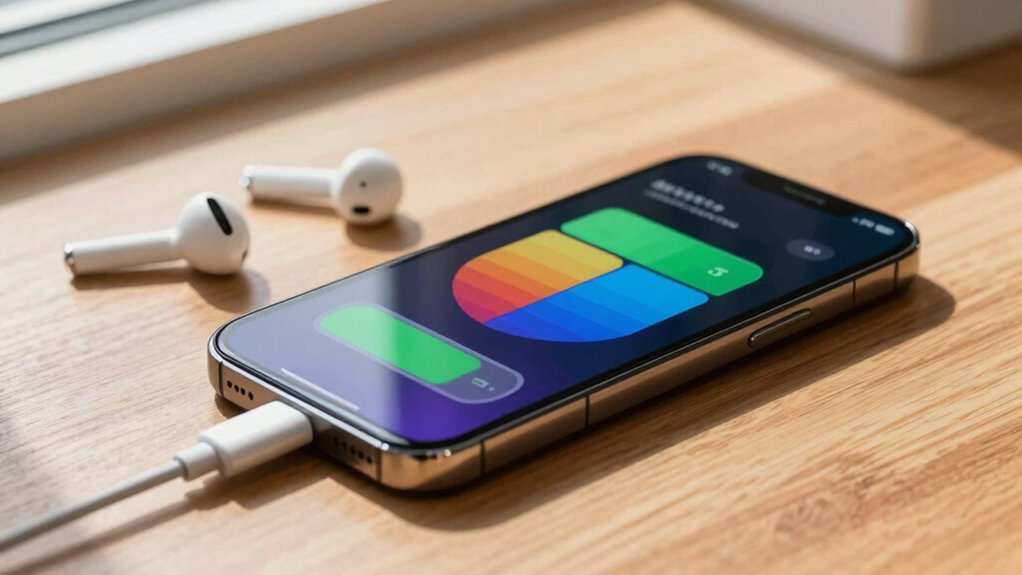

To evaluate your device’s battery health, start by using built-in tools to check capacity and cycle count regularly. Fully calibrate your battery by draining it completely then charging to 100% to reset the indicator. Practice good charging habits—keep charges between 20% and 80%, avoid constant topping-off, and unplug once full. Watch for signs of wear or quick capacity drops. Keep thermal conditions in check to prevent overheating. Continue exploring for more tips to keep your battery in top shape.

Get garage and car supplies delivered free — and shop member deals
- Fast, free delivery on millions of items
- Access to Prime Big Deal Days deals on October 6–7
- Prime Video, Amazon Music and more included
Key Takeaways
- Regularly use built-in battery health tools to monitor capacity, cycle count, and overall condition of your device’s battery.
- Perform periodic calibration by fully draining and recharging the battery to maintain accurate health readings.
- Follow best charging practices, such as partial charging between 20-80%, to minimize capacity loss and prolong battery life.
- Watch for signs of degradation like rapid capacity drops or early shutdowns, and address issues promptly.
- Manage thermal conditions and avoid heat exposure to prevent accelerated battery deterioration.
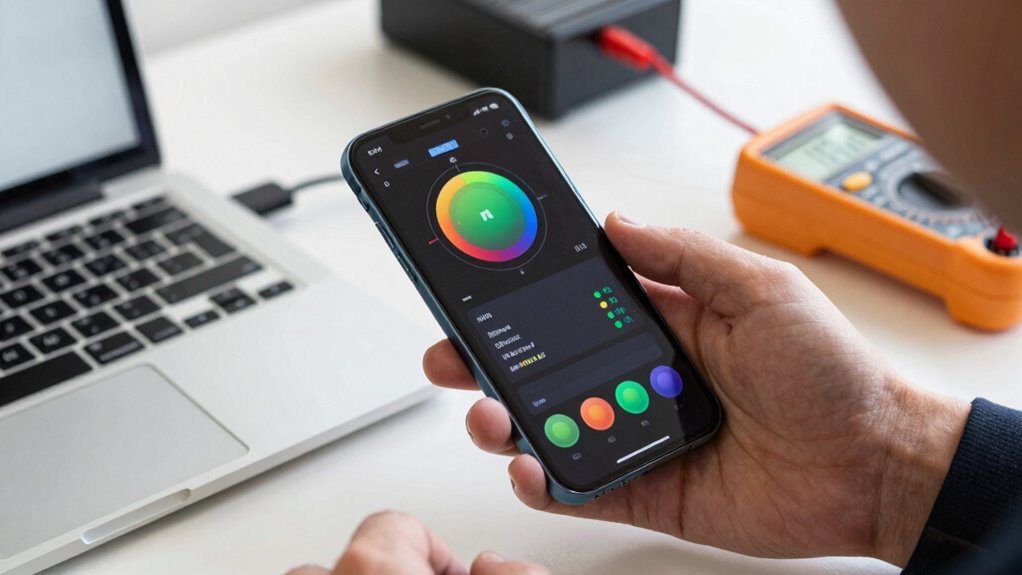
Understanding your battery’s health is indispensable to guaranteeing it performs reliably and lasts longer. When you’re constantly using your device, whether it’s a smartphone, laptop, or camera gear, keeping tabs on its battery health helps you avoid unexpected shutdowns and extend its lifespan. One of the most effective ways to do this is through proper battery calibration. Battery calibration involves fully draining and then fully charging your device’s battery to reset the battery indicator and provide accurate readings. Performing this process periodically ensures you get precise information about your battery’s capacity and health status. It’s a simple but critical step in maintaining peak performance, especially if you notice your device’s battery percentage jumping erratically or shutting down prematurely.
Alongside calibration, adopting the right charging best practices plays an important role in preserving your battery’s longevity. Instead of constantly topping off your device or letting the battery drain completely every time, aim for partial charges—keeping your battery between 20% and 80%. This approach reduces stress on the battery cells and minimizes capacity loss over time. Avoid leaving your device plugged in at 100% for extended periods, as overcharging can generate heat and accelerate battery wear. When possible, unplug your device once it hits full charge and let the battery drain naturally to around 20% before recharging. These habits help maintain the health of your battery cells and keep your device running reliably for longer periods. Regularly monitoring your battery’s health status can give you valuable insights into its condition. Many devices now have built-in tools that report battery capacity and cycle count, which indicates how many full charge-discharge cycles your battery has gone through. If you notice a significant drop in capacity or a high cycle count, it might be time to think about replacing the battery. Additionally, understanding the battery degradation process can help you take proactive steps to slow down capacity loss and extend your device’s lifespan. Recognizing battery health indicators can help you take timely actions to maintain optimal device performance. Maintaining proper thermal management also plays a crucial role in preventing rapid battery deterioration, especially during intensive use. Regularly inspecting your device’s battery health status can help identify early signs of wear before issues become severe.
smartphone battery health monitor
As an affiliate, we earn on qualifying purchases.
As an affiliate, we earn on qualifying purchases.
Frequently Asked Questions
How Often Should I Test My Device’s Battery Health?
You should test your device’s battery health every three to six months, especially if you notice it’s draining faster or charging slowly. Regular testing helps you spot issues early and maintain good charging habits. Perform battery calibration by fully draining and recharging your device periodically, which can improve accuracy. Staying consistent with these checks guarantees you’re aware of your battery’s condition and can take action to extend its lifespan.
Can Battery Health Testing Damage My Device?
Battery health testing generally doesn’t damage your device if you follow proper procedures. Techniques like battery calibration and power cycle testing are safe when done correctly, helping you gauge your battery’s true capacity. Avoid excessive testing, which can strain the battery, and always follow manufacturer instructions. Regular calibration and cycling can actually extend your battery’s lifespan, ensuring accurate readings without risking damage to your device.
What’s the Best Tool for Testing Smartphone Batteries?
Think of your smartphone’s battery as a delicate garden needing careful tending. The best tool for testing battery health is an app that measures battery calibration and tracks charging cycles, revealing how well your battery’s holding up. These tools act like a gardener’s magnifying glass, helping you spot wear and tear early. Use them regularly to keep your device’s power garden thriving, ensuring longer-lasting performance and fewer surprises.
How Do Temperature Changes Affect Battery Health Tests?
Temperature changes can profoundly impact battery health tests. When it’s hot, thermal expansion occurs, causing the battery to swell slightly and potentially skew test results. Cold temperatures can slow chemical reactions, leading to underestimated battery capacity. Both extremes accelerate battery degradation over time. To get accurate readings, perform tests in a stable, moderate environment, avoiding temperature fluctuations that can distort your assessment of the battery’s true health.
Is There a Difference Between Battery Capacity and Health?
Yes, there’s a difference between battery capacity and health. Capacity refers to how much charge your battery can hold, directly impacting battery longevity. Health, on the other hand, indicates the overall condition of your battery, including capacity degradation over time. As your battery ages, capacity drops, but health also factors in other issues like increased internal resistance. Monitoring both helps you understand your battery’s true state and when to replace it.
As an affiliate, we earn on qualifying purchases.
Conclusion
By regularly testing your battery health, you stay ahead of potential issues and keep your gear running smoothly. Think of it like a fitness check for your device—catch problems early before they become costly. This proactive approach isn’t just about prolonging battery life; it’s about ensuring your gear performs when you need it most. Stay vigilant, test often, and enjoy the peace of mind that comes with a healthy battery. Your device will thank you.
As an affiliate, we earn on qualifying purchases.
As an affiliate, we earn on qualifying purchases.
Fall Picks
fall essentials
As an affiliate, we earn on qualifying purchases.