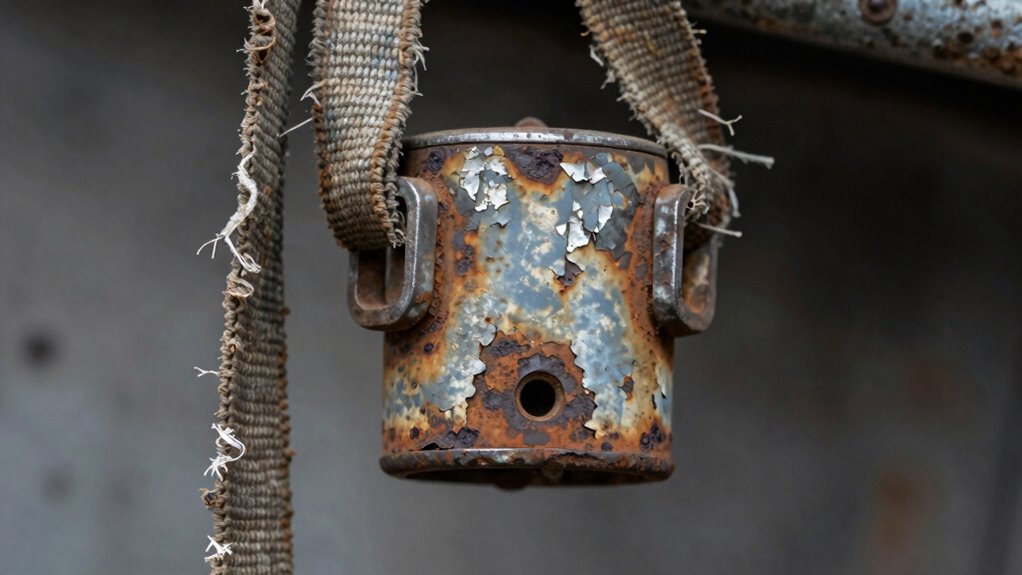

The recovery attachment points that fail first are often weaker components like shackles, slings, or connection hooks that show signs of corrosion, cracks, or deformation. These vulnerable parts can weaken under stress, causing failure and risking injuries or accidents. It’s essential to regularly inspect these points for fatigue or damage and never rely solely on visual checks. Staying aware of these weak links helps prevent failure—if you want to know more about spotting these hazards, keep going.

Get garage and car supplies delivered free — and shop member deals
- Fast, free delivery on millions of items
- Access to Prime Big Deal Days deals on October 6–7
- Prime Video, Amazon Music and more included
Key Takeaways
- Weakest links, such as corroded shackles or fatigued slings, are most likely to fail first under stress.
- Internal damage or cracks may go unnoticed during visual inspections but can cause early failure.
- Overloading beyond rated capacities significantly increases the risk of attachment point failure.
- Components with wear, deformation, or corrosion compromise load-bearing integrity and tend to fail prematurely.
- Improper setup or uneven load distribution stresses vulnerable points, leading to early failure.
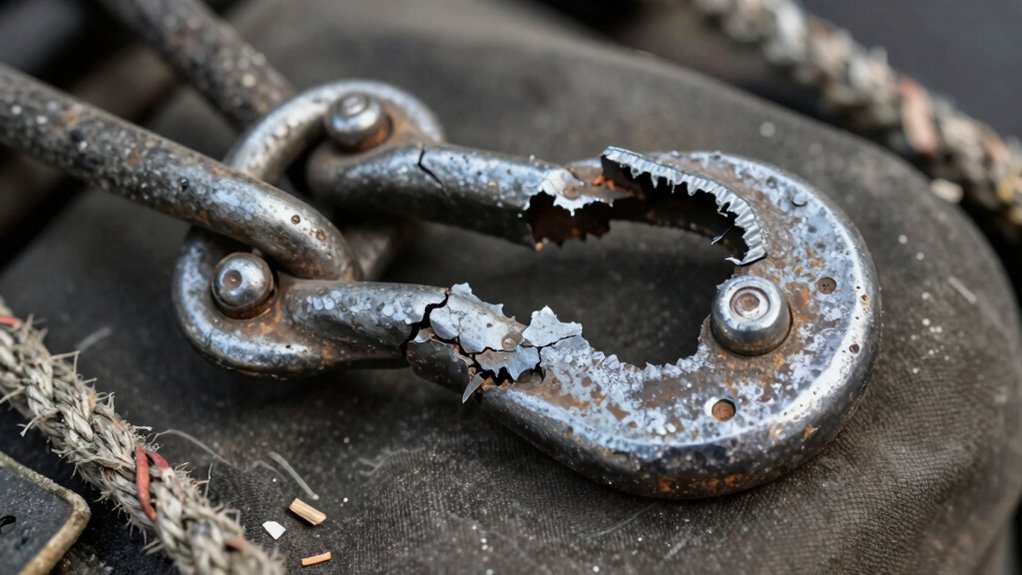
Have you ever wondered how to guarantee a safe and effective rescue or recovery operation? It all starts with understanding the importance of recovery attachment points and knowing which parts are most vulnerable. When you’re working with rigging equipment, you need to be aware that not all attachment points are created equal. Some are designed to bear the load, while others are more likely to fail first under stress. Recognizing these weak links is essential in planning your operation and preventing accidents. Proper selection of recovery attachment points is critical, and it’s your responsibility to guarantee they’re rated and tested for the load you intend to lift or recover. Always adhere to strict safety protocols, which include inspecting all rigging equipment thoroughly before use. These protocols aren’t just guidelines—they’re lifesavers, guiding you to identify fatigued or damaged components that could compromise the entire operation.
In a rescue scenario, you might be tempted to focus solely on the main lifting gear, but neglecting the weaker points can lead to catastrophic failure. For example, a shackle or a sling might appear intact but could have hairline cracks or corrosion that weaken its strength. When stress is applied, these points tend to give way first, often without warning. That’s why it’s essential to conduct routine inspections and replace any compromised rigging equipment. You should also understand the load ratings of your attachment points and never exceed them. Overloading not only risks failure but also endangers everyone involved. It’s a common mistake to assume that all points will hold just because they look sturdy; in reality, the weakest link—often the recovery attachment point—dictates the safety of the entire operation. Additionally, understanding the load ratings of your equipment is vital for ensuring safe and effective lifts.
You must also plan your setup meticulously, ensuring that the load distributes evenly across all points and that your rigging equipment is properly secured. Using redundant attachment points can provide an extra layer of safety, but only if those points are rated and inspected. Proper inspection of all rigging components is crucial, as this process helps identify issues like corrosion, deformation, or wear that might not be immediately visible. Regular maintenance and thorough testing are essential steps to prevent unexpected failures during operations. Remember, failure often occurs at the most unexpected spot—usually where the rigging equipment connects to the recovery attachment points. By following strict safety protocols and choosing robust, tested rigging equipment, you greatly reduce the risk of catastrophic failure. Additionally, understanding rigging equipment and its proper use is vital for maintaining safety standards. It’s equally important to stay informed about failure points and how they can be mitigated through proper maintenance and inspection. Ultimately, your awareness and preparedness determine the safety and success of your rescue or recovery operation. Always prioritize identifying the weakest link, and never compromise on safety standards, because understanding where failure is likely to occur can save lives.
heavy duty shackle with load rating
As an affiliate, we earn on qualifying purchases.
As an affiliate, we earn on qualifying purchases.
Frequently Asked Questions
How Can I Identify a Failing Recovery Attachment Point Early?
You can identify a failing recovery attachment point early through regular recovery point inspection. Look for signs of attachment point wear, such as cracks, corrosion, or elongation. Pay close attention to areas under stress or frequent movement. If you notice any deformation or unusual wear patterns, it’s essential to address them immediately. Consistent inspection helps you catch issues before failure, ensuring safety and prolonging the life of your recovery system.
Are There Specific Materials More Prone to Failure?
They say “you are what you repeatedly do,” so choosing the right materials matters. Some materials, like certain metals prone to material fatigue, are more likely to fail under repeated stress. Additionally, those susceptible to corrosion risks weaken faster, especially in harsh environments. Keep an eye on these materials, inspect regularly, and consider alternatives like corrosion-resistant alloys or composites to enhance durability and safety.
What Safety Precautions Should I Take During Inspection?
During inspection, you should guarantee equipment compatibility to prevent failures. Use proper safety gear, and check for signs of wear or damage on recovery attachment points. Follow emergency procedures carefully, knowing how to respond if a failure occurs. Keep a close eye on weak points, and document any issues. Regularly review safety protocols, and ensure all team members are trained to handle emergencies effectively during inspections.
How Often Should Recovery Attachment Points Be Inspected?
You should inspect recovery attachment points at least every 6 months, or sooner if you notice any signs of wear. Neglecting these checks risks equipment failure, which could turn your safety drill into a disaster. Proper equipment maintenance relies heavily on evaluating material durability, ensuring these critical points stay strong under stress. Don’t wait for a failure to realize how essential routine inspections are—stay proactive, stay safe.
Can Improper Use Cause Attachment Point Failure?
Yes, improper use can cause attachment point failure. If you don’t follow proper procedures, it stresses the attachment point design and accelerates material fatigue. Overloading or sudden impacts can weaken the materials, leading to failure. Regular inspections are vital, but understanding proper use is equally important to prevent undue stress. Always make sure you’re using recovery attachment points according to manufacturer guidelines to avoid premature failure and guarantee safety.
As an affiliate, we earn on qualifying purchases.
Conclusion
As you examine the recovery attachment points, you realize there’s more at stake than you first thought. Each failure could be the turning point, the moment everything shifts. Will you spot the weakness before it’s too late? The clues are there, waiting for you to uncover them. One overlooked detail could be the difference between safe recovery and a critical failure. Stay vigilant—what you discover next might change everything you thought you knew.
corrosion resistant lifting hooks
As an affiliate, we earn on qualifying purchases.
As an affiliate, we earn on qualifying purchases.
recovery attachment point inspection tools
As an affiliate, we earn on qualifying purchases.
As an affiliate, we earn on qualifying purchases.
Halloween Picks
halloween
As an affiliate, we earn on qualifying purchases.