
TL;DR

Get garage and car supplies delivered free — and shop member deals
- Fast, free delivery on millions of items
- Access to Prime Big Deal Days deals on October 6–7
- Prime Video, Amazon Music and more included
European nations have implemented mandatory in-car cameras for vehicles, citing safety benefits. The US is moving toward similar regulations, with discussions ongoing. The change aims to improve road safety but raises privacy concerns.
European countries have now made in-car cameras mandatory for vehicles, marking a significant change in vehicle safety and monitoring standards. The move is driven by efforts to reduce accidents and improve law enforcement, and it signals a potential shift in US policy as well. This development matters because it affects vehicle safety regulations, privacy rights, and technological standards across both regions.
In recent months, several European nations, including Germany, France, and Italy, have enacted laws requiring in-car cameras in passenger vehicles. These regulations mandate the installation of cameras to record driving behavior, assist in accident investigations, and enhance road safety efforts. The European Parliament approved these measures citing evidence that in-car cameras can reduce traffic violations and improve driver accountability.
In the United States, discussions about similar regulations are gaining momentum. While no federal mandate has been enacted yet, some states, such as California and New York, are exploring legislation to encourage or require in-car camera use. Industry experts note that US automakers are increasingly integrating camera systems into their vehicles, partly driven by safety and insurance considerations.
Officials and safety advocates argue that in-car cameras can deter reckless driving, assist law enforcement, and provide evidence in disputes. However, privacy groups raise concerns about data security and the potential misuse of footage, leading to ongoing debates about the appropriate scope and safeguards for such systems.
Implications of Mandatory In-Car Cameras in Europe and US
The mandatory adoption of in-car cameras in Europe signals a major shift toward increased vehicle monitoring, which could lead to safer roads and reduced accidents. If the US follows suit, it could significantly influence vehicle design, insurance policies, and driver behavior. However, these changes also raise privacy concerns, especially regarding data collection, storage, and access, making the regulatory landscape complex. The move reflects a broader trend toward digital oversight in transportation, with potential legal and ethical implications for drivers and manufacturers.
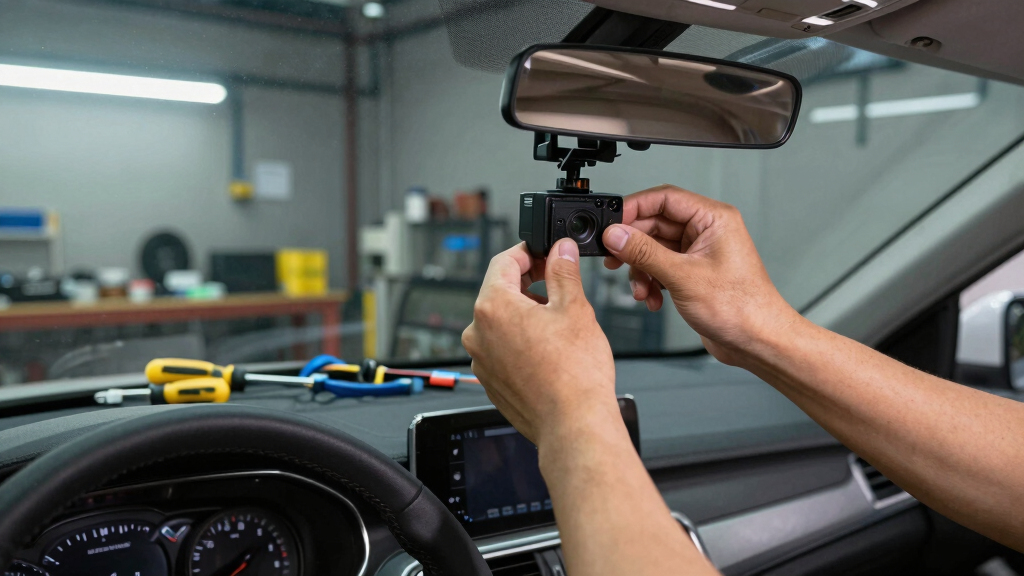
in-car dash camera with night vision
As an affiliate, we earn on qualifying purchases.
As an affiliate, we earn on qualifying purchases.
Recent Trends in Vehicle Safety and Monitoring Technologies
European countries have historically been proactive in adopting safety regulations, and the recent mandate for in-car cameras builds on existing efforts to improve road safety through technological innovation. Countries like Germany and France have piloted in-car camera programs, reporting reductions in traffic violations and accidents. In the US, automakers have increasingly integrated cameras for driver assistance features, with some states already mandating certain safety systems. The current developments are part of a broader global trend toward connected, data-driven vehicle regulation.
“The implementation of in-car cameras is a significant step toward safer roads and better enforcement of traffic laws.”
— European Transport Safety Agency spokesperson
As an affiliate, we earn on qualifying purchases.
Unresolved Questions About Privacy and Implementation
It is not yet clear how privacy protections will be enforced alongside the new regulations, especially in the US where legislation is still under discussion. Details about data storage, access rights, and security safeguards remain to be finalized. Additionally, the timeline for US legislation and the scope of mandated features are still uncertain, with industry and government stakeholders continuing negotiations.
As an affiliate, we earn on qualifying purchases.
Next Steps in Policy and Industry Adoption
European countries are expected to begin full enforcement of the new in-car camera mandates within the coming months. In the US, legislative proposals are likely to advance through state legislatures, with possible federal discussions in the near future. Automakers will continue integrating camera technology into vehicles, and privacy frameworks are expected to evolve alongside these safety measures. Monitoring these developments will be crucial as the regulatory landscape shifts.
As an affiliate, we earn on qualifying purchases.
Key Questions
What are the main reasons for mandating in-car cameras in Europe?
The primary reasons include improving road safety, reducing traffic violations, aiding law enforcement, and providing evidence in accidents.
Will US drivers be required to install in-car cameras soon?
While no federal mandate is in place yet, some states are exploring or considering legislation, and automakers are increasingly including cameras in new vehicles.
What privacy concerns are associated with in-car cameras?
Privacy advocates worry about data security, unauthorized access, and how footage might be used or shared, emphasizing the need for clear safeguards.
How might this regulation affect vehicle insurance policies?
Insurance companies may offer discounts for vehicles equipped with in-car cameras, citing improved safety and evidence collection.
What are the technical requirements for these in-car cameras?
Details vary by region, but generally include features like continuous recording, secure data storage, and access controls, with standards still being developed in some areas.
Source: rss
Halloween Picks
halloween
As an affiliate, we earn on qualifying purchases.