
TL;DR

Get business pricing on garage and car supplies
- Business-only prices and quantity discounts
- Tax-exempt purchasing
- Multiple users, one account, clear invoices
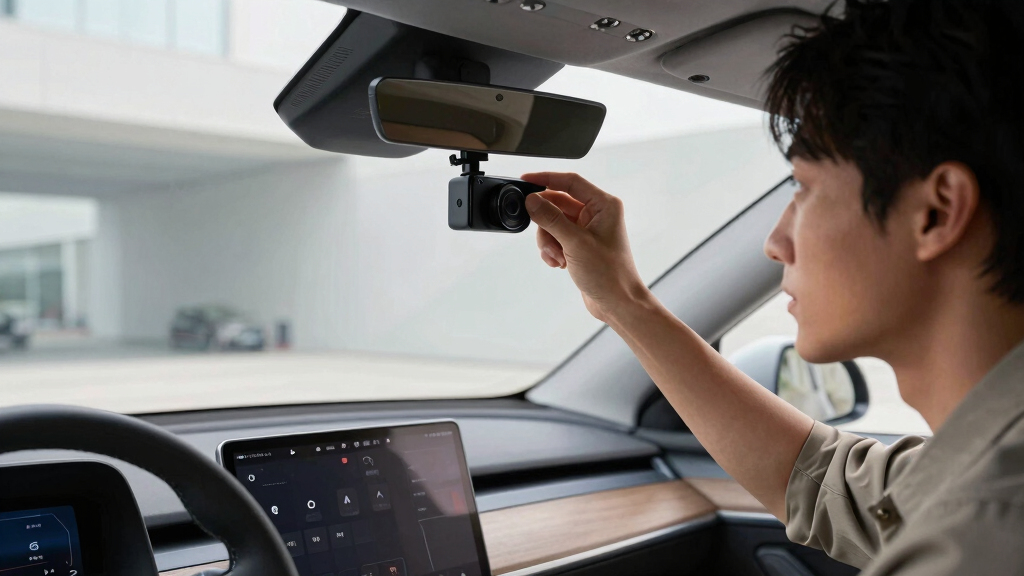
Europe has officially mandated in-car cameras in all new vehicles, a move aimed at improving safety and accountability. The US is preparing to implement similar regulations, signaling a shift in vehicle surveillance standards.
Europe has officially mandated in-car cameras in all new vehicles, a move aimed at increasing driver safety and accountability. The regulation, which took effect recently, requires manufacturers to install these devices, and the US is now considering similar legislation, marking a significant shift in vehicle surveillance policies.
The European Union adopted a regulation requiring in-car cameras in all new passenger vehicles starting in 2024. This move is intended to enhance road safety, deter reckless driving, and provide evidence in accident investigations, according to EU officials. The cameras must be installed and maintained by manufacturers, with data protection measures outlined to safeguard driver privacy. The US is not yet required by law but is actively discussing similar regulations, with several states exploring proposals for mandatory in-car camera systems. Industry experts note that the technology is becoming more affordable and reliable, prompting regulators to consider its broader adoption. The European regulation also emphasizes transparency, requiring drivers to be informed about camera use and data handling practices.Implications for Driver Privacy and Road Safety
The adoption of mandatory in-car cameras in Europe signifies a major shift toward increased vehicle surveillance, aiming to improve road safety and accountability. For drivers, this raises questions about privacy and data security, especially as the US moves closer to implementing similar rules. These regulations could influence vehicle manufacturing standards worldwide and reshape how driver behavior is monitored and managed. Policymakers, safety advocates, and privacy groups are closely watching the developments, as the balance between safety and privacy remains a key concern.Products Worth Considering

Vantrue S1 Pro DMS 2.7K Dash Cam with Front and Interior Recording

Nextbase iQ 4K Smart HD Dash Cam Pro with 64GB microSD Card – Front and Rear View, 1440p, Smart Sense Parking, Emergency SOS, Roadwatch AI

VIOFO A329S 4K+2K+2K Dash Cam Front Cabin and Rear, STARVIS 2 HDR, Wi-Fi 6
As an affiliate, we earn on qualifying purchases.
Global Trends in Vehicle Surveillance Technologies
In recent years, in-car cameras have gained popularity in various markets as safety and insurance tools. Europe’s recent regulation is the first comprehensive mandate, driven by concerns over reckless driving and road accidents. The US has seen growing interest from state legislatures, with some pilot programs and proposals for mandatory camera systems in commercial and personal vehicles. Historically, vehicle safety regulations have focused on airbags, seat belts, and crashworthiness; the inclusion of surveillance technology marks a new era. Industry stakeholders emphasize that advances in camera technology, cost reductions, and data analytics are making widespread adoption feasible. Privacy advocates, however, warn of potential misuse and data breaches, urging clear regulations on data handling and driver consent.“The integration of in-car cameras will significantly enhance road safety and accountability across member states.”
— EU Transport Commissioner
Unclear Details on Data Privacy and Enforcement
It is not yet clear how data collected by in-car cameras will be stored, who will have access, and how privacy rights will be protected, especially in the US where regulations are still under discussion. Enforcement mechanisms and penalties for non-compliance are also still being developed.Next Steps in US Policy and European Implementation
In Europe, the regulation is already in effect, with manufacturers required to comply by 2024. In the US, several states are expected to introduce or finalize legislation in the coming months, with federal discussions likely to follow. Industry stakeholders will monitor compliance challenges and privacy safeguards as these policies take shape. Additional pilot programs and public consultations are anticipated to refine regulations further.Key Questions
Why are in-car cameras now being mandated?
In-car cameras are being mandated primarily to improve road safety and provide evidence in case of accidents, as well as to deter reckless driving behavior.
Will these cameras invade driver privacy?
Privacy concerns are significant, and regulations in Europe include data protection measures. The US is still debating how to balance safety benefits with privacy rights.
Are all vehicles required to have cameras immediately?
No, in Europe the regulation applies to all new passenger vehicles starting in 2024. In the US, regulations are still under discussion, with some states considering mandates in the near future.
What are the potential risks of widespread in-car camera use?
Risks include data breaches, misuse of footage, and concerns over constant surveillance, which could impact driver privacy and freedom if not properly regulated.
How might this affect car manufacturers?
Manufacturers will need to integrate compliant camera systems, update data handling protocols, and ensure transparency with consumers, potentially increasing costs but also opening new safety and insurance markets.
Source: rss