To keep your LiFePO4 batteries safe and last longer, always charge between 3.2V and 3.3V per cell, avoiding overcharging up to 3.65V. Maintain the temperature between 0°C and 45°C to prevent damage from cold or heat. Overcharging or charging outside this range can cause safety risks like fires or reduced lifespan. Follow the simple rule of staying within these limits, and you’ll guarantee maximum performance. Keep exploring to learn more about how to protect your batteries.
Key Takeaways
- Charge LiFePO4 cells between 3.2V and 3.3V per cell to ensure safety and longevity.
- Maintain charging temperatures between 0°C and 45°C for optimal performance and safety.
- Overcharging or charging outside temperature limits can cause safety hazards like fires or battery damage.
- Use specialized chargers that regulate voltage and temperature to prevent overcharge and thermal stress.
- Remember the “One Rule”: always stay within 3.2V to 3.3V per cell during charging for safe, efficient operation.
Are you aware of the specific charging limits for LiFePO4 batteries? Understanding these limits is essential to safeguard battery safety and maximize charging efficiency. Unlike other lithium-ion batteries, LiFePO4 cells have unique characteristics that demand careful attention during charging. Exceeding the recommended voltage or temperature ranges can compromise the battery’s safety, leading to potential fires, leaks, or premature failure. Knowing the right limits helps you avoid these hazards and extend your battery’s lifespan.
The fundamental rule to remember is that LiFePO4 batteries should be charged within a voltage range of about 3.2V to 3.3V per cell, with a typical maximum of 3.65V. Going beyond this voltage can cause overcharging, which not only reduces the battery’s lifespan but also poses safety risks. Proper chargers designed specifically for LiFePO4 chemistry are crucial because they automatically regulate voltage and current to stay within safe limits. This precision enhances battery safety and ensures that your charging process remains efficient, preventing unnecessary wear and tear.
Temperature also plays a vital role in maintaining both safety and efficiency. LiFePO4 cells perform best when charged between 0°C and 45°C. Charging outside this range can cause thermal stress, leading to reduced capacity or, in extreme cases, thermal runaway. When charging in cold environments, the battery’s internal chemistry slows down, decreasing charging efficiency. Conversely, high temperatures accelerate chemical reactions that can damage the battery’s internal structure. To optimize safety and performance, consider using temperature-compensated chargers or delaying charging until conditions are suitable. Additionally, proper charge rate management is essential to prevent overheating and ensure longevity.

Pro Chaser 400W Power Inverters for Vehicles - DC 12v to AC 110v Car Inverter Converter, 6.2A Dual USB Charging Ports, Dual AC Adapter for Laptops Air Compressor
【Pro Chaser Power Inverter Basics】: This inverter provides a steady 400W of DC to AC power with a...
As an affiliate, we earn on qualifying purchases.
Frequently Asked Questions
How Long Does It Take to Fully Charge a Lifepo4 Battery?
It typically takes 3 to 8 hours to fully charge a LiFePO4 battery, depending on its capacity and your charger’s power. Faster charging speeds can reduce overall charge time, but may impact battery lifespan over time. To keep your battery healthy, avoid overcharging or charging too quickly, and always follow recommended voltage and temperature limits. Proper charging ensures peak performance and longevity of your LiFePO4 battery.
Can Lifepo4 Batteries Be Overcharged Safely?
You shouldn’t overcharge your LiFePO4 battery, as overcharge risks can damage its internal structure and reduce battery longevity. Always use a proper charger with a built-in overcharge protection feature to prevent exceeding voltage limits. Overcharging can lead to overheating and potential safety hazards. By following recommended charging practices, you guarantee your battery stays healthy, safe, and performs at its best over its lifespan.
What Are the Signs of a Damaged Lifepo4 Cell?
Imagine a gentle balloon that suddenly begins to swell—that’s your damaged LiFePO4 cell. Signs include cell swelling, which indicates internal stress, and capacity loss, meaning your battery can’t hold power like before. You might also notice increased heat or strange odors. These symptoms tell you the cell’s integrity is compromised, and using it could be dangerous. So, pay attention to these clues and handle the battery with care.
How Often Should I Calibrate My Lifepo4 Battery?
You should calibrate your LiFePO4 battery at least once every three to six months to guarantee accurate readings and extend its lifespan. Regular calibration helps you avoid overcharging or deep discharging, which can damage the battery. If you notice inconsistent performance or unexpected voltage drops, consider calibrating more frequently. Proper calibration maintains ideal performance, maximizes battery lifespan, and keeps your system running smoothly.
Are There Specific Charger Types Recommended for Lifepo4 Batteries?
You should use a charger specifically designed for LiFePO4 batteries to guarantee compatibility and safety. Look for chargers with proper charger compatibility, including voltage and current ratings suitable for your battery. Safety features like overcharge protection, thermal regulation, and automatic shutoff are essential to prevent damage. Avoid generic chargers, as they may not have the necessary features, risking battery safety and longevity. Always follow manufacturer recommendations for ideal results.

YONHAN Battery Charger 20A 12V/24V LiFePO4 Lead Acid Fully Automatic Battery Maintainer, Car Battery Trickle Charger Automotive w/Repair, Winter Mode, for AGM, STD, Gel, Deep Cycle Batteries
[20A Suitable for LiFePO4 Lead-acid Battery Charger] 12V 20 Amp, 24V 10Amp 7-stage quick battery charger, Designed to...
As an affiliate, we earn on qualifying purchases.
Conclusion
Remember, sticking to LiFePO4 charging limits keeps your battery safe and long-lasting. For example, if you ignore temperature guidelines and overcharge in a hot environment, you risk damaging the cells and shortening its life. Always monitor voltage, temperature, and follow that one key rule: don’t push beyond the recommended limits. By doing so, you’ll enjoy reliable performance and extend your battery’s lifespan—making every charge count.

OPTIMA® Batteries Digital 400+ 12 Volt Battery Maintainer and Charger for AGM, Lithium, Automotive, Marine and Powersport Batteries
Digital battery type selector: OPTIMA AGM, OPTIMA Li, Auto/Marine, Power Sport Lead Acid batteries
As an affiliate, we earn on qualifying purchases.
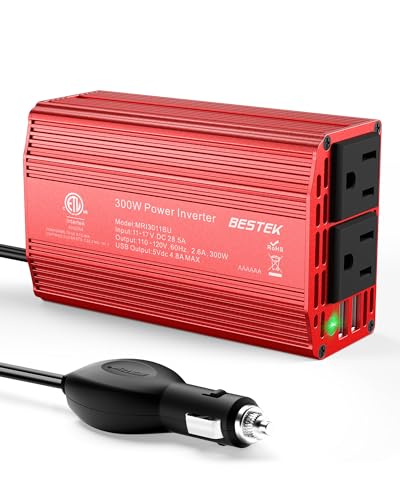
BESTEK Power Inverter DC 12V to AC 110V - 300W Car Plug Adapter Outlet with 4.8A Dual USB Fast Charging Port - Car Charger Cigarette Lighter Adapter for Phone, Laptop on Road Trip - Aluminum Housing
BESTEK Advantage Upgraded: Bestek is power inverter patents owner, America's leading power inverter brand. Our inverter tech upgraded...
As an affiliate, we earn on qualifying purchases.