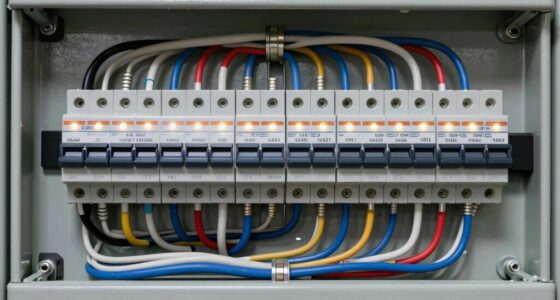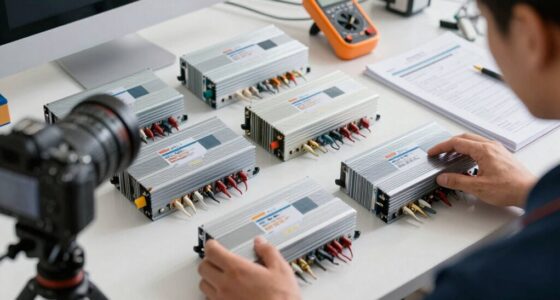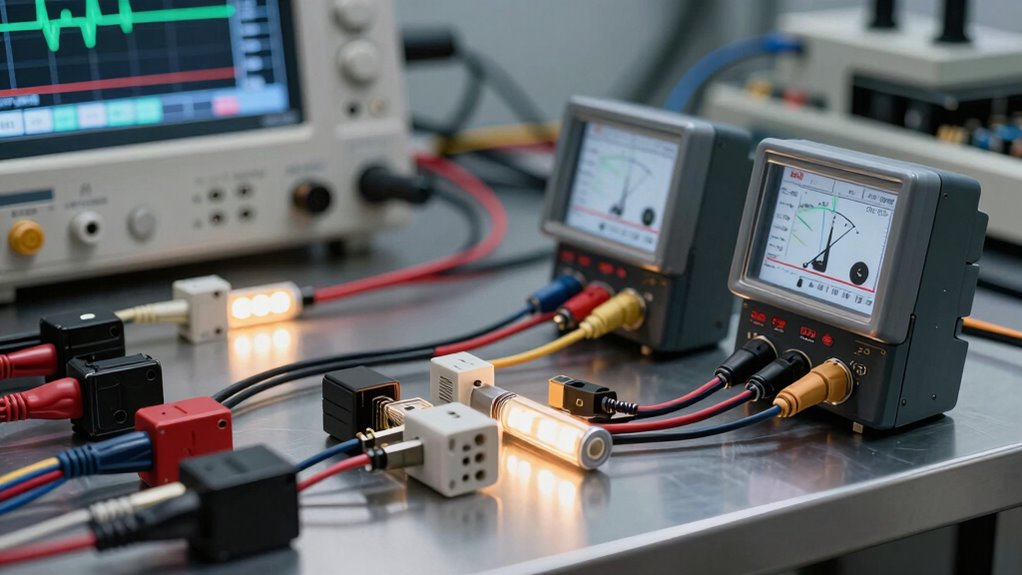

Many electrical tests focus only on voltage along the hot side, ignoring the ground side where significant voltage drops can occur. High ground resistance creates potential differences that can compromise safety, cause equipment malfunction, or go unnoticed. By neglecting ground resistance, you miss critical issues affecting system performance. Understanding and measuring ground-side voltage drops are essential for a complete assessment. Keep exploring, and you’ll uncover how addressing ground resistance can make all the difference.

Get business pricing on garage and car supplies
- Business-only prices and quantity discounts
- Tax-exempt purchasing
- Multiple users, one account, clear invoices
Key Takeaways
- Ground-side voltage drops can significantly impact system safety and performance if overlooked during testing.
- Proper measurement of ground resistance uncovers hidden issues causing voltage differences in the ground path.
- Many tests focus only on hot conductors, neglecting ground resistance, leading to incomplete assessments.
- Accurate ground resistance testing methods, like fall-of-potential and clamp meters, are essential for reliable results.
- Understanding and measuring ground-side voltage drops ensures comprehensive diagnostics and enhances system safety and compliance.
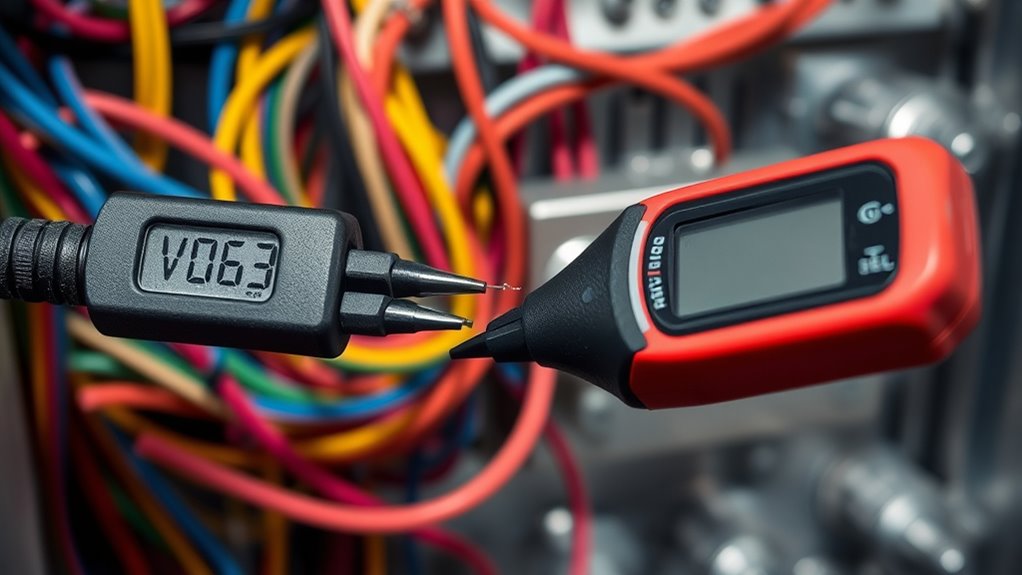
Have you ever wondered how voltage drops occur on the ground side of a circuit? Many technicians focus on the hot or line side because that’s where most of the power flows, but overlooking the ground side can lead to incomplete or misleading test results. When the ground resistance isn’t properly accounted for, it creates a voltage difference that can affect system performance and safety. Understanding how ground resistance influences voltage drops is essential for accurate diagnostics and ensuring your electrical system operates reliably. Properly assessing ground resistance can reveal hidden issues that might otherwise go unnoticed.
Ground resistance is the measure of how easily current can flow back to the source through the ground path. If this resistance is high, it can cause a significant voltage drop along the ground conductor, even if the line voltage is within acceptable limits. This voltage drop on the ground side can lead to unintended potential differences, which might cause equipment malfunction or pose safety hazards. So, to truly evaluate a system’s health, you need to assess the ground resistance carefully.
High ground resistance causes voltage drops that can affect safety and equipment performance.
Measurement techniques for ground resistance are vital for identifying issues related to ground-side voltage drops. The most common method is the fall-of-potential test, where you use a ground tester to apply a current between the grounding rod and the earth and measure the voltage drop. This helps determine the resistance directly. Another technique involves using clamp meters designed to measure ground resistance without disconnecting or disturbing the system. These methods provide quick and accurate readings, but you must follow proper procedures to avoid misleading results.
When performing these measurements, it’s important to ensure proper placement of test probes and to minimize interference from nearby conductive objects or other grounding systems. You should also take multiple readings at different locations to verify consistency. These measurement techniques allow you to pinpoint areas where the ground resistance might be unusually high, which translates to higher voltage drops on the ground side. Recognizing these issues early helps prevent potential safety problems and ensures the entire electrical system functions as intended.
In many cases, technicians miss the significance of ground-side voltage drops because they focus solely on the hot side during testing. However, neglecting the ground side can give an incomplete picture of system integrity. Proper measurement techniques for ground resistance reveal hidden issues that could compromise safety, performance, and compliance with electrical codes. Ultimately, understanding how to measure and interpret ground resistance is vital for diagnosing voltage drops accurately and maintaining a safe, reliable electrical system.
Frequently Asked Questions
How Does Ground-Side Voltage Drop Affect Overall Circuit Safety?
Ground-side voltage drop can compromise overall circuit safety by affecting ground potential, which may lead to unexpected shocks or equipment damage. When voltage drops along the ground path, it creates safety risks, especially if the ground isn’t at true earth potential. This can cause electrical faults to go unnoticed, increasing the chance of injury or equipment failure. Monitoring and addressing ground-side voltage drop is essential for maintaining a safe and reliable electrical system.
What Tools Are Best for Measuring Ground-Side Voltage Drop?
You should use reliable test equipment like a ground resistance tester or a clamp meter designed for voltage measurements. These tools help you accurately measure ground resistance and detect ground-side voltage drops. Always make certain your test equipment is properly calibrated and suitable for the circuit’s voltage level. By doing so, you’ll identify potential safety issues, improve system reliability, and ensure your grounding system effectively minimizes voltage drops.
Can Ground-Side Voltage Drop Cause Equipment Malfunction?
Yes, ground-side voltage drop can cause equipment malfunction. When ground loop issues or wiring resistance increase, they create voltage differences that disrupt proper operation. These issues may lead to erratic performance or damage, especially if the ground path isn’t solid. Measuring ground-side voltage drop helps identify these problems early, so you can fix wiring resistance or eliminate ground loops, ensuring your equipment runs reliably and safely.
How Often Should Ground-Side Voltage Drop Tests Be Performed?
You should perform ground-side voltage drop tests regularly, ideally during routine maintenance or after any electrical system modification. This guarantees consistent testing procedures and measurement accuracy, helping you catch potential issues early. Frequent testing, perhaps quarterly or biannually, contrasts with occasional checks, providing ongoing insight into your system’s health. By staying proactive, you prevent equipment malfunction and maintain safety, making these tests an essential part of your electrical maintenance routine.
What Are the Common Causes of High Ground-Side Voltage Drop?
High ground-side voltage drop often results from increased ground resistance or compromised wiring integrity. You might notice loose or corroded connections, damaged conductors, or poor grounding points causing resistance to rise. These issues hinder proper current flow, leading to voltage drops. Regularly inspecting and maintaining grounding systems helps prevent high voltage drops, ensuring safety and reliable operation of electrical equipment.
Conclusion
By paying attention to ground-side voltage drop, you reveal the hidden half of your testing puzzle—like discovering the missing piece that completes a picture. Ignoring this factor is like trying to read a map with half the roads obscured; you won’t see the full picture. Incorporate this critical measurement, and you’ll guarantee your tests are truly complete, illuminating every corner of your system’s health. Don’t overlook this essential detail—it’s the key to accurate, reliable results.
Halloween Picks
halloween
As an affiliate, we earn on qualifying purchases.