
Choosing the right wire gauge is essential to prevent insulation from melting. Thicker wires (lower gauge numbers) handle more current and dissipate heat better, reducing the risk of overheating. Using the wrong gauge, especially on longer runs or high loads, increases resistance, heat, and potential damage. Proper insulation and environmental considerations also play a role in safety. Stick with the basics, and you’ll prevent issues before they start—more tips await to keep your wiring safe.
Key Takeaways
- Proper wire gauge ensures sufficient current capacity, preventing overheating and melted insulation.
- Thicker wires (lower AWG numbers) reduce resistance and heat buildup in electrical circuits.
- Selecting the right insulation type and rating protects against environmental damage and heat-related failures.
- Longer wire runs increase voltage drop and heat, requiring thicker gauge wiring for safety.
- Correct installation techniques and environment-specific materials help prevent insulation melting and damage.
Understanding Wire Gauge and Its Impact on Safety
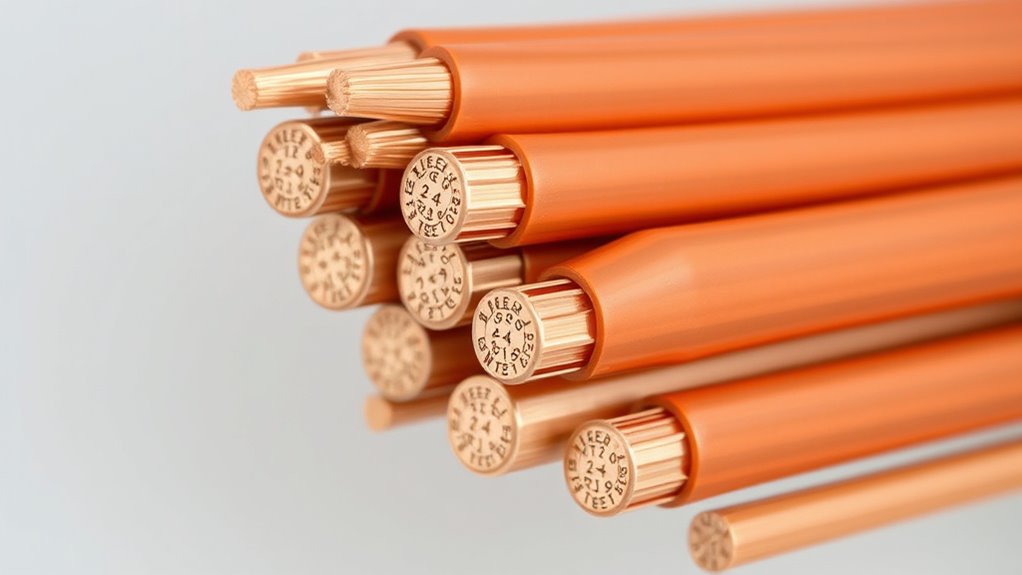
Understanding wire gauge is essential for ensuring electrical safety because the thickness of a wire directly affects its ability to handle current without overheating. Thicker wires, indicated by lower gauge numbers, can carry more current safely, reducing the risk of excessive heat buildup. Using a wire that’s too thin for your current load causes resistance to increase, which converts electrical energy into heat, potentially damaging the insulation or causing a fire. Proper gauge selection guarantees the wire can handle the expected electrical demand without degrading. The American Wire Gauge (AWG) standard helps you choose the right size for your application. When you select the appropriate gauge, you improve safety, prevent failures, and extend the lifespan of your wiring system. Proper gauge selection is a critical aspect of electrical safety that should never be overlooked. Additionally, understanding the resistance characteristics of different wire gauges can help you optimize your wiring for both safety and efficiency. Recognizing how conductor material affects conductivity can further enhance your understanding of safe wiring practices. Being aware of ampacity ratings is also crucial for preventing overloading and ensuring safe operation of electrical systems.
How Heat Dissipation Works in Electrical Wiring
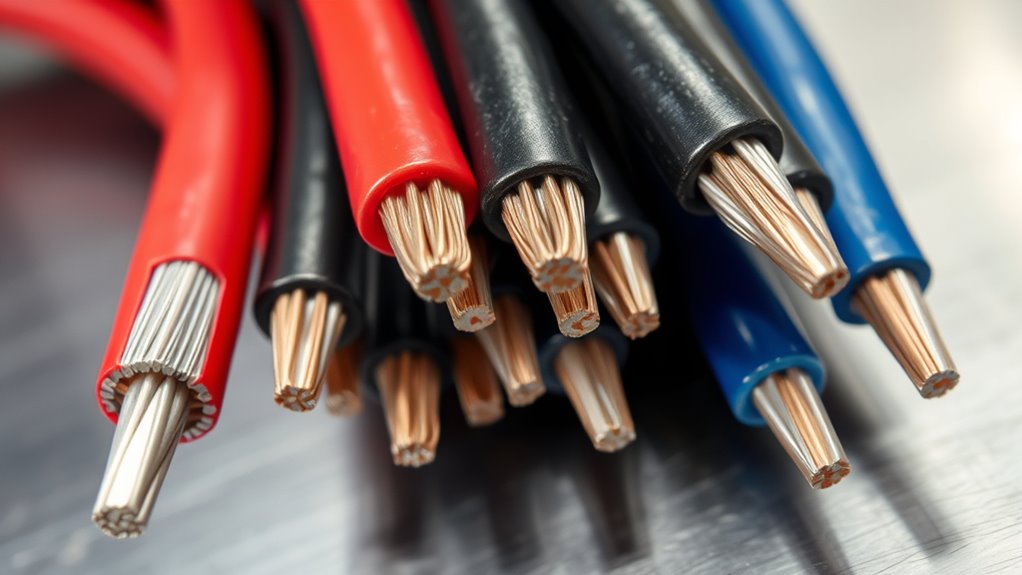
When current flows through your wire, resistance causes it to generate heat, especially if the wire is too thin. Thicker wires dissipate heat more effectively because they have a larger surface area, helping prevent overheating. Additionally, voltage drops over long distances increase heat buildup, making proper wire sizing essential for safety. Incorporating attention to detail during installation can further reduce the risk of overheating issues. Proper insulation and consistent gauge selection are crucial factors in maintaining safe and efficient electrical systems. Understanding free floating wiring concepts can also help optimize heat dissipation and prevent potential hazards, especially when considering heat dissipation techniques specific to different wire gauges. Recognizing the importance of proper grounding can further enhance safety by reducing the risk of electrical faults that contribute to heat buildup.
Resistance and Heat Generation
Electrical wiring generates heat because electrical current encounters resistance as it flows through the conductor. The thinner the wire, the higher its resistance, which causes more heat to be produced. When electrons move through the metal, they collide with atoms, converting electrical energy into thermal energy. This heat buildup can cause insulation to degrade, especially if the wire is undersized for the current load. Resistance also results in voltage drops along the length of the wire, further increasing heat generation. Using the correct gauge helps minimize resistance and prevents excessive heat. Properly rated wires ensure that the current flows smoothly with minimal energy loss, keeping your wiring safe and functional while avoiding the risk of melted insulation or fires. Selecting the right wire gauge is essential for safety and efficiency in electrical systems. Additionally, understanding the relationship between resistance and heat can help prevent electrical failures and potential hazards, especially since heat dissipation plays a crucial role in maintaining wiring integrity. Recognizing how current capacity impacts heat generation can also guide proper wire selection to avoid overheating issues, as higher current loads increase the likelihood of excessive heat buildup if the wire size is inadequate.
Surface Area Effectiveness
Heat dissipation in electrical wiring depends largely on the surface area of the conductor. A larger surface area allows more heat to escape, reducing the risk of insulation melting or degradation. Thicker wires, with their increased surface area, dissipate heat more effectively than thinner ones. This is why lower gauge wires handle higher currents without overheating. The material of the conductor also matters; metals like copper and aluminum have high thermal conductivity, helping transfer heat away from the current-carrying core. Proper installation practices, such as using appropriate conduit sizes and avoiding overcrowding, further enhance heat dissipation. Additionally, choosing the right wire gauge based on expected current load is crucial for preventing overheating and ensuring safety. Ensuring proper wire insulation also plays a significant role in managing heat buildup. Understanding how surface area influences heat management** can help you select the right wire gauge and installation method to prevent insulation damage and ensure safe, reliable electrical performance. Recognizing the importance of thermal management techniques can further improve safety and efficiency in electrical systems, especially when considering factors like conductor material properties** that impact heat transfer.
Voltage Drop Impact
As current flows through a wire, voltage drop occurs along its length, leading to a reduction in voltage at the load. This drop causes the wire to dissipate more heat, especially if the wire is undersized for the current. The longer the distance, the greater the voltage drop, increasing resistance and heat generation. Excessive heat weakens insulation, risking damage, shorts, or fires. To prevent this, you need to select the right wire gauge; thicker wires reduce voltage drop and help disperse heat more effectively. Proper sizing ensures the voltage remains stable at the load, minimizing overheating. Keep in mind that high voltage drops not only compromise performance but also accelerate insulation deterioration, so understanding and managing voltage drop is essential for safe, efficient wiring. Proper wire sizing is crucial to maintain safe and reliable electrical systems. Additionally, using appropriate materials can further enhance heat dissipation and system longevity.
Risks of Using the Wrong Insulation and How to Avoid Them

Using the wrong insulation can lead to melting or deterioration, increasing the risk of shorts and fires. Environmental factors like moisture, chemicals, and abrasion can also damage insulation, exposing live wires. To prevent these hazards, choose insulation materials suited to your specific conditions and follow manufacturer guidelines carefully. Additionally, understanding Gold IRA Markets can help investors diversify their assets securely and avoid financial risks. Recognizing the importance of nanotechnology applications can further improve the safety and performance of electrical systems. Being aware of Feature Buddies can also assist in understanding how different components work together to ensure system reliability.
Insulation Meltdown Hazards
Choosing the wrong insulation for your wiring can lead to serious safety hazards, including insulation meltdown and electrical fires. When insulation isn’t rated for the current or temperature your wiring carries, it can overheat and melt. This exposes live conductors, increasing the risk of shorts and shocks. Additionally, using incompatible insulation materials in harsh environments accelerates degradation and failure.
- Using insulation with a lower temperature rating than required
- Installing insulation not resistant to moisture, chemicals, or abrasion
- Ignoring proper venting or heat dissipation measures that cause heat buildup
To avoid these hazards, select insulation suited to your wiring’s current load, environment, and temperature conditions. Properly rated insulation ensures safety, longevity, and reliable performance of your electrical system.
Environmental Damage Risks
Selecting insulation that isn’t suited for your environment exposes your wiring to a range of damage risks. If you choose materials that can’t resist moisture, chemicals, or temperature extremes, they may degrade faster, leading to cracks, brittleness, or melting. Exposure to moisture causes corrosion, which weakens the insulation and increases the risk of shorts or electrical failures. Chemical exposure can break down certain plastics, compromising insulation integrity. High or fluctuating temperatures accelerate insulation aging, risking melting or cracking. UV rays from sunlight can degrade outdoor-rated insulation, making it brittle and prone to damage. To avoid these hazards, select insulation with appropriate chemical, temperature, and environmental ratings for your specific conditions, ensuring long-term safety and performance. Proper material choice protects your wiring from environmental damage.
Proper Material Selection
Applying the wrong type of insulation can lead to serious electrical and safety issues because different environments demand specific material properties. Using incompatible insulation may cause overheating, chemical degradation, or electrical failures. To avoid these risks, you need to select the right material based on your application. Consider these factors:
- Environment: Choose abrasion, moisture, or oil-resistant insulation for harsh conditions.
- Temperature: Match insulation ratings to operating temperatures to prevent breakdown.
- Application: Use flexible, easy-to-solder materials for easy installation and maintenance.
Proper material selection guarantees safety, prolongs wire lifespan, and maintains performance. Skimping on quality or ignoring environmental needs can lead to costly repairs, fire hazards, or electrical shorts. Always assess your environment and load requirements before choosing insulation.
Selecting the Proper Insulation Material for Different Environments
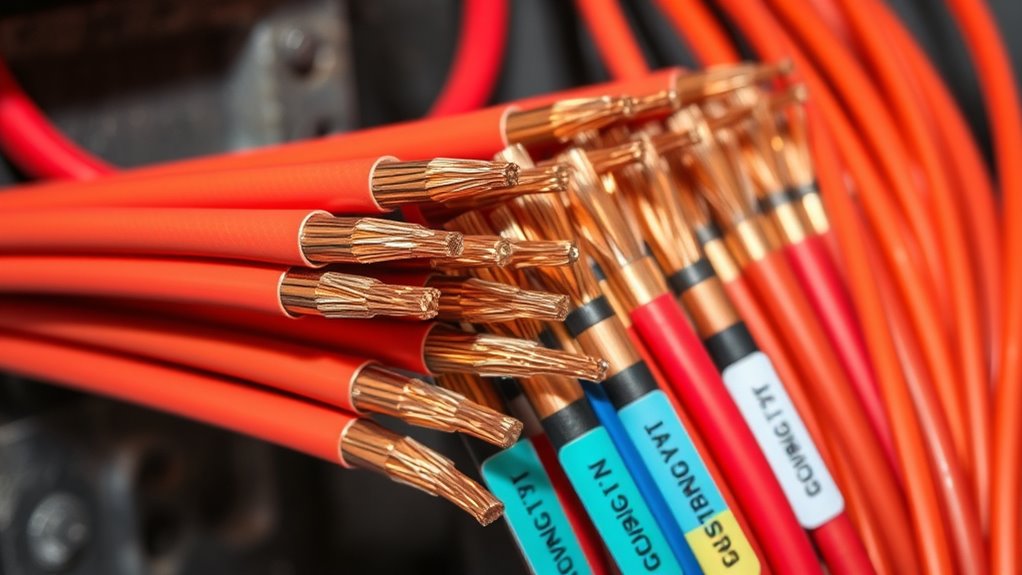
When installing electrical wiring in different environments, it’s essential to match the insulation material to the specific conditions to guarantee safety and longevity. In moist or wet locations, use insulation like PVC or rubber that resist moisture and prevent corrosion. For areas exposed to chemicals or oils, select chemical-resistant materials such as XLPE or fluoropolymers. High-temperature environments require insulation rated for elevated heat, like silicone or polyimide, which withstands temperatures up to 250 °C. Underground or direct-burial applications demand tough, crush-resistant insulation to prevent damage. If the environment is prone to abrasion or physical wear, choose flexible, durable materials to avoid insulation degradation. Matching insulation properties to environmental challenges ensures safe operation, reduces maintenance, and extends the lifespan of your wiring.
Factors to Consider When Choosing the Right Wire Gauge
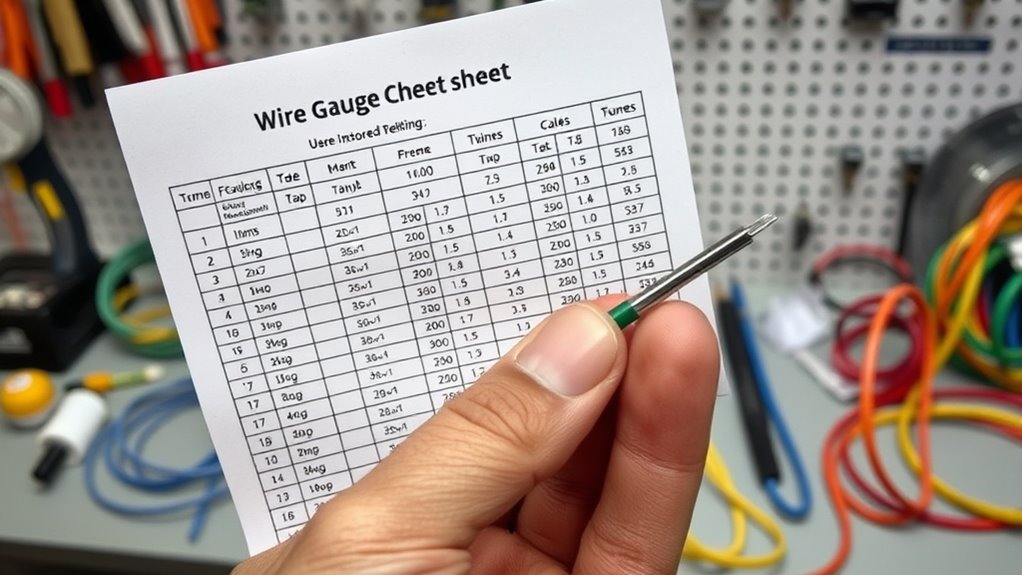
Choosing the right wire gauge is essential because it directly affects the safety, efficiency, and durability of your electrical system. To make the best choice, consider these factors:
- Current load: Ensure the gauge can handle the maximum current without overheating.
- Run length: Longer distances may require thicker wire to reduce voltage drop and heat buildup.
- Environment: Harsh conditions like moisture, chemicals, or high temperatures may demand specialized insulation or thicker gauges for added protection.
Best Practices for Preventing Insulation Damage During Installation
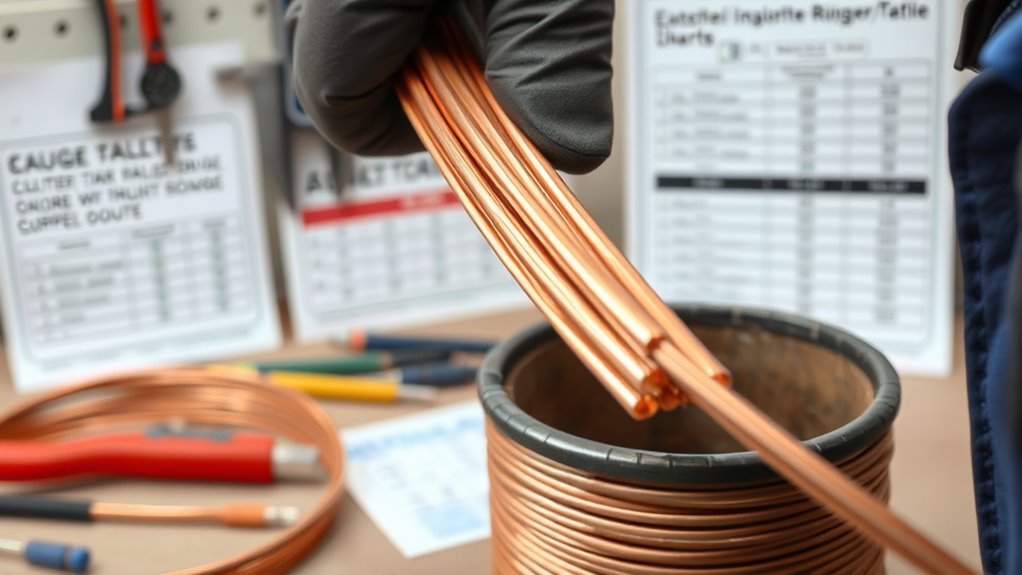
To prevent insulation damage during installation, it’s vital to handle wires carefully and use proper techniques. Always avoid pulling on the insulation itself; instead, grip the wire’s insulated jacket to prevent stress on the insulation. When stripping insulation, use the correct tools and avoid cutting too deep, which can weaken the material. During soldering or crimping, use heat sinks like alligator clips to protect the insulation from excessive heat. Make sure connections are snug but not overly tight, preventing friction and heat buildup. Keep wires organized and avoid bending them sharply or repeatedly, which can cause cracks or breaks in the insulation. Follow manufacturer guidelines and electrical codes to maintain safety and integrity. Proper handling ensures your wiring stays intact and safe over time.
Recognizing Signs of Overheating and Ensuring Long-Term Wire Safety

Recognizing early signs of overheating in your wiring is essential to guarantee potential hazards and verify long-term safety. When wires overheat, they can emit a burnt smell, feel warm or hot to the touch, or develop discolored insulation. Ignoring these signs risks insulation damage, shorts, or fires. To keep your wiring safe, regularly inspect for:
- Visible melting or blistering of insulation
- Unusual heat or warm spots along the wire
- Persistent burning odors near connections or outlets
Addressing these issues promptly helps prevent costly repairs and dangerous failures. Making certain proper gauge selection, avoiding overloading circuits, and maintaining good connections also prolong wire lifespan. Staying vigilant for these signs and acting quickly keeps your electrical system safe and reliable for the long term.
Frequently Asked Questions
How Does Ambient Temperature Affect Wire Insulation Safety?
Higher ambient temperatures diminish the cooling efficiency of wire insulation, increasing the risk of overheating. When the environment is hot, heat dissipates less effectively, causing the wire’s temperature to rise faster. You need to select insulation rated for the expected temperature range and consider thicker gauges or better ventilation to prevent insulation damage. Regularly inspecting wiring in hot conditions helps catch issues early and ensures safety.
Can Improper Conduit Installation Cause Insulation Melting?
When conduit installation isn’t ideal, you risk creating a cozy environment for heat to build up around your wiring. Poorly spaced or overfilled conduits hinder proper heat dissipation, which can cause insulation to soften or melt over time. To keep things safe, follow NEC guidelines for conduit fill and spacing. Proper installation guarantees your wires stay cool and insulated, preventing damage and maintaining long-lasting, reliable electrical performance.
What Role Does Wire Bundling Play in Heat Buildup?
Wire bundling substantially impacts heat buildup because densely packed wires restrict airflow and trap heat. When you bundle wires tightly, the heat generated from resistance has nowhere to dissipate, causing temperatures to rise. This can accelerate insulation degradation and increase fire risk. To prevent this, you should allow space between wires, follow NEC guidelines for conduit fill, and use appropriate insulation materials to guarantee proper heat management.
Are There Specific Gauges Recommended for Outdoor vs. Indoor Use?
For outdoor use, you should choose thicker gauges like 10 or 12 AWG to handle environmental stress and prevent overheating. Indoor wiring often uses 14 or 16 AWG, which are suitable for lower power loads and better suited for controlled environments. Always consider the current load, run length, and environmental factors when selecting gauge. Proper insulation and conduit use further protect against outdoor elements and heat buildup.
How Often Should Wiring Be Inspected for Insulation Damage?
You should inspect your wiring at least once a year to catch insulation damage early. If you notice any signs of wear, such as cracks, melting, or discoloration, check it more frequently. Regular inspections help prevent electrical hazards like shorts or fires. In high-traffic or harsh environments, consider inspecting every six months. Always turn off power before inspecting and replace damaged wiring immediately to guarantee safety.
Conclusion
Remember, a penny saved is a penny earned, but cutting corners on wire gauge or insulation can cost you much more. By understanding the basics and following best practices, you can prevent overheating and guarantee your wiring remains safe and reliable. Always choose the right gauge and insulation for your needs—you’ll thank yourself in the long run. Stay informed, stay safe, and keep your electrical systems running smoothly.