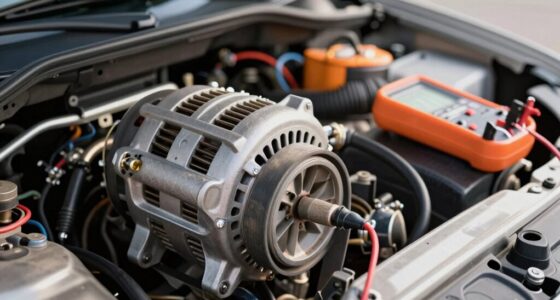
If your 12V socket feels weak, you’re likely experiencing voltage sag caused by issues like blown fuses, corroded or loose wiring, or high resistance in connections. These problems reduce the voltage delivered under load, making devices flicker or not charge properly. Eliminating obstructions, checking connections, or replacing damaged parts can restore proper power. Keep exploring to understand how resistance and electrical problems impact your car’s socket performance.
Key Takeaways
- Voltage drops under load due to increased resistance in wiring or poor contacts, causing weak power output.
- Blown fuses or damaged wiring interrupt or reduce current flow, leading to voltage sag in the socket.
- Corrosion, loose connections, or debris in the socket increase resistance, diminishing voltage delivery.
- Alternator issues or battery problems can cause insufficient voltage supply, affecting socket performance.
- Regular maintenance and testing can identify and fix wiring or connection issues to restore proper voltage.

Gasedin 2 PCS Cigarette Lighter Male Plug, 12V Copper Cigarette Lighter Replacement Aux Socket Plug, Car Cigarette Lighter Male Plug with 15A 20A Replacement Fuse, Car Accessories
Ideal Replacement: This 12V cigarette lighter socket can be a perfect replacement for the original cigarette lighter, which…
As an affiliate, we earn on qualifying purchases.
As an affiliate, we earn on qualifying purchases.
Common Causes of Voltage Drop in Car Sockets

Car sockets can experience voltage drops due to several common issues. A blown fuse can interrupt power, causing your socket to lose voltage entirely. Damaged wiring increases resistance, leading to lower voltage delivery, especially under load. If the outlet malfunctions, it won’t provide steady voltage, making your device flicker or fail to charge. Obstructions like coins or debris can cause circuit overloads, reducing available power. Alternator problems also play a role; when the alternator isn’t charging properly, the system voltage drops, affecting the socket’s performance. Corrosion at connections creates resistance, while loose or frayed wires further hinder electrical flow. Understanding these frequent causes helps you diagnose why your 12V socket isn’t delivering consistent power and guides you toward effective fixes.

MUQIDA Car LED Cigarette Lighter Voltmeter, DC 12V-24V Vehicle Cigarette Lighter Digital Voltage Meter, Digital Display Automotive Battery Gauge Monitor for Car SUV Truck Motorcycle
Effective Monitoring: The cigarette lighter voltmeter can monitor the car battery voltage in real time. It provides quick…
As an affiliate, we earn on qualifying purchases.
As an affiliate, we earn on qualifying purchases.
How Resistance Affects Power Delivery
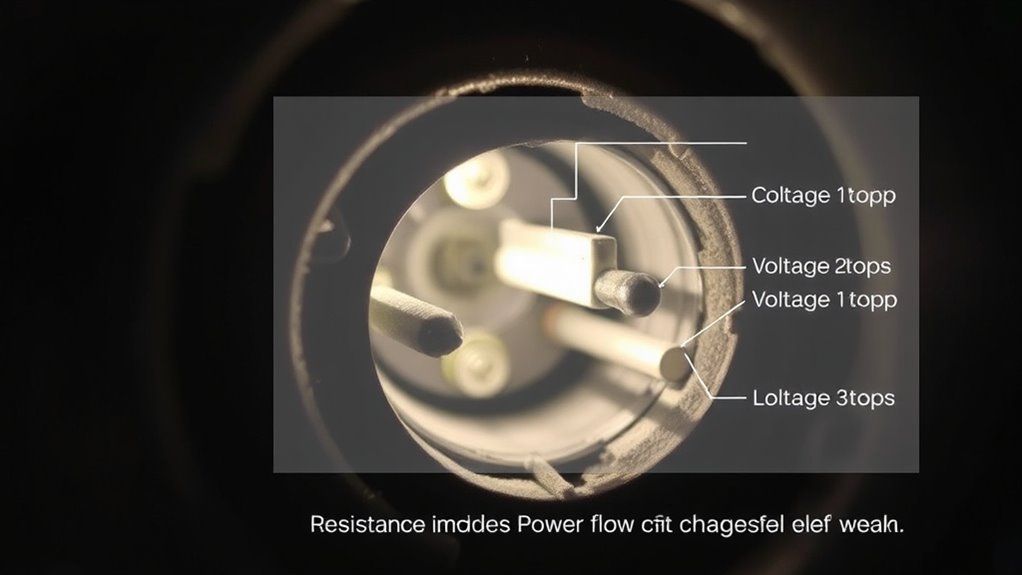
When resistance in the electrical circuit increases, it directly hampers the flow of current, leading to voltage drops along the wiring. Higher resistance causes the voltage to decrease before reaching your 12V socket, resulting in weaker power delivery. This means your devices may not receive the full voltage they need to operate properly. Resistance can be caused by corroded contacts, loose connections, frayed wires, or long cable runs. As resistance climbs, more energy is lost as heat, which can damage wiring and components over time. The greater the resistance, the more significant the voltage drop, especially under load when current demand spikes. Understanding how resistance impacts power flow helps you identify issues that cause weak or inconsistent power output in your car’s electrical system. Additionally, high contrast ratios in projectors can improve image quality by providing deeper blacks and brighter highlights, making visuals more vivid and lifelike. Regularly inspecting and maintaining electrical connections can prevent increased resistance and ensure reliable power delivery.

WORKPRO 582-piece Crimp Terminals, Wire Connectors, Heat Shrink Tube, Electrical Repair Kit with Wire Cutter Stripper
Assorted 582 electrical wire terminals and other accessories with transparent box for easy access
As an affiliate, we earn on qualifying purchases.
As an affiliate, we earn on qualifying purchases.
Identifying Symptoms of Voltage Sag Under Load

Voltage sag under load often becomes noticeable through specific symptoms that indicate the electrical system isn’t delivering steady power. You might see your multimeter reading around 12.65 volts when your car is off, but that voltage drops when you connect a device or turn on accessories. A test light may dim or flicker, signaling poor contact or increased resistance. If your charger struggles to power devices or the device fails to charge, it’s a clear sign of voltage drop. Intermittent power or flickering lights can also point to loose connections or damaged wiring under load. These symptoms suggest your electrical system isn’t maintaining consistent voltage, which can lead to further issues if not diagnosed and addressed promptly. Understanding the electrical system can help you identify and resolve these common problems more effectively. Proper voltage stability is crucial for the reliable operation of your vehicle’s electrical components, and recognizing early signs can prevent more serious damage. Additionally, knowing how electric power generation works in your vehicle can help you troubleshoot issues related to power supply and improve overall system performance.

220V ~ 250V Portable Electrical Smart Socket Tester & 50-60Hz AC 12-1000V Pen Circuit Detector-E1518UK
Socket Tester: Features: – Comply with international safety standards iec 1010-1 CATII 600V. – Simple and intuitive testing….
As an affiliate, we earn on qualifying purchases.
As an affiliate, we earn on qualifying purchases.
Testing and Diagnosing Electrical Issues

To effectively diagnose electrical issues related to voltage sag, you need to use the right testing tools and follow systematic procedures. Start by inspecting the fuse with a multimeter or test light to ensure it’s not blown. Check the wiring connections for corrosion, looseness, or damage, and clean or repair as needed. Use a multimeter to measure voltage at the socket with the engine on and off—look for significant drops under load. For more precise diagnosis, perform continuity tests on grounds and circuits. Remember, issues like corrosion or loose connections can be subtle but impactful. Ensuring proper circuit integrity is crucial for reliable electrical performance. It’s also important to understand how voltage drops can indicate underlying wiring issues. Be alert for these signs:
Diagnose voltage sag by inspecting fuses, wiring, and measuring voltage under load.
- Flickering lights or dim devices
- Voltage readings below 12V under load
- Intermittent power loss or device failure
Addressing these early prevents further damage and restores proper power flow. Additionally, understanding the role of electrical resistance helps in pinpointing problematic connections or components.
Effective Solutions to Restore Proper Voltage

Addressing electrical issues promptly can prevent further damage and restore stable power in your vehicle. Start by inspecting the fuse for signs of a blown or damaged contact; replacing it with a new one from your owner’s manual guarantees proper current flow. Clean corroded contacts and obstructions like coins or debris from the socket to reduce resistance. Check wiring connections for looseness or damage, and repair or replace any frayed or broken wires. Test the ground connection and ensure it’s secure and free of corrosion. If voltage remains low, consider swapping out the voltage regulator or the socket itself. These steps restore consistent voltage, improve device performance, and prevent future electrical problems. Regular maintenance and prompt repairs keep your vehicle’s electrical system running smoothly, especially considering how astrological signs may influence your perception of electrical efficiency in vehicles. Additionally, conducting periodic system diagnostics can help identify underlying issues before they become major problems. Ensuring proper navigation and mapping of your vehicle’s electrical system can aid in diagnosing complex voltage issues more effectively.
Frequently Asked Questions
Can a Faulty Alternator Cause Voltage Sag in My Car’s 12V Socket?
Yes, a faulty alternator can cause voltage sag in your car’s 12V socket. When the alternator isn’t charging properly, your vehicle’s electrical system struggles to maintain consistent voltage levels. This results in lower voltage supply to the socket, causing devices to malfunction or power issues. You should test your alternator and wiring, and consider replacing or repairing it to restore proper voltage and make certain your 12V socket works reliably.
How Long Does It Take to Fix Wiring Issues Affecting Voltage?
Fixing wiring issues is like repairing a leaking pipe—timing varies. Small problems, like cleaning corrosion or tightening connections, might take an hour. More extensive repairs, such as replacing frayed wires or rewiring, could stretch to several hours or a day. It depends on the damage’s extent and your skill level. Plan for patience, because thorough work guarantees your electrical system stays reliable and prevents future voltage drops.
Is It Safe to Use a Multimeter for Testing My Vehicle’s Electrical System?
Yes, it’s safe to use a multimeter for testing your vehicle’s electrical system if you follow safety precautions. Always turn off the vehicle before connecting the multimeter, and set it to the correct voltage range. Avoid touching metal probes together or contact points while testing. Keep your hands dry and wear protective gear if needed. If you’re unsure, consult a professional to prevent injury or damage.
Can a Low-Quality Fuse or Connector Worsen Voltage Drops?
Yes, a low-quality fuse or connector can worsen voltage drops. When you use cheap fuses or poor connectors, they often have higher resistance, which reduces the voltage reaching your devices. This increased resistance causes more voltage sag, leading to weak performance or malfunction. To fix this, replace worn or cheap parts with quality ones, guarantee proper connections, and keep contacts clean to maintain steady voltage and reliable power delivery.
What Are Signs of Internal Damage in a 12V Socket or Outlet?
Signs of internal damage in your 12V socket include dimming devices, delayed charging, and flickering lights, signaling a failing fixture. You might notice a weakened wattage or inconsistent power flow, often caused by corrosion, frayed wires, or faulty contacts inside the outlet. These issues lead to intermittent operation or total power loss, warning you that the socket needs inspection, repair, or replacement to restore reliable, robust functionality.
Conclusion
By understanding the causes, recognizing the signs, and taking action, you take control of your car’s electrical system. You prevent frustration, avoid damage, and guarantee your devices perform at their best. You troubleshoot with confidence, restore proper voltage, and keep your journeys smooth. You empower yourself to maintain a reliable connection, protect your investments, and enjoy peace of mind. Because when your 12V socket works perfectly, your drive feels safer, easier, and more enjoyable.