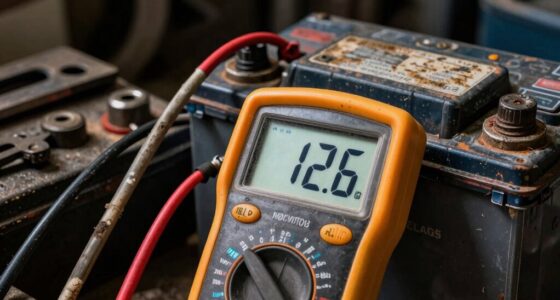
When your engine starts cold, the oil thickens, making it harder to circulate and causing increased friction, which makes the engine feel sluggish. Cold temperatures also cause your vehicle’s voltage to drop, reducing power to essential systems. As a result, your engine may run slower or feel less responsive. Understanding these effects helps you see why proper warm-up and maintenance matter. Keep exploring to uncover how you can improve cold start performance and protect your engine longer.
Key Takeaways
- Cold engines require more energy to turn over due to increased oil viscosity and reduced battery voltage.
- Thicker oil in cold weather slows engine lubrication, causing sluggish response and increased wear.
- Low temperatures decrease battery efficiency, making it harder for the starter motor to initiate engine operation.
- Cold air density and fuel vaporization issues lead to incomplete combustion, making engines feel “slower.”
- Proper maintenance and cold-weather preparations help improve starting performance and reduce engine sluggishness.
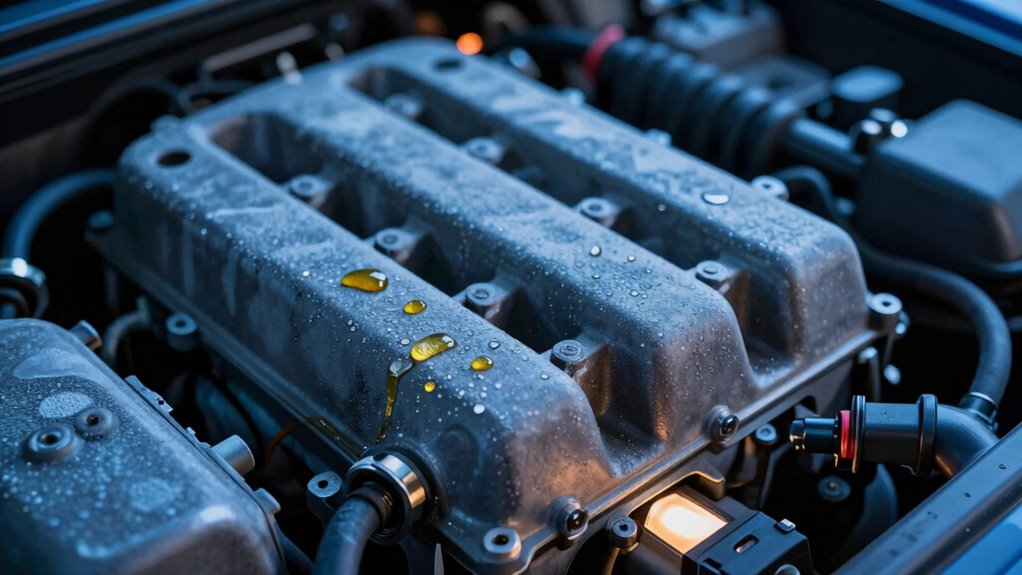
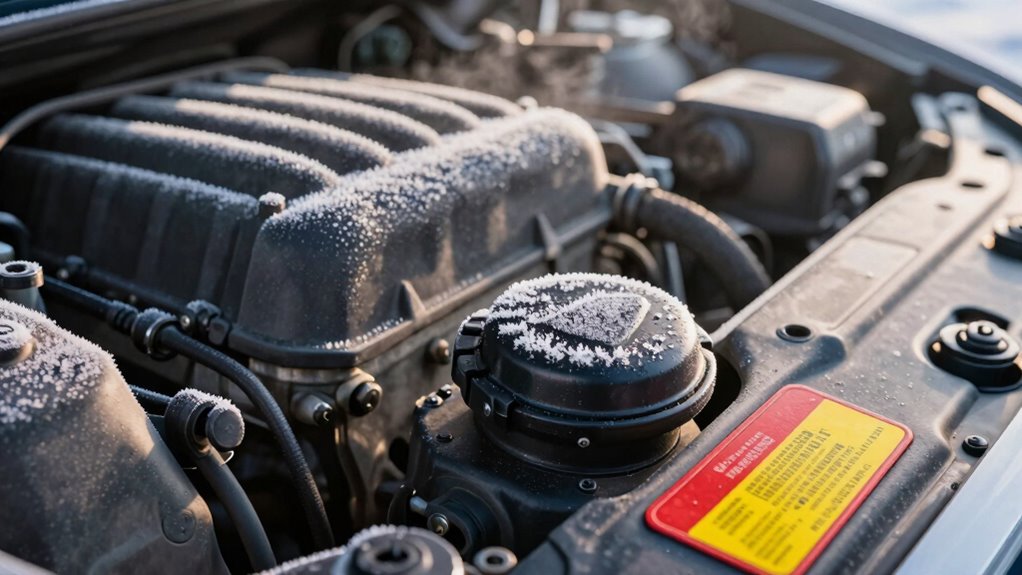
Have you ever wondered why your car struggles to start on cold mornings? When temperatures drop, your engine faces several challenges that affect its overall performance, especially during those first few moments after starting. One of the key issues is how cold weather impacts fuel efficiency. Cold air is denser, which means your engine has to work harder to mix air and fuel properly. Additionally, fuel doesn’t vaporize as easily in low temperatures, leading to incomplete combustion. As a result, your engine consumes more fuel to generate the same power, reducing overall fuel efficiency. This extra effort puts additional strain on your engine’s components, causing increased engine wear over time. The more often your engine runs in cold conditions, the faster certain parts can degrade, especially if your vehicle isn’t equipped with proper cold-start aids like a functioning glow plug or fuel heater.
Cold mornings increase fuel consumption and engine wear due to denser air and incomplete combustion.
Another factor that makes cold starts tougher is the state of your vehicle’s oil. When temperatures drop, oil thickens, becoming more viscous, which makes it harder for the oil to circulate through the engine efficiently. Poor lubrication during cold starts increases friction among engine parts, leading to increased engine wear. Over time, this can accelerate the deterioration of critical components like pistons, bearings, and valves. You might notice your engine feels “slower” or less responsive during these initial moments because the thickened oil hampers smooth operation. It takes longer for the oil to reach all necessary parts, meaning your engine isn’t operating at peak efficiency right away. Using oil formulated for colder temperatures can help mitigate these issues, but the initial startup still involves overcoming the resistance of thickened oil and cold metal parts. Additionally, cold temperature effects can influence the overall performance of your vehicle’s systems during startup. Recognizing the importance of proper cold-weather vehicle maintenance, such as using suitable lubricants and ensuring your battery is in good condition, can make a significant difference. Proper vehicle maintenance can help ensure your engine runs smoothly and efficiently during the cold months, reducing strain and wear. Ensuring your vehicle’s components are prepared for cold conditions can help reduce the impact of cold weather on engine performance and longevity.

STP Premium Small Engine 4 Cycle Oil Formula, SAE10W-30 Small Engine Oil Engine Care Formula Reduces Wear for Lawnmower, Push Mower, Tractor, 32 Oz, STP
SAE 10W-30 MOTOR OIL FOR SMALL ENGINES: One 32 fl oz bottle of STP Premium Synthetic Blend 4…
As an affiliate, we earn on qualifying purchases.
As an affiliate, we earn on qualifying purchases.
Frequently Asked Questions
How Long Does a Typical Cold Start Last?
A typical cold start lasts about 10 to 30 seconds, depending on factors like engine oil viscosity and battery voltage stability. During this time, your engine struggles to reach ideal temperature and lubrication, making it feel slower. If your oil is too thick or your battery voltage drops, the cold start might take longer. Ensuring proper oil and a healthy battery can help your engine warm up faster and run smoother.
Can Cold Starts Damage My Engine?
Cold starts can potentially damage your engine if you don’t take precautions. When engine oil viscosity is too high in cold weather, it doesn’t lubricate properly, causing extra wear. Additionally, low battery performance during cold starts can lead to incomplete combustion or misfires. To prevent damage, warm up your engine briefly, verify your battery is in good shape, and use appropriate oil for cold temperatures.
Do Cold Starts Affect Fuel Efficiency?
Yes, cold starts can impact your fuel efficiency. When you start your engine cold, it consumes more fuel to warm up and operate smoothly, leading to increased fuel consumption. Over time, this extra fuel use can contribute to higher emissions, affecting the environment. So, while it’s tempting to ignore those chilly mornings, remember that frequent cold starts may cost you more at the pump and harm the environment.
What’s the Best Way to Warm up an Engine?
To warm up your engine effectively, start your car and let it idle for a minute or two. This allows engine temperature to rise gradually, reducing stress on components. During this time, oil viscosity decreases, improving lubrication. Avoid revving the engine excessively. Once the engine reaches normal operating temperature, usually indicated by the dashboard, you can start driving gently, ensuring ideal lubrication and performance.
Are Cold Starts More Common in Certain Climates?
Yes, cold starts are more common in colder climates due to lower temperatures affecting engine oil and battery performance. Climate adaptation plays a vital role, as regional variations in winter severity influence how often you experience these starts. In colder areas, engines need extra time and care to warm up properly, while milder climates see fewer cold starts, making engine maintenance and warm-up routines less frequent.

UNLAZIN X8 Jump Starter 8000A Battery Jumper Starter Portable with Force Start, 12V Car Starter Jump Box & Battery Booster for All Gas & Diesel Engines, QC 3.0 Quick Charge, LED Light, Passenger Car
【3-SECOND FORCE START – 8000A FOR SEVERELY DEPLETED BATTERIES】The X8 battery jumper starter portable features an advanced Force…
As an affiliate, we earn on qualifying purchases.
As an affiliate, we earn on qualifying purchases.
Conclusion
So, next time your engine feels sluggish after a cold start, remember it’s all about the chilly conditions, voltage variations, and oil’s sluggishness. Understanding these factors helps you appreciate the science behind the slow start. Keep your car cozy with warm oil and a healthy battery, and you’ll smoothly steer through chilly mornings. Stay savvy, stay safe, and let science simplify your start-up struggles!
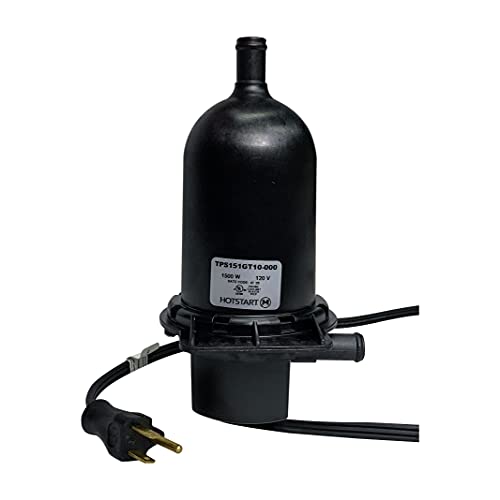
HOTSTART ENGINE HEATER TPS151GT10-000 COOLANT PRE-HEATER – Original – 1 YEAR WARRANTY
Pre-Heat: Diesel and Gas engines, construction equipment, trucks, marine and industrial applications
As an affiliate, we earn on qualifying purchases.
As an affiliate, we earn on qualifying purchases.
STP Premium Small Engine 4 Cycle Oil Formula, SAE10W-30 Small Engine Oil Engine Care Formula Reduces Wear for Lawnmower, Push Mower, Tractor, 32 Oz, STP
SAE 10W-30 MOTOR OIL FOR SMALL ENGINES: One 32 fl oz bottle of STP Premium Synthetic Blend 4…
As an affiliate, we earn on qualifying purchases.
As an affiliate, we earn on qualifying purchases.