To stay safe during winch operations, position yourself on stable ground, perpendicular to the load’s path, and at least 1.5 times the load’s length away from the winch. Keep clear of the load’s line of travel and rebound zones, avoiding standing directly under or in front of the load. Make certain you have a clear view of the load and winch to react quickly if needed. Continuing will reveal more key safety tips to keep you protected.
Key Takeaways
- Stand on stable ground, perpendicular to the load’s travel path, and outside the line of fire.
- Maintain a distance of at least 1.5 times the load’s length from the winch.
- Avoid standing directly under or in front of the load during lifting operations.
- Position yourself far enough away to safely react to load shifts or cable snaps.
- Ensure clear visibility of the load and winch for quick response and effective communication.

Winch remote positioning has become a crucial aspect of modern lifting operations, allowing operators to control winches from a safe distance with precision. When you’re working with a winch, your safety depends heavily on where you stand. Proper positioning minimizes the risk of injury from unexpected movements or equipment failure. To stay safe, you must always consider safety gear and clear signal communication. Your safety gear, including helmets, safety glasses, gloves, and steel-toed boots, provides a critical layer of protection. Even if you’re outside the immediate danger zone, accidents can happen if you’re not adequately protected. Wearing the right safety gear ensures that, in the event of a mishap, injuries are less severe or avoidable altogether.
Equally important is establishing reliable signal communication with the operator. When you’re positioned correctly, you can give clear, concise signals to control the winch effectively. Use standardized hand signals or radio communication, depending on the environment. Never rely solely on voice commands or gestures that could be misinterpreted. Consistent signals help prevent miscommunication, which can lead to dangerous situations. Before starting operations, confirm that both you and the operator understand the signaling protocol. This preparation ensures everyone is on the same page, reducing the chance of accidents caused by miscommunication.
Your positioning should take into account the load’s movement, the swing radius, and potential snap-back zones. Stand on stable ground, preferably at a safe distance from the load’s path and any potential rebound areas. You want to be far enough away that if the load shifts unexpectedly or the cable snaps, you’re not in the line of fire. Typically, this means standing perpendicular to the load’s travel path and at least 1.5 times the length of the load away from the winch. Never stand directly under or in front of the load, as these are the most dangerous spots during lifting operations.
Remember that your position should also allow you to see the load and the winch clearly. Good visibility enables you to react quickly to any issues. Keep a keen eye on the load’s movement and listen for any signals or alarms from the control station. If anything seems off, communicate immediately and move to a safer spot. Always stay alert, follow safety protocols, and ensure your safety gear is in place. Proper remote positioning isn’t just about avoiding danger—it’s about actively managing risk, so you can work confidently and securely during every lift. Additionally, understanding the European cloud innovation landscape can contribute to safer, more efficient operations by integrating advanced safety technologies.

RUGCEL WINCH 12000lb Waterproof Electric Truck Winch 12V Steel Rope Winch with Roller Fairlead, Wired Handle and 2 Infrared Remote,for Truck and Wrangler in Car Lift
【STURDY & DURABLE MATERIAL】- Waterproof IP67 rating,this electric truck winches enhanced in almost every area for increasing its...
As an affiliate, we earn on qualifying purchases.
Frequently Asked Questions
Can Remote Positioning Vary With Different Types of Winches?
Yes, remote positioning can vary with different winch types. You need to contemplate the specific features of each winch, as some allow for remote adjustments while others require manual control. Always follow manufacturer guidelines for safe remote positioning, ensuring you’re outside the danger zone. Your positioning should account for the winch’s power, cable length, and operation method to stay safe and maintain control during use.
How Does Weather Affect Safe Remote Positioning?
Like a dial-up modem in a fiber optic world, weather can drastically impact your remote positioning. Poor weather conditions, such as rain or fog, reduce visibility concerns, making it harder to judge safe distances from the winch. You should stand in well-lit, weather-appropriate gear, staying alert to changing conditions. Always adapt your position based on weather, ensuring you’re out of the danger zone and maintaining clear communication with the team.
Is There a Standard Distance Recommended for All Winch Setups?
There isn’t a universal standard distance for all winch setups, as safety distances depend on factors like load weight, equipment, and environment. However, following standard guidelines, you should stand at least 1.5 times the length of the winch cable away from the load to guarantee safety. Always assess your specific situation, stay alert, and follow manufacturer instructions to minimize risks during winch operations.
What Safety Gear Should I Wear When Positioning Remotely?
You should always wear essential Personal Protective Equipment like a hard hat, safety glasses, gloves, and steel-toed boots when positioning remotely. Follow strict Safety Protocols to protect yourself from potential hazards. Additionally, consider wearing high-visibility clothing to stay visible. This gear helps prevent injuries from unexpected equipment movement or debris, ensuring you remain safe while maintaining proper distance and staying outside the danger zone during winch operations.
How Often Should Remote Positioning Procedures Be Reviewed or Updated?
You should review and update your remote positioning procedures at least annually, but more often if conditions change or after incidents. Regular maintenance schedules and training protocols are key to staying safe. Keep a close eye on industry updates, equipment changes, and safety best practices. This way, you guarantee everyone knows the latest procedures, minimizing risks and keeping you in control when it matters most.

XYCLE 12000lbs Electric Winch 12V IP68waterproof Off-Road Vehicle Rescue winchs with2wireless Remote Controls and1/2"Synthetic Rope Suitable for Towing SUVs,Loggers,Trucks,Trailers,Jeeps,4WD(Black)
【 New design and precision manufacturing process 】 XYCLE's unique appearance design provides IP68 waterproof, dustproof, and moisture-proof...
As an affiliate, we earn on qualifying purchases.
Conclusion
Now that you know where to stand during winch remote operations, you can stay safe and avoid the danger zone. Always follow proper positioning guidelines and double-check your spot before pulling. Remember, safety isn’t just about avoiding accidents—it’s about ensuring everyone stays unharmed. So, next time you’re setting up, ask yourself: are you truly out of harm’s way, or are you risking more than you think? Stay alert, stay safe.

WARN VR EVO 12-S Electric 12V Winch – 12,000 lb Pull Capacity, Synthetic Rope, IP68 Waterproof, High-Performance Off-Road Recovery Winch for Trucks, Jeeps, and SUVs
12,000 lb Pulling Capacity: Built for full-size trucks, SUVs, and Jeeps, providing reliable pulling strength for tough off-road...
As an affiliate, we earn on qualifying purchases.
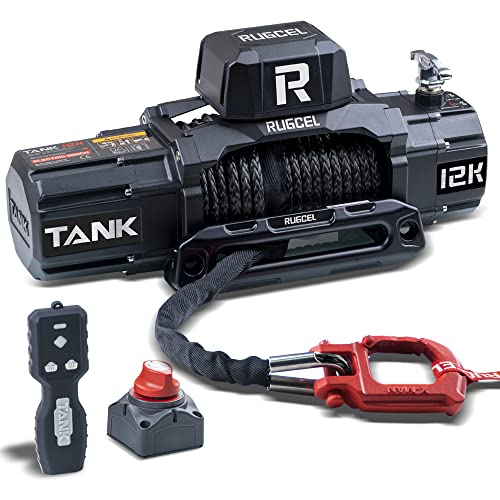
RUGCEL WINCH 12000lb New Waterproof Electric Synthetic Rope Winch 12V with Hawse Fairlead,2 in 1 Infrared Remote Control,Wired Control,Black Rope,for Truck SUV
[Innovative Design ]The newly designed model allows you to be the focus of your exploration of the world.The...
As an affiliate, we earn on qualifying purchases.