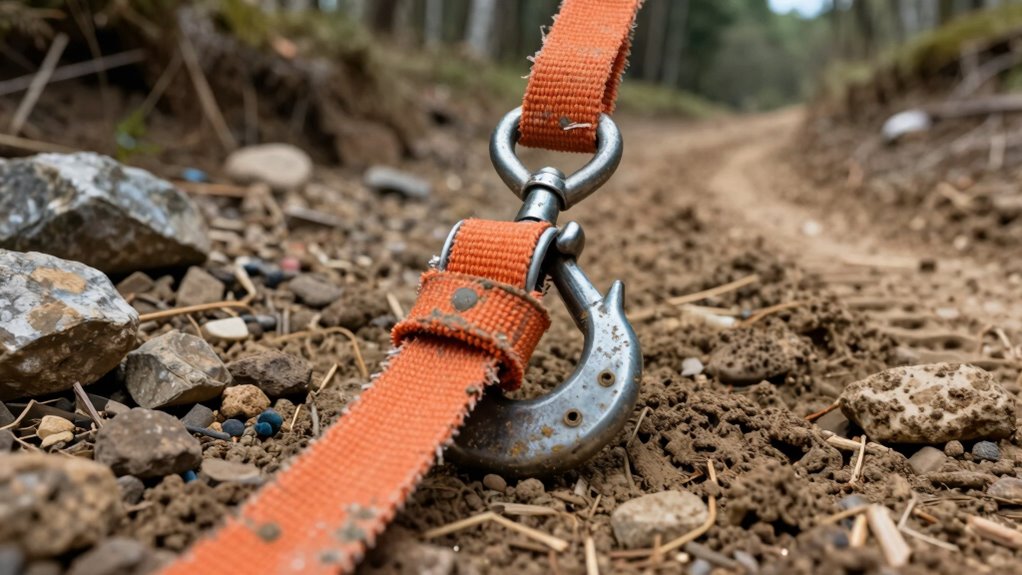

Jerking the tow strap creates sudden, forceful pulls that put excessive stress on hardware like hooks, straps, and attachment points, often leading to failure or breakage. This abrupt tension can cause the strap or hardware to snap and recoil dangerously, risking injury or vehicle damage. To stay safe and prevent hardware failure, it’s better to use steady, controlled pulls. Keep going to discover how proper techniques can keep your recovery safe and effective.
Key Takeaways
- Jerking applies sudden, excessive force that exceeds hardware load limits, causing straps or hooks to break.
- Rapid pulls generate shock loads, which increase stress on recovery gear and hardware components.
- Abrupt tension causes recoil, risking injury or damage from flying straps or broken parts.
- Steady, controlled pulls distribute force evenly, reducing the likelihood of hardware failure.
- Proper winching technique minimizes stress on gear, enhancing safety and extending equipment lifespan.

When you’re maneuvering trails with your off-road vehicle, using a tow strap can be a quick way to get unstuck. However, understanding proper winch procedures and selecting the right recovery gear are vital for safety and equipment longevity. Many trail enthusiasts underestimate the importance of these steps, often resorting to jerking the strap to force the vehicle free. That approach might seem effective initially, but it’s a sure-fire way to break hardware and create dangerous situations.
Using proper winch techniques and quality gear prevents damage and ensures safety during recovery efforts.
The key to safe recovery starts with knowing proper winch procedures. Before attaching a tow strap, you should verify the winch is rated adequately for the weight of your vehicle and the terrain conditions. Once the strap is secured to a solid anchor point, you should operate the winch slowly and steadily, avoiding sudden pulls or jerks. This controlled approach minimizes stress on the strap, hook, and vehicle components. Remember, a steady pull allows the strap to stretch slightly, absorbing some of the shock and reducing the likelihood of failure.
Recovery gear selection plays a vital role in trail safety. Using the right gear—such as a high-quality, rated tow strap—ensures it can handle the load without risking breakage. Never use a recovery strap meant for light-duty applications on heavy vehicles or rugged terrain. Always inspect your gear before each trip, checking for frays, cuts, or signs of wear. When choosing gear, opt for straps with appropriate working load limits, and keep a variety of recovery tools on hand, including shackles, gloves, and tree protectors, to avoid damage to natural anchor points and equipment.
One of the most common mistakes is trying to “jerk” the vehicle free by suddenly applying full power. This quick, forceful tug puts immense stress on the strap, hooks, and attachment points. Instead, you should use a gentle, steady pull, then pause to assess whether the vehicle is moving. If it’s not, repeat the process gradually. This method reduces the risk of hardware failure, which can cause the strap to snap back with deadly force. It’s also safer for everyone involved, preventing injuries caused by flying debris or recoil.
Additionally, understanding trail conditions and how they impact recovery efforts can help prevent hardware failures and ensure a safer experience.
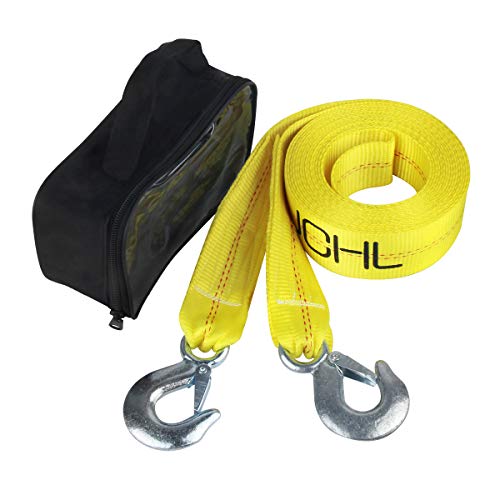
JCHL Nylon Tow Strap with Hooks 2”x20’ Car Vehicle Heavy Duty Recovery Rope 20,000 lbs Capacity Tow Rope for Car Truck Jeep ATV SUV
2 inch x 20 feet Yellow High Strength Polyester Strap, 20,000Lb Break Strength Capacity
As an affiliate, we earn on qualifying purchases.
As an affiliate, we earn on qualifying purchases.
Frequently Asked Questions
What Are the Best Types of Tow Straps for Trail Recovery?
For trail recovery, you should choose a heavy-duty, synthetic winch or kinetic tow strap. These straps offer superior vehicle recovery capabilities and strap durability, resisting wear and tear from rugged conditions. Look for straps with high weight ratings and reinforced loops, ensuring they withstand the force during recovery without breaking. Always inspect your tow straps before use and avoid jerking motions, which can stress hardware and cause failure.
How Do I Inspect My Tow Strap for Wear and Tear?
Imagine your tow strap as a lifeline—you need to keep it dependable. Start your inspection checklist by checking for wear indicators, like frayed edges, cuts, or fading material. Look closely for thinning fabric or broken stitches, especially at attachment points. Make certain no signs of corrosion or rust on hardware. If any wear or damage is visible, replace your strap immediately. Keeping a keen eye prevents sudden failures during recovery.
What Alternative Methods Are Safer Than Jerking During Recovery?
You should use gentle recovery techniques instead of jerking to prevent hardware damage. Apply steady, controlled force with a winch or a snatch block, ensuring the recovery is smooth. Always follow proper technique by attaching straps correctly, keeping tension minimal, and communicating clearly with your team. This approach reduces stress on equipment, minimizes risk of breakage, and keeps everyone safer during the recovery process.
How Do I Choose the Right Attachment Points for Towing?
You should focus on proper anchor selection by choosing sturdy, reinforced points like a frame or specialized recovery points. Avoid towing from bumpers or weaker areas. Load distribution tips include attaching the tow strap at a central, secure location to evenly share the strain. Verify your attachment points are rated for the load and always inspect for damage before towing. Proper setup prevents hardware failure and keeps your recovery safe.
What Safety Gear Should I Wear During Trail Recovery Operations?
Think of trail recovery safety gear as your armor in a battle. You should wear protective gloves to prevent cuts and eye protection to shield against flying debris or snapped gear. This gear keeps you safe if a tow strap snaps or equipment fails. Always prioritize your safety by wearing these essentials, so you can handle unexpected surprises confidently and avoid injuries during recovery operations.

BUNKER INDUST Recovery Kit, 1"×30ft Kinetic Recovery Rope + 2 Soft Shackles + Recovery Ring+ Shackle Hitch Receiver + Winch Dampener+ Gloves+ Carry Bag, Off Road 4×4 Recovery Gear Winch Accessories
Comprehensiveness: Get ready for any off-road emergency with BUNKER INDUST comprehensive recovery kit. It includes everything you need…
As an affiliate, we earn on qualifying purchases.
As an affiliate, we earn on qualifying purchases.
Conclusion
Remember, a tiny jerk with your tow strap can turn a simple rescue into a catastrophe. One reckless pull could snap your gear like a twig, sending parts flying faster than a shot from a cannon! Stay calm, steady, and patient—your safety depends on it. Don’t let a moment of rush transform your adventure into a disaster movie. Keep your cool, respect the equipment, and everyone stays safe—because one wrong move can turn your trail day into a nightmare in seconds!

KPFILEH Winch Controller, 12V Electric Winch Push Button Switch Assembly, Handheld Wired Winches Remote Control Replacement Accessories, Fit for 1500LBS to 4500LBS Pulling Winches (Yellow)
【Enhanced Control】: This winch controller is a high-quality replacement option for 12V winch control components. It is equipped…
As an affiliate, we earn on qualifying purchases.
As an affiliate, we earn on qualifying purchases.

Nilight Shackle Hitch Receiver 2Inch 45000 LBs Breaking Strength 3/4" D Ring w/Trailer Pin Heavy Duty Solid Recovery Towing Kit for Trucks Jeeps Off-Road
Excellent Towing Power: Shackle Hitch Receiver Set was made of high-strength drop forged steel, with a rated working…
As an affiliate, we earn on qualifying purchases.
As an affiliate, we earn on qualifying purchases.