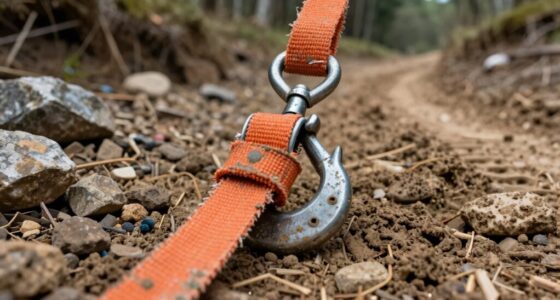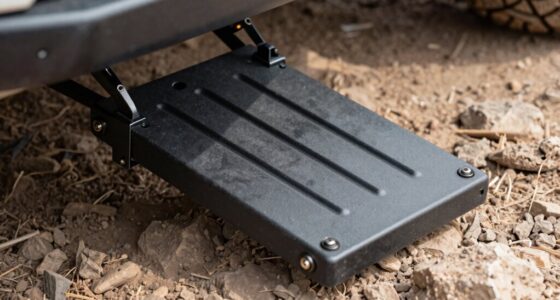

To make pulls smoother in snow recovery, upgrade your equipment with lightweight, durable tools like specialized shovels and sleds, and use accessories such as heated gloves and insulated boots. Techniques should focus on evaluating snow conditions, choosing the right push or pull method, and maintaining proper body mechanics. Combining quality gear with proper training greatly boosts efficiency and safety. Keep exploring for more expert tips to perfect your snow recovery approach.
Key Takeaways
- Assess snow conditions carefully to determine whether to push or pull for optimal efficiency.
- Use proper body mechanics and lifting techniques to reduce fatigue and prevent injuries.
- Incorporate specialized equipment like lightweight shovels and heated gloves for smoother operations.
- Coordinate team efforts with clear communication to improve pull consistency and safety.
- Adapt techniques based on snow density and load to ensure effective recovery and minimize effort.

Have you ever wondered how snow-covered landscapes bounce back after a storm? The same principle applies to recovery techniques in snowy environments, especially when it comes to making pulls smoother and more efficient. One of the key factors in improving recovery lies in equipment upgrades. Modern tools and gear are designed specifically for snow recovery, allowing you to work more effectively and safely. Upgrading your equipment means investing in lightweight, durable shovels, snow rakes, and sleds that can handle the cold and heavy snow loads with ease. These tools reduce fatigue and increase your overall efficiency, enabling quicker turnaround times during recovery operations. Additionally, snow-specific accessories like heated gloves or insulated boots keep you comfortable and focused, preventing cold-related fatigue that hampers performance.
But equipment alone isn’t enough. Your training methods play a crucial role in achieving smoother pulls and faster recovery. Effective training teaches you how to adapt to varying snow conditions and optimize your technique. For example, learning how to assess snow density helps you decide whether to use a push or pull approach, reducing effort and improving control. Practicing proper body mechanics and lifting techniques minimizes strain and injury risk, making your recovery efforts more sustainable. Incorporating drills that simulate real-world scenarios helps you develop muscle memory, so your responses become instinctive when under pressure. Training also emphasizes teamwork and communication, which are critical during large-scale recovery operations. When everyone understands their role and signals clearly, pulls become more coordinated, reducing delays and mishaps. Being familiar with snow recovery techniques further enhances your ability to respond swiftly and effectively.
Combining equipment upgrades with refined training methods creates a synergy that greatly enhances your recovery process. Up-to-date gear empowers you to work smarter, not harder, while advanced training sharpens your skills and decision-making. This approach results in smoother pulls, less downtime, and more efficient snow clearance. It’s not just about having the best tools; it’s about knowing how to use them effectively and being prepared for different snow conditions. Regularly reviewing and updating your equipment, along with ongoing training, ensures you stay ahead of challenges that snowstorms bring. Whether you’re clearing a driveway or managing a large-scale snow removal operation, these improvements translate into quicker, safer, and more successful recoveries. In the end, mastering these technique changes allows you to bounce back from winter storms with confidence, turning a formidable task into a manageable routine.

RUGCEL WINCH 12000lb Waterproof Electric Truck Winch 12V Steel Rope Winch with Roller Fairlead, Wired Handle and 2 Infrared Remote,for Truck and Wrangler in Car Lift
【STURDY & DURABLE MATERIAL】- Waterproof IP67 rating,this electric truck winches enhanced in almost every area for increasing its...
As an affiliate, we earn on qualifying purchases.
Frequently Asked Questions
What Equipment Adjustments Improve Recovery in Snowy Conditions?
To improve recovery in snowy conditions, you should make snowshoe adjustments to enhance stability and floatation, preventing you from sinking. Additionally, consider tire traction modifications like installing snow tires or adding chains to increase grip on icy surfaces. These equipment adjustments help you stay balanced and maneuver more effectively, reducing the risk of getting stuck. Regularly checking and fine-tuning your gear guarantees smoother pulls and safer recovery in winter terrains.
How Do Weather Changes Affect Snow Recovery Techniques?
Weather changes, especially temperature effects, considerably influence snow recovery techniques. Warmer temperatures can reduce snowpack stability, making slopes more prone to slides, so you need to adjust your approach accordingly. Colder conditions create a firmer snow surface, requiring more deliberate, steady pulls. By monitoring temperature shifts and understanding their impact on snowpack stability, you can modify your recovery methods to stay safer and ensure smoother pulls in varying weather conditions.
Are There Specific Exercises to Enhance Recovery in Snow?
You can’t just do ordinary exercises and expect snow grip to improve instantly—you need targeted recovery drills. Focus on balance and strength exercises like single-leg stands and plyometrics to enhance your recovery. These drills build the muscle memory and agility needed to make pulls smoother, even in tricky snow conditions. Consistent practice sharpens your reflexes, making every recovery moment feel as effortless as gliding on perfectly packed snow.
What Safety Precautions Are Essential During Snow Recovery?
You should always wear proper winter gear to stay warm and dry during snow recovery. Make certain you’ve undergone safety training to understand potential hazards and proper techniques. Check weather conditions before starting, communicate clearly with your team, and carry essential safety equipment like a whistle or first aid kit. Be mindful of icy patches, stay visible, and avoid rushing to prevent accidents. Staying prepared helps you recover safely and effectively in snowy conditions.
How Does Snow Type Influence Pull and Recovery Strategies?
A stitch in time saves nine, and understanding snow type is key. You should modify your pull and recovery strategies based on snow consistency and density—powder requires gentle, steady pulls, while wet, heavy snow demands more force and patience. Recognizing these differences helps prevent further issues and ensures smoother recoveries. By adapting to snow conditions, you’ll maintain control and reduce the risk of getting stuck or causing damage.

XYCLE 12000lbs Electric Winch 12V IP68waterproof Off-Road Vehicle Rescue winchs with2wireless Remote Controls and1/2"Synthetic Rope Suitable for Towing SUVs,Loggers,Trucks,Trailers,Jeeps,4WD(Black)
【 New design and precision manufacturing process 】 XYCLE's unique appearance design provides IP68 waterproof, dustproof, and moisture-proof...
As an affiliate, we earn on qualifying purchases.
Conclusion
As you master these technique changes, each recovery becomes a steady compass guiding you through the snowy wilderness. Think of your pulls as the heartbeat of your journey, steady and resilient. With smoother pulls, you’re carving a clear path through the winter landscape, leaving behind the chaos of slips and stumbles. Embrace these adjustments, and you’ll find yourself steering the snow’s silent terrain with confidence, turning each challenge into a symbol of your rising strength and skill.

WARN VR EVO 12-S Electric 12V Winch – 12,000 lb Pull Capacity, Synthetic Rope, IP68 Waterproof, High-Performance Off-Road Recovery Winch for Trucks, Jeeps, and SUVs
12,000 lb Pulling Capacity: Built for full-size trucks, SUVs, and Jeeps, providing reliable pulling strength for tough off-road...
As an affiliate, we earn on qualifying purchases.

Off-Road Traction Boards with Jack Base, Heavy-Duty Recovery Tracks for 4x4, Truck, Jeep, SUV,Ideal Offroad Accessories for Mud, Sand & Snow (Large)
[Enhanced Double-Sided Traction Design] Both sides of the boards feature a diamond array construction and cross-shaped teeth to...
As an affiliate, we earn on qualifying purchases.