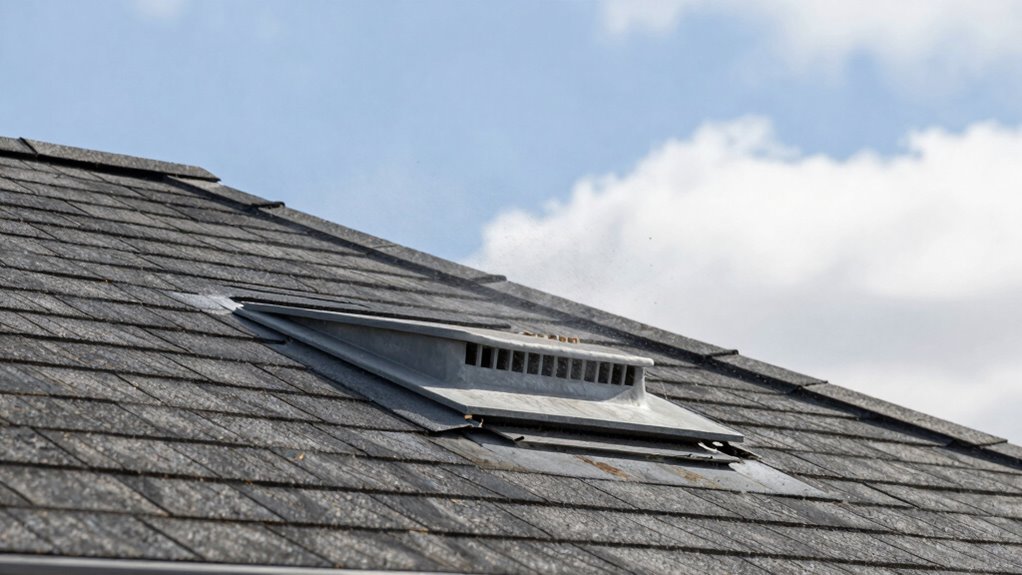

To stop the helicopter-like noise from your roof load, start by securely mounting your solar panels with aerodynamic, tight fittings to minimize turbulence. Verify gutters are clean, fixed, and sealed to prevent vibrations, and consider adding wind deflectors or fairings to better divert airflow. Shape your load with rounded edges and choose lightweight, streamlined materials. Small adjustments like tightening bolts or repositioning your load can make a big difference. For more tips on silent highway drives, continue exploring these solutions.
Key Takeaways
- Ensure solar panels are properly mounted with aerodynamic brackets to minimize turbulence and wind noise.
- Secure and tighten gutters to prevent flapping and reduce airflow-induced vibrations.
- Install wind deflectors or fairings to streamline airflow over roof loads and lessen helicopter-like sounds.
- Use rounded or tapered roof rack edges and lightweight materials to decrease wind resistance and noise.
- Remove unnecessary accessories and re-position loads to improve airflow and significantly cut down wind noise.

If you’ve noticed excessive wind noise while driving with a loaded roof rack, you’re not alone. That loud, helicopter-like sound can make your drives uncomfortable and distracting. The good news is, many of these noises come from how your roof load interacts with the airflow, and there are straightforward fixes. One common culprit is improperly mounted solar panels. If your solar panel mounting isn’t secure or streamlined, it can create turbulence that amplifies wind noise. Ensuring your solar panels are tightly and correctly installed helps minimize this issue. Using aerodynamic mounts or covers designed for solar panels can reduce drag and turbulence, lowering noise levels considerably.
Secure and streamline solar panels to reduce wind noise and improve driving comfort.
Another often-overlooked source of wind noise is gutter maintenance. When gutters aren’t properly cleaned or secured, they can flap or vibrate at highway speeds, adding to the helicopter sound. Regular gutter maintenance—removing debris, checking for loose brackets, and sealing gaps—can prevent these vibrations. Secure gutters don’t just improve your vehicle’s appearance; they also help preserve aerodynamics and reduce wind noise. If your gutters are sagging or damaged, replacing or repairing them can make a noticeable difference in how much wind noise you experience.
Beyond addressing mounting and gutter issues, consider the overall wind flow around your roof rack. Sometimes, adding wind deflectors or fairings can help streamline airflow. These accessories are designed to divert air smoothly over your load, diminishing the turbulence that causes that helicopter noise. When installing these, make sure they fit your specific vehicle and load setup to maximize their effectiveness.
You can also look into the shape and material of your roof rack and load. Rounded or tapered edges tend to produce less wind resistance and noise compared to sharp corners or bulky, flat surfaces. Lightweight, aerodynamic materials can further reduce wind drag. If your current setup is bulky or poorly shaped, replacing it with a more streamlined rack might be worth the investment.
Finally, remember that sometimes, simple adjustments make a big difference. Tightening loose bolts, repositioning your load, or even removing unnecessary accessories can reduce wind noise. Additionally, utilizing aerial flow techniques or accessories designed for aerodynamic efficiency can significantly improve airflow. By paying attention to how your roof load interacts with airflow—focusing on secure solar panel mounting and maintaining gutters—you’ll find that your drives become quieter and more comfortable. Small, deliberate changes can turn that loud helicopter sound into a distant hum, making your journeys more enjoyable.
Frequently Asked Questions
Can Roof Load Wind Noise Be Completely Eliminated?
You can’t completely eliminate roof load wind noise, but you can substantially reduce it. Use soundproofing materials like mass-loaded vinyl or acoustic foam to dampen the noise. Structural modifications, such as reinforcing the roof or adding insulation, also help. While total elimination is tough due to wind’s nature, combining these solutions minimizes the helicopter sound, creating a quieter, more comfortable space.
Does Vehicle Type Affect Wind Noise Severity?
Yes, your vehicle type impacts wind noise severity. Vehicles with better aerodynamics and sleek roof rack designs tend to produce less wind noise, while boxy or less aerodynamic models generate more. You can reduce noise by choosing a vehicle with streamlined design features and optimizing your roof rack setup. Generally, the shape and design of your vehicle directly influence how much wind noise you experience, making some cars inherently quieter than others.
Are Aftermarket Solutions More Effective Than Factory Fixes?
Aftermarket solutions often provide quicker and more customizable options, giving you benefits like tailored designs and immediate availability. However, factory fixes usually guarantee a perfect fit and reliable quality, backed by warranties. You’ll find that aftermarket benefits include affordability and versatility, but factory advantages ensure compatibility and durability. Depending on your needs, you might prefer aftermarket parts for a quick fix or factory solutions for long-term reliability.
How Long Do Wind Noise Fix Installations Typically Last?
Wind noise fix installations usually last between 3 to 5 years, depending on installation durability and climate conditions. To guarantee longevity, you should regularly inspect the seals and caulking for cracks or wear, and promptly address any issues. Follow maintenance tips like cleaning the seals and avoiding harsh chemicals to preserve their effectiveness. Proper installation and routine upkeep help extend the lifespan and keep wind noise minimized over time.
Is Professional Installation Necessary for Optimal Results?
Yes, professional installation is absolutely essential for the best results. You want a flawless sealant application that prevents leaks and guarantees vibration dampening, which minimizes that helicopter noise. DIY efforts often lead to gaps or improper sealing, making noise worse or causing damage over time. A professional installer guarantees precise work, perfectly tailored to your roof’s specifics, so you enjoy quiet, secure, and long-lasting wind noise fixes.
Conclusion
Now that you know how to reduce roof wind noise, you’ll enjoy a quieter drive. It’s ironic how something as simple as a seal or trim can transform your experience from a distracting helicopter whirl to peaceful silence. While fixing the noise might seem minor, it highlights how small changes can drastically improve comfort. Ultimately, addressing these issues shows that even the loudest problems often have simple, effective solutions—bringing calm where chaos once reigned.