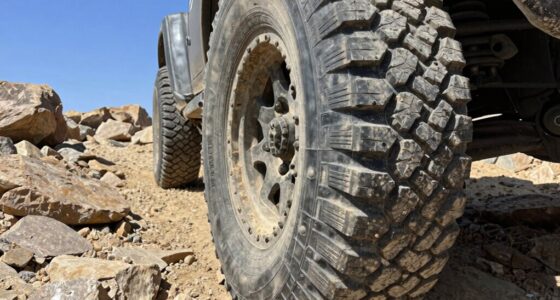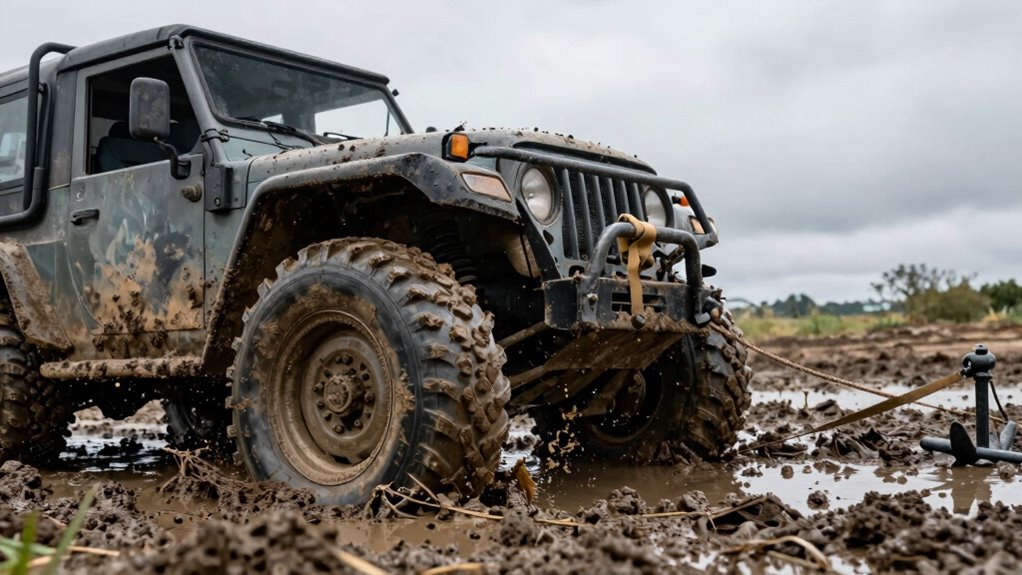

When your vehicle sinks in mud, the best move is to create a solid surface beneath the tires to stop you from digging deeper. Spread traction aids like rocks, gravel boards, or floor mats in front of the tires and then gently accelerate while steering side to side, helping the tires grip the new surface. This simple technique can be effective, and many more tips to recover safely are just ahead if you want to improve your mud rescue skills.
Key Takeaways
- Use a rocking motion by shifting between forward and reverse gears to build momentum gradually.
- Avoid spinning tires aggressively; instead, gently apply throttle to prevent digging deeper.
- Place traction aids like gravel boards or rocks under tires to improve grip and prevent further sinking.
- Shift to low gear and maintain steady throttle to maximize traction and control.
- Carefully evaluate the situation and consider recovery gear if simple techniques fail to stop digging.

Recovery in Mud
When you’ve been caught in muddy conditions, recovery can seem intimidating. The fear of sinking deeper or damaging your vehicle often makes you hesitate. But with the right approach, you can pull yourself out efficiently and avoid making the situation worse. The key lies in understanding traction techniques and maintaining your vehicle properly before hitting the trail. Proper vehicle maintenance, like checking tire pressure and ensuring your four-wheel drive system functions correctly, prepares you for tough conditions. When mud gets between your tires and the ground, it reduces grip, making it easier to get stuck. That’s why mastering traction techniques is essential. You want to focus on methods that maximize contact and grip, such as rocking the vehicle back and forth or gently adjusting your steering and throttle. Instead of flooring the pedal and spinning your tires wildly, which only digs you in deeper, try a controlled approach. Shift into low gear, and gently apply power while steering slightly side to side. This helps your tires grip the ground better and can create a momentum that gets you moving again without digging further. Always start by evaluating your situation; if you notice your tires are spinning freely without traction, avoid aggressive acceleration. Instead, use a gentle, rhythmic rocking motion—forward, then back—until enough momentum is built to move you out of the mud. If you’re stuck, consider using traction aids like gravel boards, floor mats, or even rocks placed strategically under the tires to increase grip. These tools work as part of your traction techniques to give your tires a solid surface to push against. Remember, consistent vehicle maintenance plays a critical role here. Well-maintained tires with proper tread depth are essential for peak traction. Also, check that your vehicle’s differential locks and tires are in good condition; neglecting these can severely reduce your chances of recovery. When in doubt, avoid spinning your tires at full throttle, which only heats up the rubber and wears it down faster. Instead, focus on gentle, deliberate movements that help build momentum. Once you’ve gained some traction, keep your speed steady and avoid sudden turns or braking, which can cause you to lose grip again. Additionally, using traction aids like gravel boards or rocks can greatly improve your chances of success. If you’re still stuck after trying these traction techniques, don’t hesitate to call for assistance or use recovery gear like winches or tow straps. But most importantly, stay calm and patient. With the right traction techniques and a solid vehicle maintenance routine, you’ll improve your chances of escaping muddy traps without digging yourself deeper.
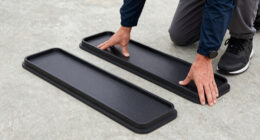
vehicle traction mats for mud recovery
As an affiliate, we earn on qualifying purchases.
As an affiliate, we earn on qualifying purchases.
Frequently Asked Questions
How Often Should I Practice Recovery Techniques in Muddy Conditions?
You should practice recovery techniques in muddy terrain regularly, ideally every few weeks, to build confidence and muscle memory. Consistent recovery frequency guarantees you’re prepared for unpredictable conditions and can prevent you from digging deeper when stuck. Incorporate recovery drills into your training sessions, especially before tackling challenging muddy terrain, so you develop quick, effective responses that keep you moving forward instead of getting bogged down.
What Gear Is Essential for Mud Recovery?
You need essential recovery gear like a sturdy tow strap, a winch, and a shovel to handle mud. Lowering your tire pressure improves traction, making recovery easier. Research shows proper gear and tire management markedly reduce stuck times. Always carry a reliable set of recovery gear, including a tire deflator for mud, so you’re prepared to free yourself quickly and safely without digging deeper into the mess.
Can Recovery in Mud Damage My Vehicle?
Recovery in mud can potentially cause vehicle damage if you’re not careful, especially in muddy terrain. You might strain the suspension, damage the drivetrain, or worsen the situation if you force it without proper techniques. Always use appropriate recovery gear, work slowly, and avoid sudden jerks. Properly evaluating the mud’s depth and consistency helps prevent damage, ensuring your vehicle stays safe while you get out of tricky muddy terrain.
Are There Specific Techniques for Different Types of Mud?
Yes, there are specific techniques for different types of mud. When dealing with muddy terrain, you should adjust your approach based on the mud’s consistency and your vehicle’s traction. For sticky, thick mud, try rocking your vehicle back and forth gently to gain momentum. In slippery, watery mud, focus on maintaining steady throttle and avoid spinning your tires excessively, which can worsen your vehicle’s traction and cause further digging.
How Can I Prevent Getting Stuck in Mud in the First Place?
To prevent getting stuck in muddy terrain, you should assess the ground before driving and avoid areas with soft, wet soil. Use tires with good traction and reduce your speed to maintain control. Keep your vehicle’s weight balanced and avoid sudden acceleration or braking. If possible, carry traction aids like mats or boards. These steps help maintain vehicle traction and keep you moving forward, avoiding the trap of getting stuck.
off-road gravel boards for car recovery
As an affiliate, we earn on qualifying purchases.
As an affiliate, we earn on qualifying purchases.
Conclusion
So, next time you find yourself stuck in mud, remember that one move could be your saving grace. It’s simple, but its impact is profound—yet, it’s easy to overlook. Will you make the right choice before you sink even deeper? Don’t wait until it’s too late. Stay alert, stay prepared, and trust that one quick action might just be your only chance to escape. The outcome is in your hands—will you seize it?
car recovery traction aids
As an affiliate, we earn on qualifying purchases.
As an affiliate, we earn on qualifying purchases.
mud recovery kit for vehicles
As an affiliate, we earn on qualifying purchases.
As an affiliate, we earn on qualifying purchases.