
Using impact sockets with incompatible chrome sockets can cause sudden failure, leading to shattering or cracking under high stress. When impact sockets break, sharp fragments can fly at high speed, risking serious injuries. Impact sockets are made from tough, impact-resistant materials, unlike chrome sockets, which are softer and more likely to break. Understanding how material differences affect safety helps prevent accidents—keep going to learn more about protecting yourself during these tools’ use.
Listen free for 30 days with Audible
Thousands of audiobooks and originals — cancel anytime.
As an affiliate, we earn on qualifying purchases.
Key Takeaways
- Impact sockets are made from durable chrome-molybdenum steel, designed to withstand high torque, reducing the risk of failure and injury.
- Using non-impact-rated chrome sockets with impact wrenches can cause cracking or shattering, leading to dangerous flying fragments.
- Socket failure often results from material fatigue or improper use, which can cause sudden breakage and potential injury.
- Proper inspection, rated tools, and safety gear are essential to prevent accidents caused by socket failure.
- Understanding material properties helps ensure the correct socket is used, minimizing the risk of catastrophic failure and injuries.
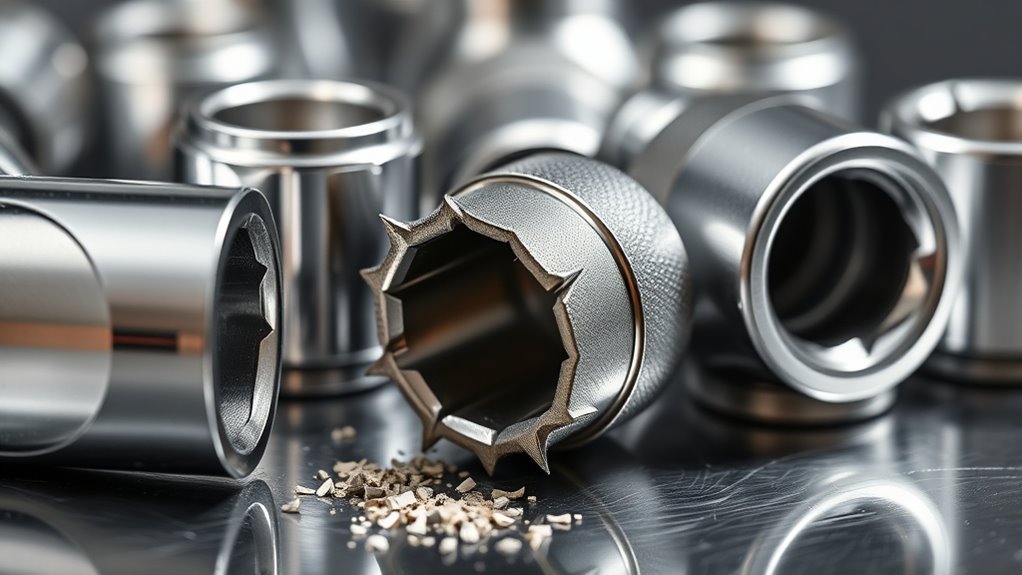
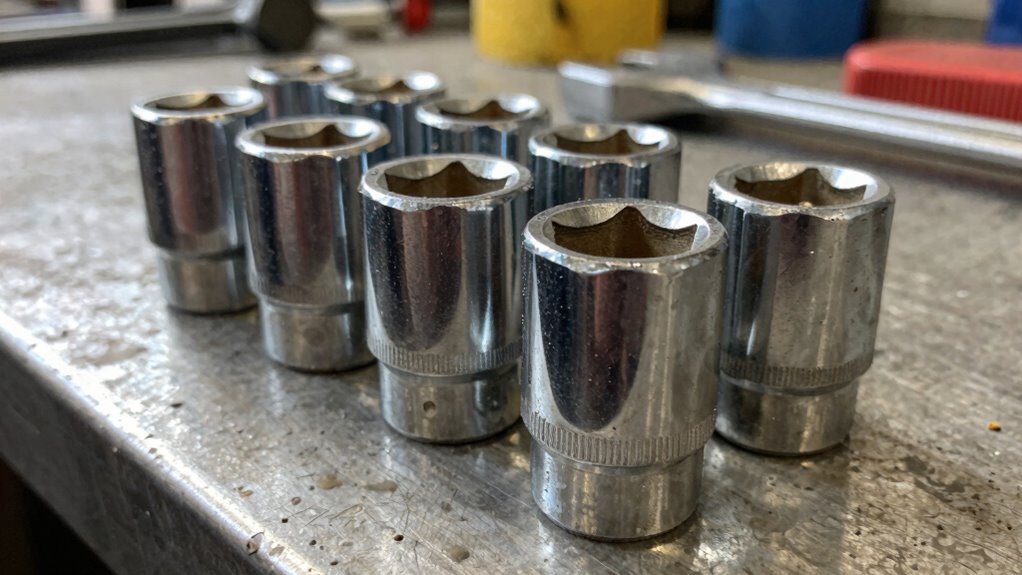
When choosing between impact sockets and chrome sockets, understanding their differences is essential for guaranteeing you select the right tool for your tasks. Impact sockets are designed to withstand high torque levels and are typically made from more durable materials, like chrome-molybdenum steel, which offers enhanced material durability. Chrome sockets, on the other hand, are usually crafted from softer chrome-plated steel, making them ideal for lighter work but less suitable for heavy-duty applications. Recognizing these distinctions helps you avoid potential safety hazards that stem from improper tool use.
One critical safety precaution when working with either socket type is to guarantee they are properly rated for your specific application. Impact sockets are built to handle the high torque generated by impact wrenches, but using a chrome socket in such scenarios can lead to failure. Material durability plays a crucial role here; impact sockets are engineered to resist chipping, cracking, or shattering under stress, reducing the risk of injury. Conversely, chrome sockets, while resistant to corrosion and offering a smooth finish, lack the toughness needed for impact tools and can break or deform if subjected to excessive force.
The failure mode that most often causes injuries involves the sudden shattering or cracking of the socket during use. When a socket fails, fragments can fly off at high velocity, posing a serious threat to your eyes and face. This risk is heightened if you ignore safety precautions like wearing eye protection and gloves or if you use improper tools for the task. Additionally, using a socket that isn’t compatible with your wrench or impact tool can lead to slipping or stripping, which might cause sudden tool failure and injury. Always verify that your impact sockets are rated for impact use and that they are compatible with your tools, and never force a socket onto a fastener beyond its capacity. Proper training and awareness of material properties can further reduce the likelihood of accidents during tool operation.
Frequently Asked Questions
Can Impact Sockets Be Used With Regular Hand Tools?
Yes, impact sockets can be used with regular hand tools, but it’s not recommended due to differences in socket material and hand tool compatibility. Impact sockets are made from tough, impact-rated materials designed for power tools, while regular hand tools require standard chrome sockets. Using impact sockets with hand tools may damage the socket or reduce safety, so always match the socket material to your tool type for best performance.
Are Chrome Sockets Suitable for Heavy-Duty Industrial Use?
Chrome sockets aren’t ideal for heavy-duty industrial use, as they may not withstand the rigors. You need to focus on material compatibility and corrosion resistance; impact sockets are designed for that. Think of it like a well-oiled machine—using the right tool for the job keeps everything running smoothly. So, for tough jobs, opt for impact sockets, not chrome ones, to avoid wear and potential failure.
How Often Should Impact Sockets Be Replaced for Safety?
You should replace impact sockets every 2 to 3 years or sooner if you notice cracks, wear, or damage. The socket material, typically chrome or impact-grade alloy, influences its durability and replacement frequency. Regular inspection is essential to guarantee safety, especially after heavy use or impacts. Using damaged sockets increases the risk of failure and injury, so prioritize timely replacements to maintain safety during your work.
What Are the Signs of Socket Failure During Use?
If you notice socket cracking during use or see signs of wear, stop immediately. Regular lubricant inspection helps identify early failure signs, like excessive wear or rust, which can weaken the socket. Don’t ignore these signs, as continued use may cause sudden failure, risking injury. Replace the socket if cracking appears or if lubricant inspection reveals deterioration, ensuring your safety during future tasks.
Do Impact Sockets Require Special Storage Conditions?
Think of impact sockets as delicate plants needing just the right climate. You should store impact sockets in a dry, cool place away from moisture and extreme temperatures. Proper storage precautions prevent rust and corrosion, ensuring longevity. Regular impact socket maintenance, like cleaning and inspecting for cracks, keeps them ready for action. By treating your impact sockets with care, you avoid unexpected failures and extend their lifespan, keeping your work safe and efficient.
Conclusion
Imagine tightening a bolt with the wrong socket — like trying to fix a ship with a spoon. Using the wrong impact socket can shatter unexpectedly, hurting you and damaging your tools. Over 60% of socket failures involve impact sockets, often unnoticed until it’s too late. Always choose the right socket for the job, and remember: safety isn’t just about tools, it’s about protecting yourself from hidden dangers lurking in everyday tasks.
NFL season / tailgating Picks
team gear
As an affiliate, we earn on qualifying purchases.