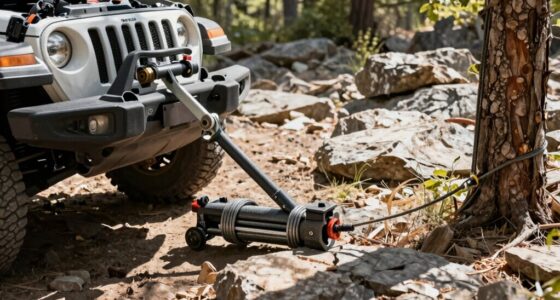
You can stop excessive digging by using hydraulic extraction techniques, which safely loosen and lift stubborn mud with pressurized fluids. This method is efficient, adjustable, and minimizes damage to surrounding structures, helping you recover valuable materials conveniently. Surface stabilization afterward, like applying binders or geotextiles, keeps the ground secure and prevents erosion. By combining these strategies, you’ll maintain site safety and efficiency. Keep going to discover how these methods work together seamlessly.

Get business pricing on garage and car supplies
- Business-only prices and quantity discounts
- Tax-exempt purchasing
- Multiple users, one account, clear invoices
Key Takeaways
- Hydraulic extraction safely removes mud using pressurized fluids, preventing damage to surrounding structures.
- Surface stabilization techniques, like binders and geotextiles, maintain ground integrity post-extraction.
- Assessing site conditions ensures proper extraction levels, avoiding ground weakening or collapse.
- Combining hydraulic methods with stabilization strategies stops ongoing mud buildup effectively.
- Proper safety, environmental practices, and recycling minimize waste and promote sustainable mud recovery.
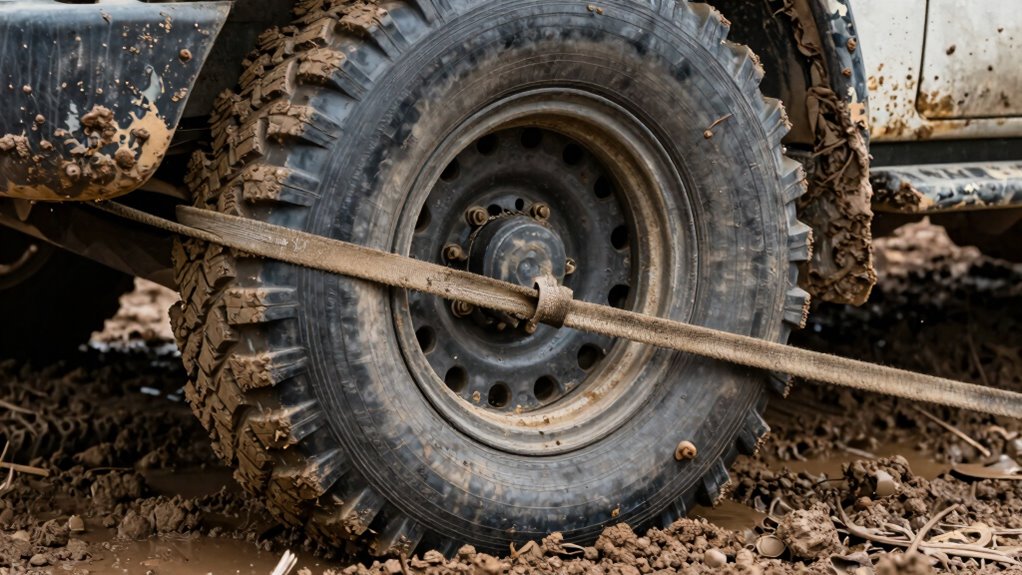
Have you ever wondered how to effectively recover mud after drilling or excavation? It’s a crucial aspect of maintaining site safety, reducing costs, and minimizing environmental impact. The process often involves hydraulic extraction, a technique that uses pressurized fluids to loosen and lift mud from the work area. This method allows you to efficiently remove excess material without damaging surrounding structures or disrupting ongoing operations. By applying hydraulic pressure, you can break up compacted mud, making it easier to extract and recycle, which ultimately keeps your project moving smoothly. Additionally, understanding site conditions such as soil type and moisture levels can significantly improve the effectiveness of your recovery efforts.
Surface stabilization plays a essential role in mud recovery, especially when working in unstable or sensitive environments. Once the mud is extracted, stabilizing the surface ensures that the ground remains firm and safe for continued work. Techniques like spraying the area with binders or using geotextile fabrics help prevent further erosion or collapse. Stabilization not only preserves the integrity of the excavation site but also reduces the risk of soil contamination or subsidence that could delay your project. When combined with hydraulic extraction, surface stabilization creates a thorough approach that addresses both removal and site safety.
To implement these techniques effectively, you need to assess the specific conditions of your site. Consider the type of soil, the extent of mud accumulation, and environmental factors such as moisture content and weather. Using hydraulic extraction equipment with adjustable pressure settings allows you to tailor the process to your needs, avoiding over-extraction that could weaken the ground or under-extraction that leaves behind problematic residues. Simultaneously, applying surface stabilization measures ensures the remaining ground can support ongoing activities without erosion or collapse.
Throughout the process, safety remains a top priority. Properly trained personnel should operate hydraulic systems to prevent accidents and ensure maximum recovery. Regularly inspecting the site during extraction helps identify potential hazards early. Additionally, maintaining a clean workspace by recycling recovered mud minimizes waste and environmental impact, aligning with sustainable practices. Combining hydraulic extraction with surface stabilization not only improves efficiency but also promotes responsible management of resources and site safety.
In essence, mastering mud recovery involves a strategic integration of hydraulic techniques and stabilization methods. This move stops digging from becoming an endless, costly cycle, enabling you to recover valuable materials and protect the site for future use. When executed correctly, these practices provide a clean, safe, and efficient solution to manage mud in excavation and drilling projects.
hydraulic mud extraction equipment
As an affiliate, we earn on qualifying purchases.
As an affiliate, we earn on qualifying purchases.
Frequently Asked Questions
What Types of Vehicles Are Suitable for Mud Recovery?
You should use sturdy vehicles like trucks or recovery vans for mud recovery. When applying towing techniques, guarantee your vehicle is prepared with proper recovery gear like tow straps and winches. Check your vehicle’s ground clearance and weight capacity beforehand to prevent further sinking or damage. Using the right vehicle and proper preparation helps you execute effective mud recovery, making the process safer and more efficient.
How Long Does a Typical Mud Recovery Process Take?
A typical mud recovery process takes anywhere from 30 minutes to a few hours, depending on the severity of the situation. You’ll use mud recovery techniques like placing traction mats or rocks and employing vehicle traction strategies to regain control. Your goal is to gradually free the vehicle without causing further damage. Patience and careful application of these methods guarantee a successful recovery while minimizing risk for you and your vehicle.
Are There Any Safety Precautions to Consider During Recovery?
Yes, you should always wear safety gear like gloves, goggles, and a helmet during recovery to protect yourself. Before starting, do a thorough risk evaluation to identify potential hazards, such as unstable ground or equipment failure. Keep communication devices handy, and never work alone. By prioritizing safety gear and evaluating risks, you reduce the chance of injury and ensure a safer recovery process.
Can Mud Recovery Be Performed in All Weather Conditions?
Mud recovery isn’t ideal in all weather conditions. Weather impact, especially heavy rain or freezing temperatures, can complicate the process and make it unsafe or less effective. Seasonal challenges like snow or extreme heat also affect your ability to recover mud efficiently. You should assess current weather conditions before attempting recovery, ensuring the ground isn’t too slippery, frozen, or overly dry, which could hinder your efforts or cause safety issues.
What Tools Are Essential for Effective Mud Recovery?
For effective mud recovery, you need essential tools like recovery gear, including tow straps, shackles, and a winch. Mud stabilizers, such as mats or boards, help distribute weight and prevent further sinking. Always carry a recovery kit with gloves, a shovel, and a snatch block. These tools guarantee you can efficiently extract your vehicle, minimize damage, and safely navigate muddy terrains during recovery efforts.
geotextile fabric for soil stabilization
As an affiliate, we earn on qualifying purchases.
As an affiliate, we earn on qualifying purchases.
Conclusion
Next time you find yourself stuck in muddy waters, remember this simple move. Picture yourself steadying your boat as the murky current threatens to pull you under, and with a firm, calculated tug, you break free. Mud recovery isn’t just about the technique; it’s about staying calm and confident when the sludge tries to swallow you whole. With this knowledge, you’ll glide smoothly back to solid ground, leaving the mud behind and moving forward with confidence.
soil binders for erosion control
As an affiliate, we earn on qualifying purchases.
As an affiliate, we earn on qualifying purchases.
mud recovery and recycling tools
As an affiliate, we earn on qualifying purchases.
As an affiliate, we earn on qualifying purchases.
Fall Picks
fall essentials
As an affiliate, we earn on qualifying purchases.