
To operate your winch safely, always inspect cables, hooks, and fittings for damage before use, and never exceed the rated capacity. Keep clear of loads and communicate clearly with nearby personnel. Regularly maintain and lubricate parts, and understand all controls and safety features. Use proper gear and attachments, and avoid shortcuts that compromise safety. Staying vigilant and following these practices will help prevent accidents, and there’s more to learn if you keep exploring this guide.

Get business pricing on garage and car supplies
- Business-only prices and quantity discounts
- Tax-exempt purchasing
- Multiple users, one account, clear invoices
Key Takeaways
- Conduct thorough pre-operation inspections of cables, hooks, and equipment to prevent failures during use.
- Maintain clear communication and establish emergency procedures before operating the winch.
- Never exceed the winch’s rated capacity or bypass safety features for efficiency.
- Regularly perform maintenance, including cleaning, lubrication, and checking for corrosion or damage.
- Ensure all operators are trained, familiar with controls, and practice safe load management with a spotter.
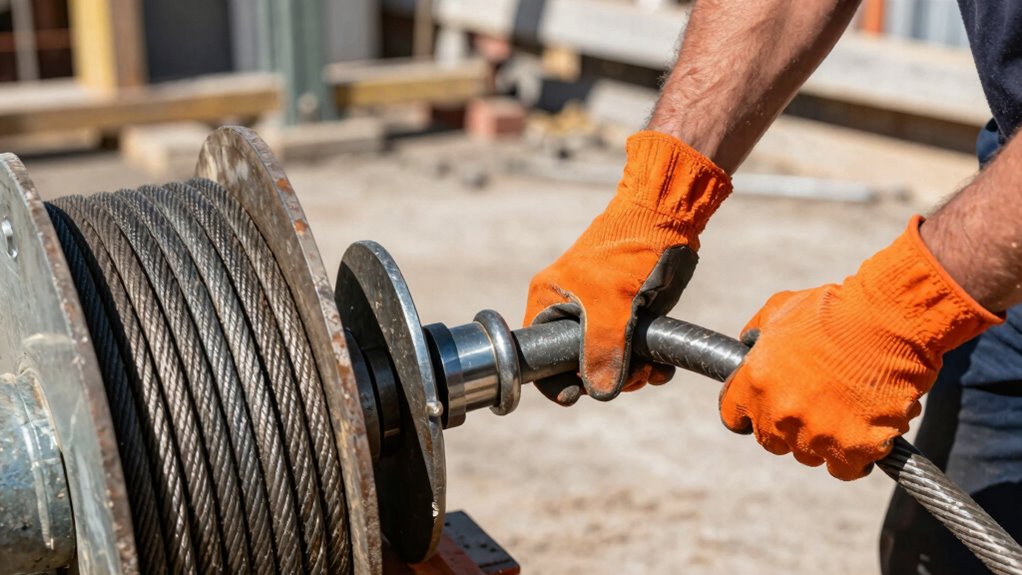
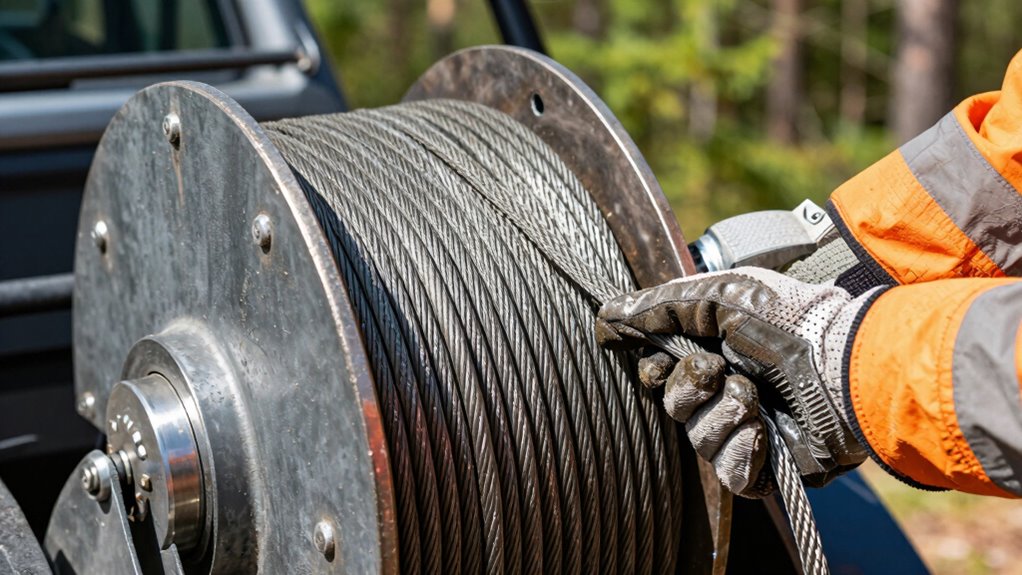
Using a winch can be incredibly helpful for lifting or pulling heavy loads, but safety should always come first. When you’re operating a winch, understanding emergency procedures is essential. Always inspect your gear before use, checking for frayed cables, damaged hooks, or loose fittings. If something looks worn or compromised, don’t take the risk—replace or repair it immediately. In case of an emergency, such as cable snapping or an unexpected load shift, knowing what steps to take can prevent injuries. Keep clear of the load’s path, and never stand directly under or in line with a suspended load. Familiarize yourself with your equipment’s emergency shut-off features so you can quickly stop the winch if something goes wrong. Having a communication plan with others nearby ensures everyone knows what to do in an emergency, reducing chaos and confusion. Regularly practicing safety protocols enhances your emergency preparedness and response times. Proper equipment maintenance is another essential aspect of safe winch operation. Regularly scheduled checks and maintenance keep your winch in top condition and reduce the likelihood of failure. Keep the cable clean and lubricated, and replace it when it shows signs of wear. Check the drum, gears, and motor for any signs of damage or corrosion, and tighten bolts and fittings as needed. Proper maintenance extends the lifespan of your equipment and guarantees reliable performance when you need it most. Always follow the manufacturer’s guidelines for maintenance routines and safety checks. Using the correct accessories and load-rated gear also helps prevent accidents. Never overload the winch beyond its capacity, and always use appropriate anchors and attachment points. Additionally, understanding load limits can help prevent equipment failure and accidents. Being familiar with common winch safety practices can further reduce risks during operation. Training and familiarity with your gear are equally important. Make sure you understand how to operate all controls and safety features properly. Practice using the winch in a controlled environment to build confidence and ensure you’re comfortable with emergency procedures. Never bypass safety features or take shortcuts, as doing so can lead to dangerous situations. When handling heavy loads, always have a spotter or assistant nearby to guide you and provide extra safety. It’s also beneficial to review manufacturer instructions regularly, as they contain crucial safety information specific to your equipment. Remember, your awareness and adherence to safety protocols—covering both emergency procedures and equipment maintenance—are your best defense against accidents. By staying vigilant and proactive, you protect yourself and others, making every winch operation safer and more efficient.
As an affiliate, we earn on qualifying purchases.
Frequently Asked Questions
How Often Should I Inspect My Winch for Safety?
You should inspect your winch for safety before each use to guarantee proper functioning and prevent accidents. Regular winch maintenance includes checking cables, hooks, and connections for wear or damage. Always follow safety precautions by testing the winch’s operation in a controlled environment. Frequent inspections help catch issues early, maintaining safe operation and extending the lifespan of your gear. Remember, consistent safety checks are essential for reliable and secure winching.
What Are Common Signs of Winch Wear or Damage?
Imagine your winch humming smoothly, then notice any frayed wires, rust spots, or cracked gears—these are signs of wear or damage. You might feel slack in the cable or see corrosion on the drum. Regular winch maintenance helps catch issues early, ensuring safety precautions are met. If you notice these signs, stop use immediately and inspect thoroughly. Staying vigilant keeps your gear reliable and your work safe.
Can I Use a Winch for Lifting Heavy Loads?
Yes, you can use a winch for lifting heavy loads, but only within its specified capacity. Check the winch capacity to verify it matches or exceeds the weight you’re lifting. Proper load distribution is essential to prevent accidents or damage. Never overload the winch, and always follow safety guidelines to maintain control and stability during lifting. Using the right size and technique protects you and your equipment.
What Personal Protective Equipment Is Recommended During Winching?
You should always wear personal protective equipment during winching to stay safe. When handling winch maintenance or operating, gear up with gloves, safety glasses, and a helmet to protect against unexpected snaps or debris. Safety accessories like ear protection and steel-toed boots also help prevent injuries. Coincidentally, these items keep you safe whether you’re setting up the winch or troubleshooting, ensuring you stay secure during every step.
How Do I Safely Store My Winch When Not in Use?
To safely store your winch, start with proper winch maintenance—clean it thoroughly and inspect for damage. Use storage tips like keeping it in a dry, cool place away from moisture and direct sunlight. Make sure the winch is disconnected from power and the cable is spooled neatly to prevent tangles. Cover it with a protective cover to avoid dust and debris, ensuring it stays in good condition for your next project.
As an affiliate, we earn on qualifying purchases.
Conclusion
Remember, your winch is a trusted ally, not a wild stallion to be tamed recklessly. Treat it with respect, follow safety steps, and stay alert—like a seasoned rider guiding a powerful steed. When you respect its strength, you keep yourself and others safe, turning a potentially risky adventure into a smooth, controlled ride. With proper care, your gear becomes a reliable partner, ready to conquer challenges and keep safety your number one priority.
As an affiliate, we earn on qualifying purchases.
As an affiliate, we earn on qualifying purchases.
Fall Picks
fall essentials
As an affiliate, we earn on qualifying purchases.